
In short: A Finnish sauna heats the air to around 80°C. An infrared sauna warms your body more directly at a gentler 45–60°C. Vietnamese xông lá is a herbal steam folk remedy. The best long-term data comes from Finnish sauna, but it is observational. Infrared research is small. Xông lá is a cultural tradition, not a tested treatment.
This guide was written by the team at Ōmni Space in Thảo Điền. We opened Vietnam’s first float centre (Float Vietnam, Hanoi, 2017), and we look at every wellness trend through one question: what does this do for the nervous system, and how strong is the evidence? Sauna is everywhere in Saigon right now, from social clubs to gyms to the herbal steam pot your grandmother used when you had a cold. Here is what each one is, what the research really says, and how to use heat safely.
Three kinds of heat: how each one works
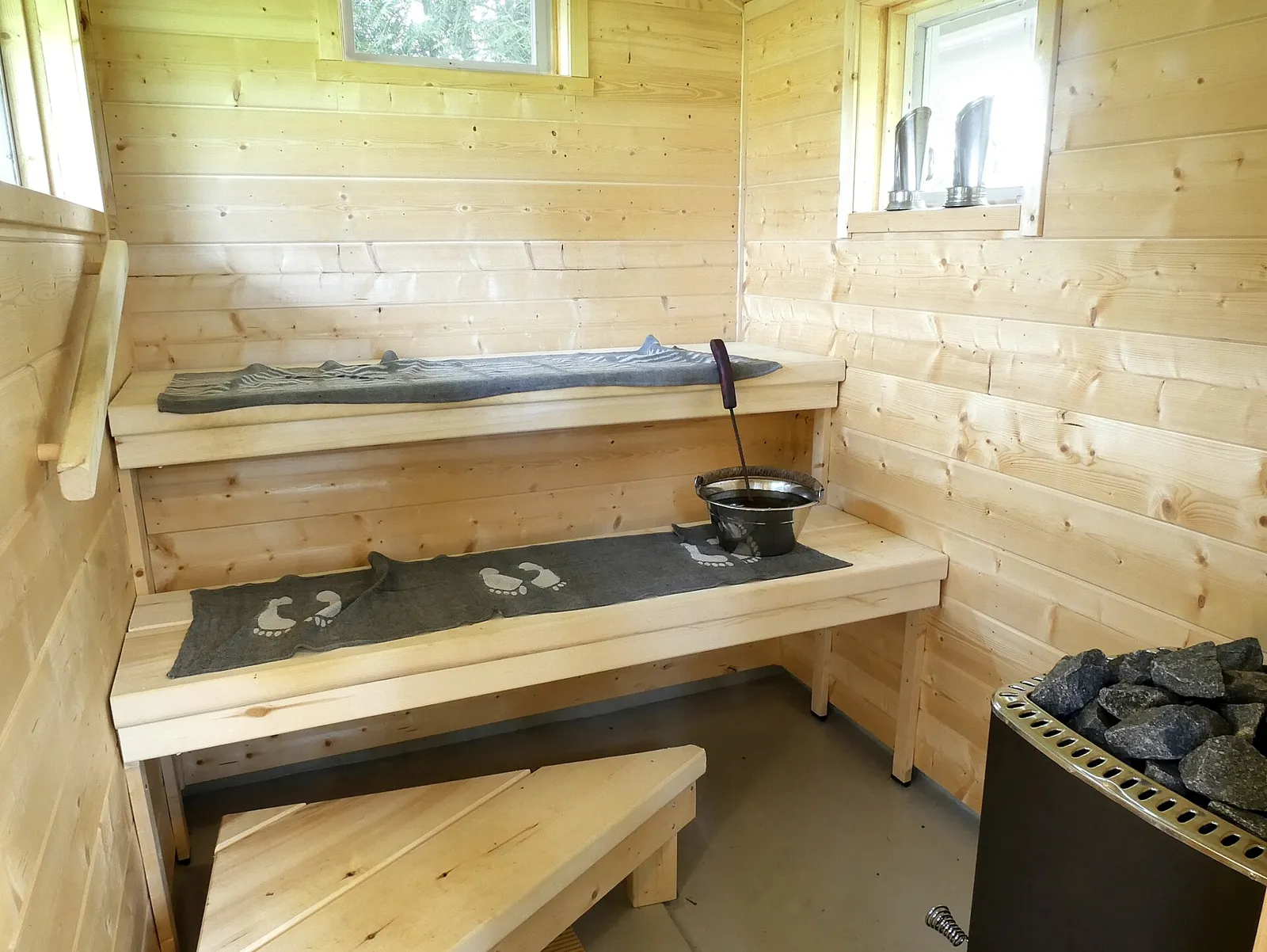
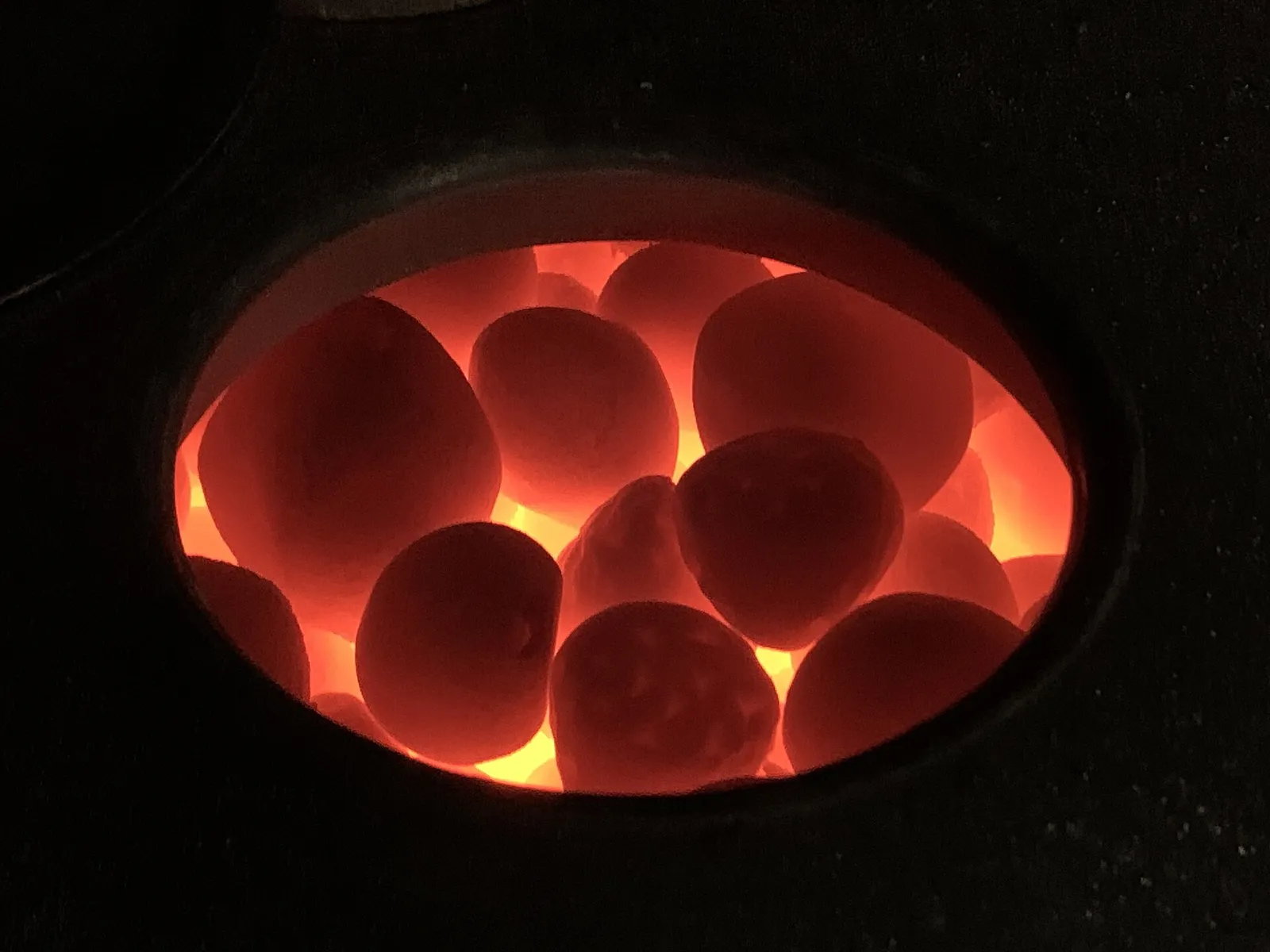
Finnish (traditional) sauna. A stove heats the air and the walls of a wooden room. In the large Finnish studies, sauna sessions were at about 80°C. Saigon venues that use hot stones list similar temperatures, around 80–90°C. Some sessions add water to the stones to make a burst of steam. A guided version of this, with towel waving and scents, is called Aufguss.
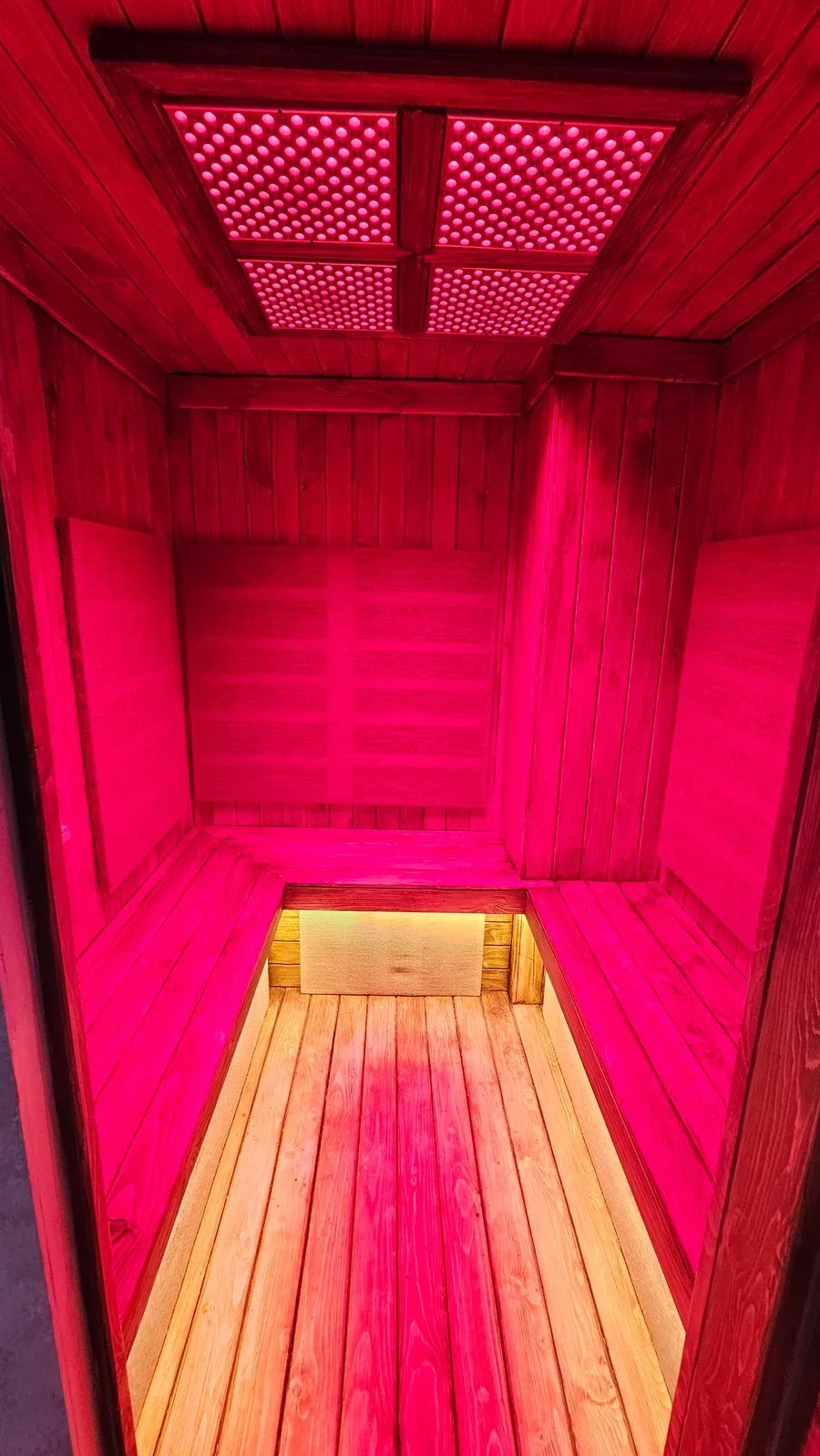
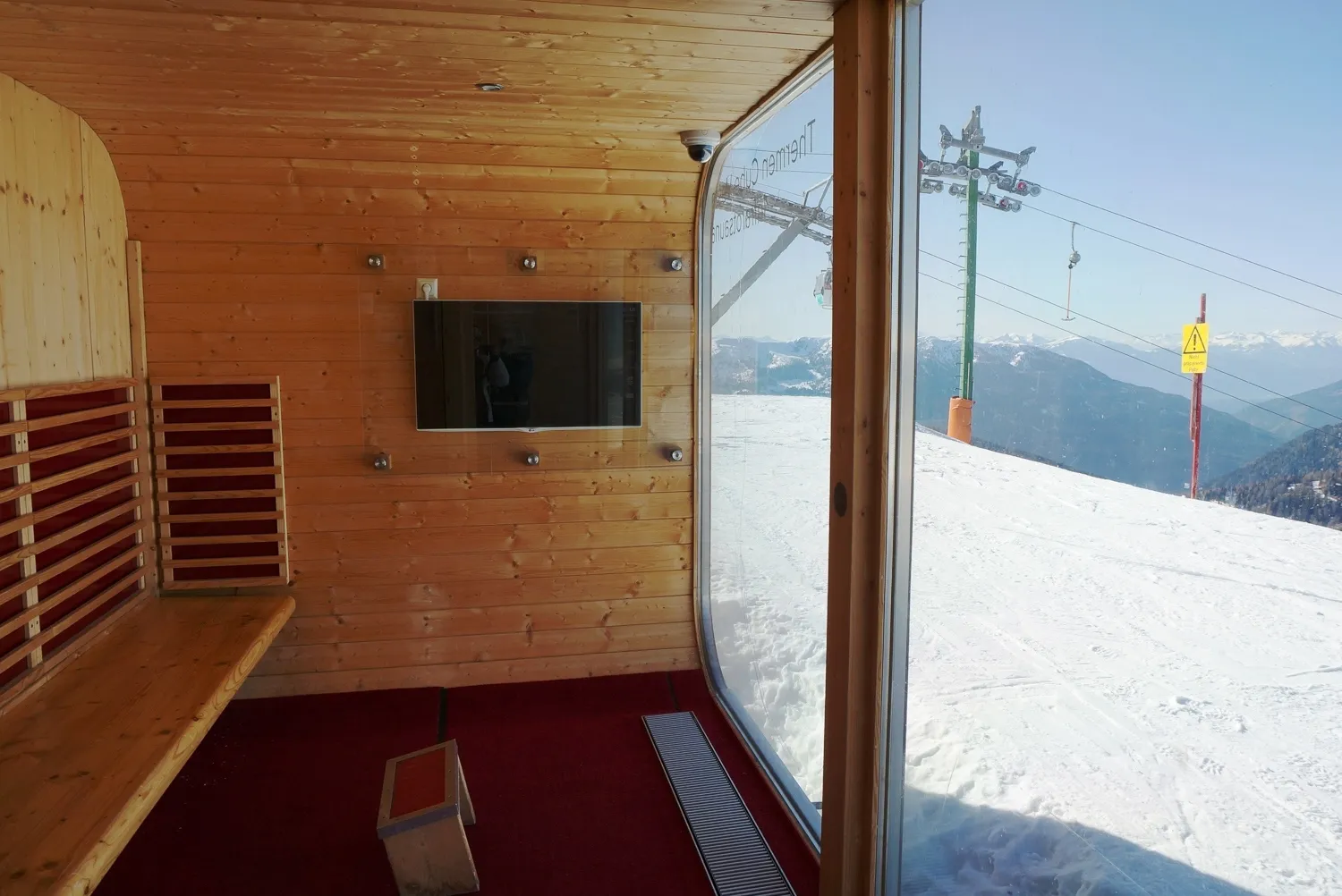
Infrared sauna. Instead of heating all the air, infrared panels warm your skin and body more directly. The air stays much cooler. The Japanese “Waon” research used a dry far-infrared sauna at 60°C. Our own infrared and red-light sauna runs at 45–55°C. Many people who find a hot Finnish room too intense feel more comfortable here, which makes it a gentle place to start.
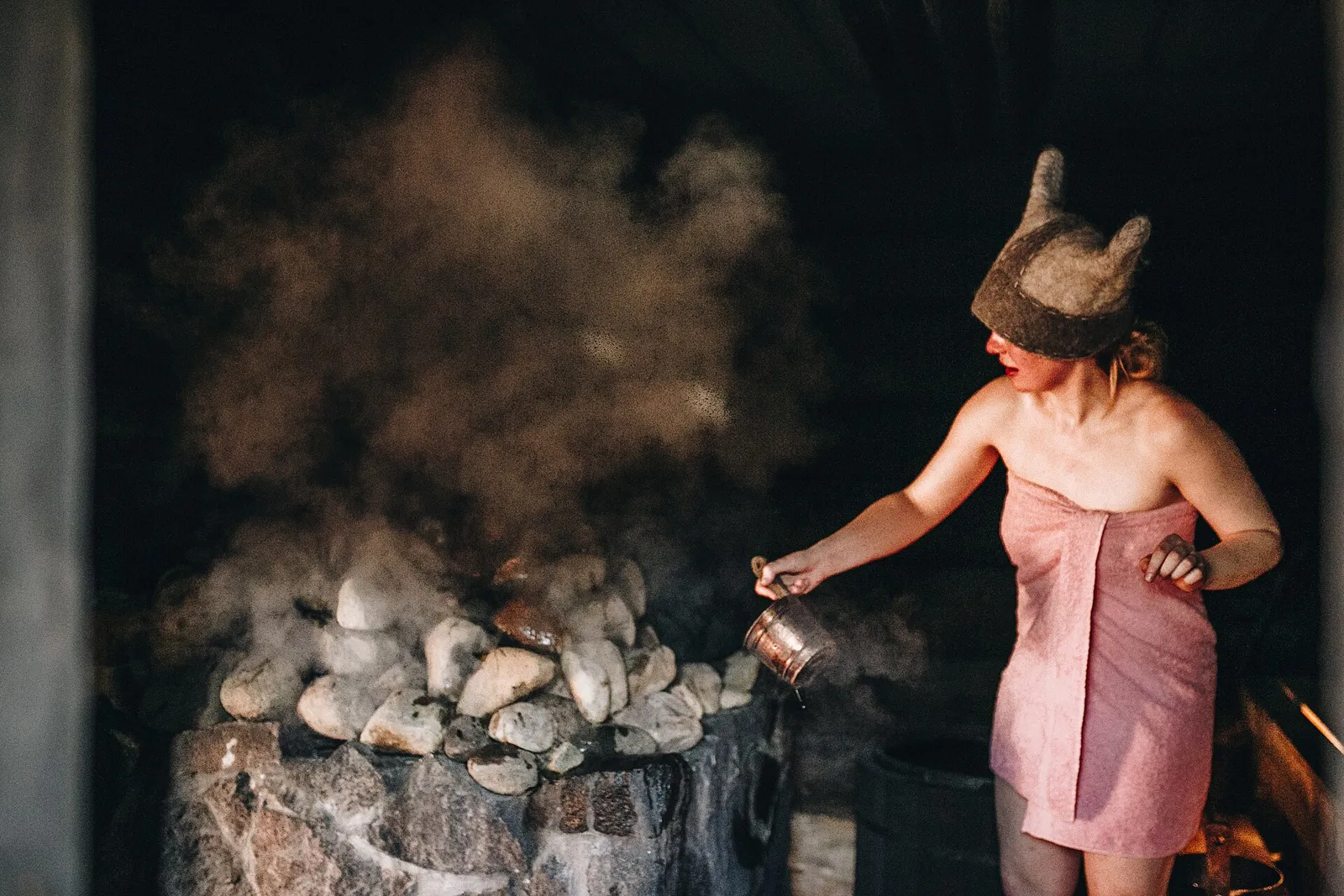
Vietnamese herbal steam (xông lá, xông hơi). This is the classic home remedy for a cold. Leaves are boiled in a pot, and you sit under a blanket or towel to breathe the steam and sweat. Common leaves include lemongrass (sả), lime (chanh), pomelo (bưởi), perilla (tía tô), eucalyptus (khuynh diệp) and ginger. Traditional medicine explains it with the saying “thông bất thống, thống bất thông”: where flow is open there is no pain, and where it is blocked there is pain. Vietnamese health guides suggest 15–20 minutes, two or three times a week.
What the research shows on Finnish sauna
Most of the headlines you have seen come from one long project in eastern Finland, the KIHD study led by Jari Laukkanen. In a 2015 paper in JAMA Internal Medicine, the team followed 2,315 men aged 42 to 60 for a median of about 20.7 years. Their first check-ups were between 1984 and 1989.
- Compared with men who used the sauna once a week, men who went 2–3 times a week had a 22% lower risk of sudden cardiac death. Men who went 4–7 times a week had a 63% lower risk.
- For death from coronary heart disease, the lower risks were 23% and 48%.
- A later paper from the same group (Age and Ageing, 2016) found men who went 4–7 times a week had 66% less dementia and 65% less Alzheimer’s disease than once-a-week users.
- A 2017 study of 1,621 men from the same cohort linked 4–7 sessions a week with less high blood pressure. For 2–3 sessions a week, the result was not statistically significant.
These are striking numbers, so the limits matter. This was an observational study. It shows a link, not cause and effect. Men who can sauna most days may differ in health, work or lifestyle in ways the study could not fully measure. Everyone was a middle-aged Finnish man, so we do not know if the same holds for women, younger people or people in Vietnam. An editorial published alongside the 2015 paper noted that the reason for the link is still unclear. And the sauna was a traditional Finnish sauna at about 80°C, not infrared. These numbers should not be applied to infrared sessions at 45–55°C, including ours.
Ōmni Evidence Scale: Promising. A large cohort with 20 years of follow-up shows consistent links to heart health, but it is observational and only in Finnish men.
What the research shows on infrared sauna
Infrared research is smaller and more clinical. Much of it comes from Japan, where doctors use “Waon therapy” for people with heart failure. A session is 15 minutes in a dry far-infrared sauna at 60°C, then 30 minutes resting under a blanket.
- The WAON-CHF trial (Circulation Journal, 2016) compared 76 people with severe heart failure who had Waon therapy against 73 who did not. Symptom class, six-minute walking distance and heart size on X-ray improved. A blood marker of heart strain (BNP) did not change significantly. There were no serious side effects.
- A 2018 systematic review on sauna and heart failure searched for both infrared and Finnish studies, but only infrared studies met its criteria. Across seven studies, results looked positive, but the strength of evidence ranged from “moderate” to “insufficient”.
We found no study comparing infrared and Finnish sauna head to head. In 2018, Western Sydney University published a piece making the same point: infrared is not proven to be healthier than a traditional sauna. So the honest claim is modest. Infrared is a milder, more comfortable form of heat. It is not “better”. If you want the details of how ours works, see our infrared sauna page.
Ōmni Evidence Scale: Early evidence. Small trials, mostly in people with heart failure, show some benefits, but there is little research in healthy adults.
Contrast therapy: hot, then cold
Contrast therapy means moving between heat and cold, for example a sauna and then a cold plunge. It is the heart of the new social sauna culture. Many people simply love the feeling: the deep warmth, the sharp wake-up of cold, then a calm, quiet body afterwards.
The research is thinner than the trend. A 2013 meta-analysis in PLoS ONE (Bieuzen and colleagues) pooled 18 trials on contrast water therapy after exercise. Every one of them had a high risk of bias. Contrast therapy reduced muscle soreness and loss of strength better than doing nothing. But it was not better than cold water alone, warm water, compression or stretching.
A small 2021 study of Danish winter swimmers (Søberg and colleagues) found that 7 of the 8 swimmers also used the sauna. The senior author suggested that combining cold and sauna might help the body burn more energy. That is an idea to test, not a finding. Our ice bath and Wim Hof guide covers the cold side in more depth.
Ōmni Evidence Scale: Early evidence. It helps soreness more than resting, but the trials are weak and it does not beat cold water alone.
Xông lá: a tradition worth respecting, honestly
For many Vietnamese families, xông lá is the first “sauna” they ever knew. It is a ritual of care: someone boils the leaves, wraps you up, and tells you to sweat it out. That warmth and attention are real, and so is the comfort.
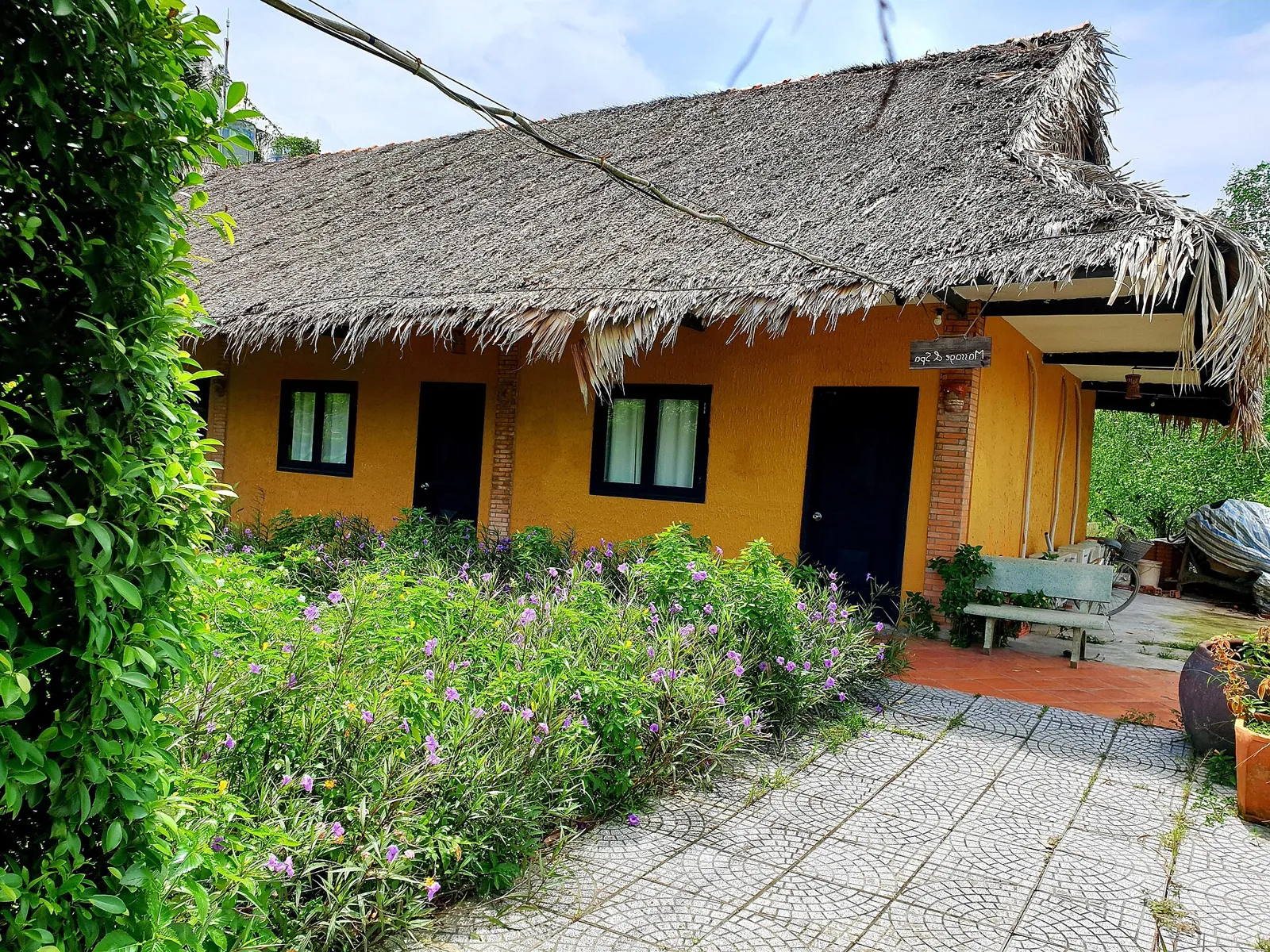
What we could not find is clinical research on whether herbal steam treats colds or anything else. During COVID-19, Long Châu pharmacy advised against steaming the airways directly for severely ill patients. So we see xông lá as cultural heritage and a lovely bridge to understanding sauna, not as medicine. Vietnamese guides give clear habits: after steaming, wipe off the sweat and rest for 20–30 minutes before a warm shower.
Ōmni Evidence Scale: No good evidence yet. We found no clinical studies on herbal steam, so it is best enjoyed as tradition rather than treatment.

Side by side: which heat is which?
| Finnish sauna | Infrared sauna | Xông lá (herbal steam) | |
|---|---|---|---|
| How it heats | Hot air and stones heat the whole room | Infrared panels warm the body more directly | Steam from a pot of boiled leaves, under a blanket |
| Typical temperature | About 80°C (Saigon venues list 80–90°C) | About 45–60°C (Waon studies: 60°C) | Not measured in the sources we found |
| How it feels | Intense, dry or with bursts of steam | Gentle, easier to breathe for beginners | Humid, scented, close and enclosed |
| Main research | KIHD cohort, Finnish men, observational | Small trials, mostly heart failure (Waon) | None found |
| Ōmni Evidence Scale | Promising (heart health) | Early evidence | No good evidence yet |
The social sauna trend in Saigon
Around the world, sauna has moved from the gym changing room to the centre of social life. Othership, in Toronto and New York, is the best-known example: guided heat and cold sessions as a sober alternative to a night out. Saigon is following. In June 2026, Kenh14 wrote about young Saigon residents swapping drinks for 10°C ice baths after pickleball or a run.
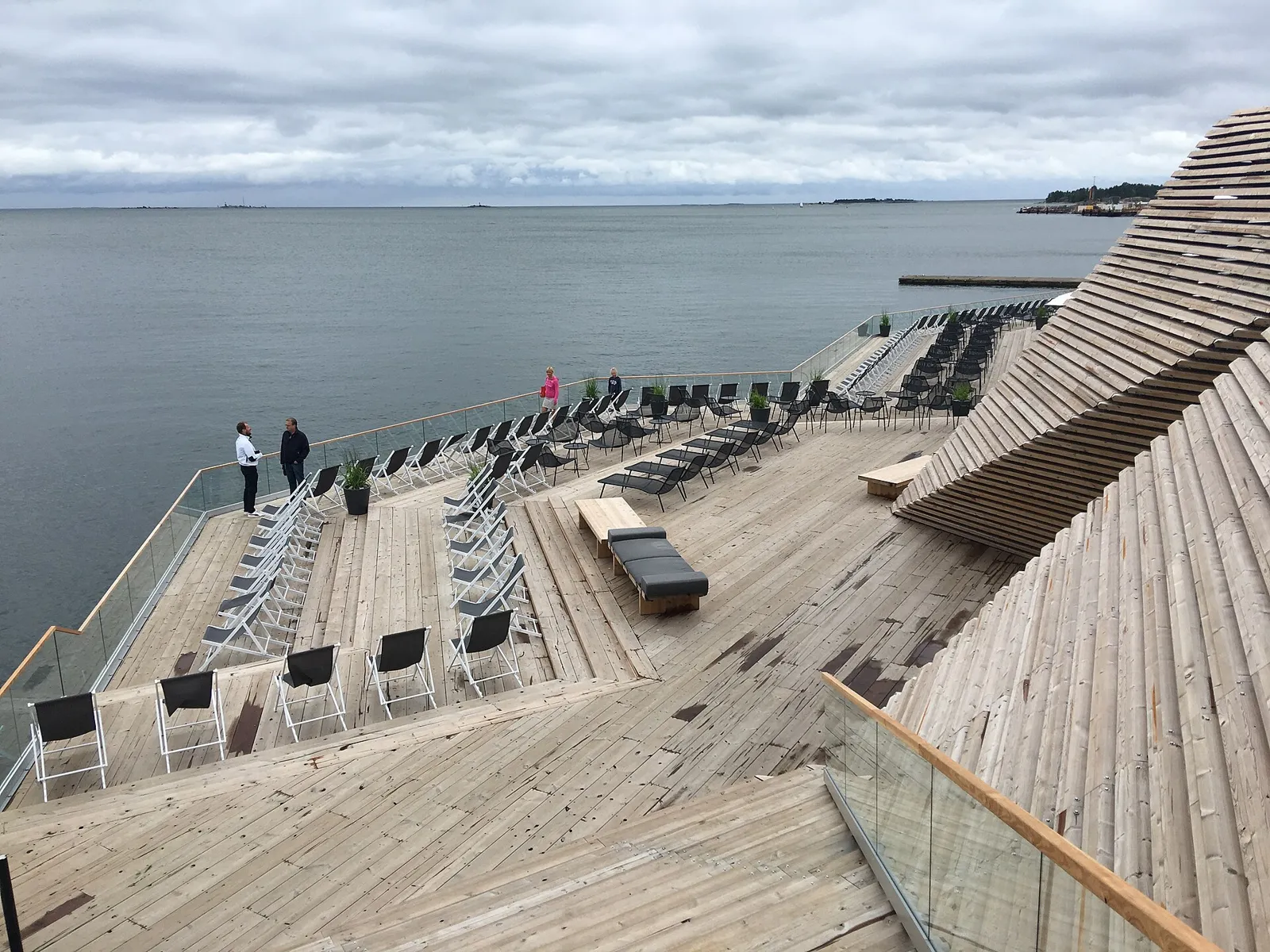
This shift is good news for the nervous system. Shared rituals, slower evenings and less alcohol all support rest. Just remember that the social part is a big piece of why it feels so good, and that is fine. It does not need a medical claim to be worth doing.
How to use heat safely
- Drink water before and after. You lose fluid through sweat, and Saigon is already hot.
- No alcohol. Vietnamese guides on xông hơi say not to steam after drinking. The same common sense applies to any sauna.
- Heart and blood pressure. If you have heart disease, unstable blood pressure or an irregular heartbeat, ask your doctor first. This matters even more for contrast therapy, because sudden cold makes the heart race and blood pressure rise.
- Pregnancy. Pregnant women are advised not to use herbal steam, and should talk to their doctor before any sauna or cold plunge.
- Children, older and frail people, and anyone with a high fever should skip xông lá, according to Vietnamese health guides.
- Listen to your body. Leave if you feel dizzy or unwell. Rest after heat before you shower.
- For cold plunges, never go alone, enter and leave slowly, and do not hold your breath or put your face under cold water. Beginners can start with 30 seconds to a minute. See our cold plunge page for more.
Where to try it in Saigon
Here are some places we found in public listings and websites. Prices and hours change, so check with each venue before you go.
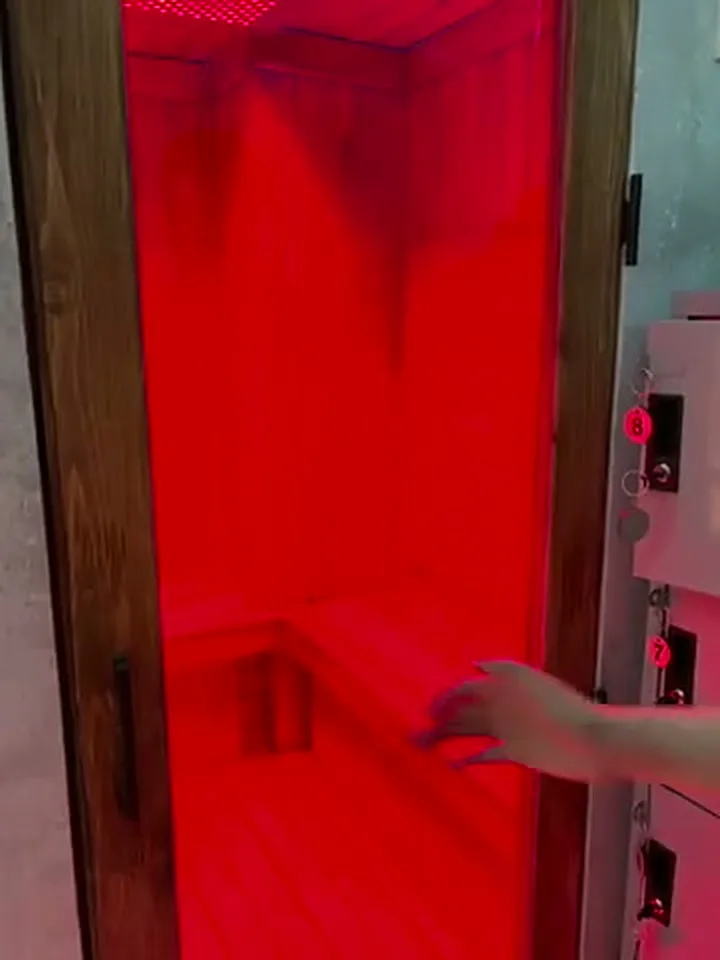
- Cá Hồi Sauna & Ice Bath Social Club (Nguyễn Văn Hưởng, Thảo Điền): a social sauna with a lemongrass-scented steam sauna, several cold pools, guided Aufguss sessions and a weekend Run & Dip Club.
- Primal (Nguyễn Duy Hiệu, Thảo Điền): a gym with a recovery area, including a hot stone sauna at 80–90°C, an ice barrel at about 10°C and a warm magnesium bath.
- Dii Sauna & Icebath (Hoàng Sa): a Finnish-style sauna at about 85°C with an ice bath at about 5°C.
- Spa and hotel saunas, and Korean- or Japanese-style bathhouses, are another easy way in.
- Outside Saigon: Epic Reset in An Bàng, Hội An, offers an outdoor sauna with ice baths and breathwork.
- Ōmni Space (16C Quốc Hương, Thảo Điền): a private infrared and red-light sauna at 45–55°C for 45 minutes, and a cold plunge at 11–15°C for 30 minutes. The room holds up to 4 people. Each is 450,000 VND alone or +200,000 VND with a float, or 900,000 VND for both together. Open 9:00–21:00 daily. See all services.
If you are choosing between ways to unwind, our comparison of float therapy, massage and sauna may help. And if you are spending a day in the neighbourhood, here are things to do in Thảo Điền.
FAQ
Is infrared sauna better than a Finnish sauna?
There is no evidence that it is. No study has compared them head to head. Infrared runs cooler, so many beginners find it more comfortable. Finnish sauna has the larger long-term research base, though it is observational.
Do the Finnish heart studies apply to infrared sauna?
No. The KIHD study looked at traditional Finnish saunas at about 80°C, used by middle-aged Finnish men. Its numbers should not be moved over to infrared sessions at 45–55°C.
Does xông lá cure a cold?
We found no clinical studies showing that it does. It is a comforting family tradition. Skip it if you have a high fever, are pregnant, have unstable heart disease or blood pressure, or have been drinking.
Is going from sauna to cold plunge safe?
For most healthy adults who go slowly, it is a common practice. Sudden cold raises heart rate and blood pressure, so people with heart conditions or who are pregnant should ask a doctor first. Never plunge alone.
How often should I use a sauna?
There is no proven ideal dose. The Finnish links were strongest at 4–7 sessions a week, but that was observational. For xông lá, Vietnamese guides suggest 15–20 minutes, two or three times a week. Start gently and notice how you sleep and feel.
Sources
- Laukkanen et al. (2015). Association between sauna bathing and fatal cardiovascular and all-cause mortality events. JAMA Internal Medicine.
- ScienceDaily (2015). Frequent sauna bathing may reduce risk of fatal cardiovascular disease.
- Laukkanen et al. (2016). Sauna bathing is inversely associated with dementia and Alzheimer’s disease. Age and Ageing.
- Zaccardi et al. (2017). Sauna bathing and incident hypertension. American Journal of Hypertension.
- Multicenter randomized trial of Waon therapy for chronic heart failure (WAON-CHF). Circulation Journal (2016).
- Systematic review: sauna bathing and heart failure (2018).
- Western Sydney University (2018). Infrared sauna is no better for your health than traditional sauna.
- Bieuzen et al. (2013). Contrast water therapy and exercise-induced muscle damage: a systematic review and meta-analysis. PLoS ONE.
- Søberg et al. (2021). Altered brown fat thermoregulation and enhanced cold-induced thermogenesis in winter-swimming men. Cell Reports Medicine.
- VnExpress. Lợi ích của việc xông hơi.
- Nông nghiệp & Môi trường. Liệu pháp xông hơi giúp bảo vệ cơ thể trong mùa lạnh.
- Nhà thuốc Long Châu. Bệnh nhân bị COVID có nên xông không?
- Kenh14 (2026). “Cool kid” Sài Gòn đổi rượu lấy bồn ngâm đá 10°C.
- Wikipedia. Othership.
- Shattock & Tipton (2012). “Autonomic conflict”: a different way to die during cold water immersion? Journal of Physiology.
Leave a Reply