
In short: Ōmni’s Meditation Hub is a short path into meditation for busy people in Saigon. Start with three guided practices of about ten minutes each: NSDR (yoga nidra) to rest deeply, a long-exhale breathing practice to calm down fast, and a body scan to hear what your body is telling you. All three come with Đức’s voice. No religion, no equipment, no experience needed. When sitting still feels hard, float therapy is the easiest way in: the water holds you, and the mind settles on its own.
Read in Vietnamese: Hub Thiền: thiền cho người Việt, bắt đầu từ một hơi thở
Everyone has heard that meditation helps. Few people can sit still for more than a few minutes, especially in a city where the traffic never stops and the phone never goes quiet. You download an app, try twice, and the habit fades. This hub starts smaller: one ten-minute practice you can do tonight, why it works, and what the research really says. Then, when you want to go deeper, it shows you where to go next.
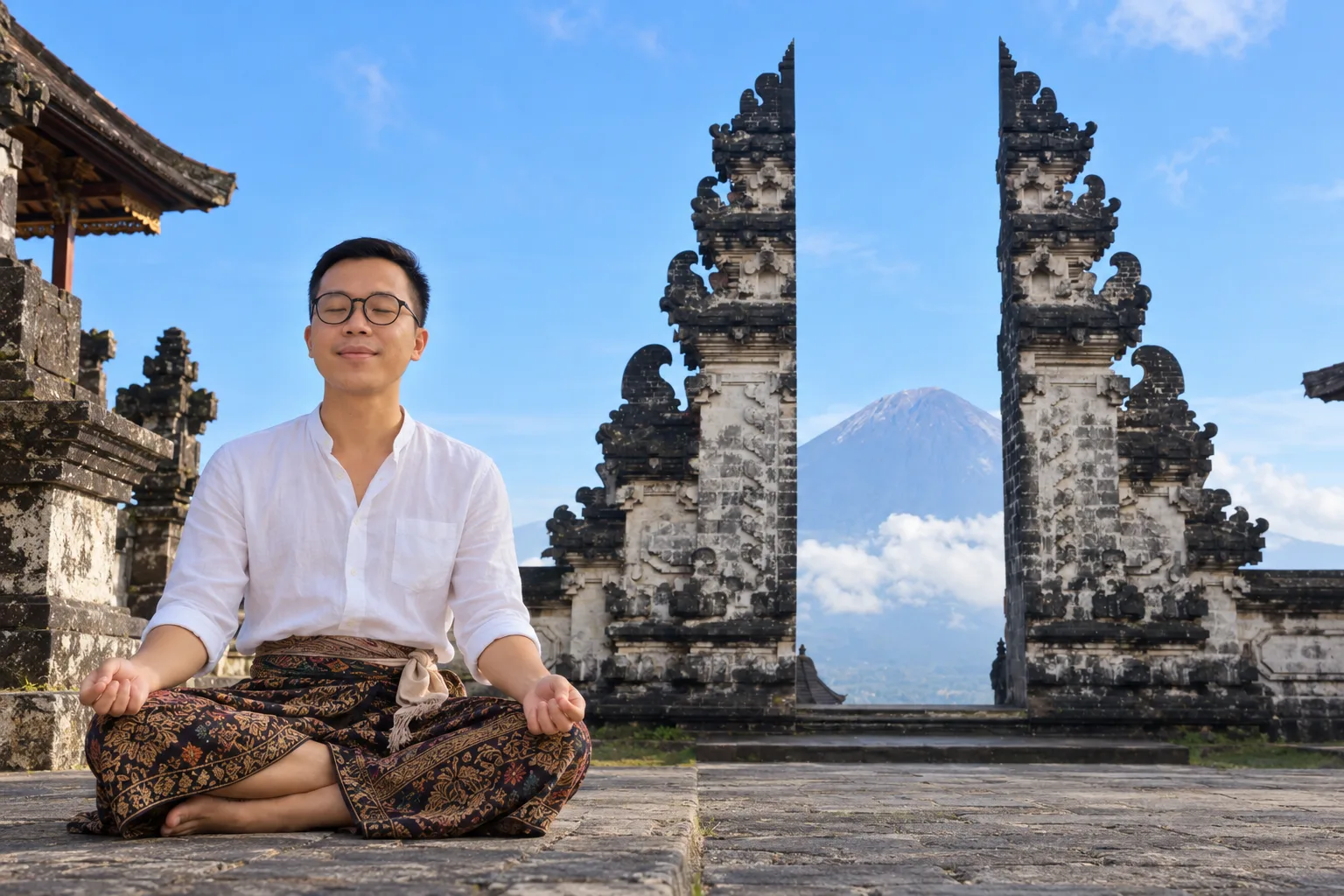
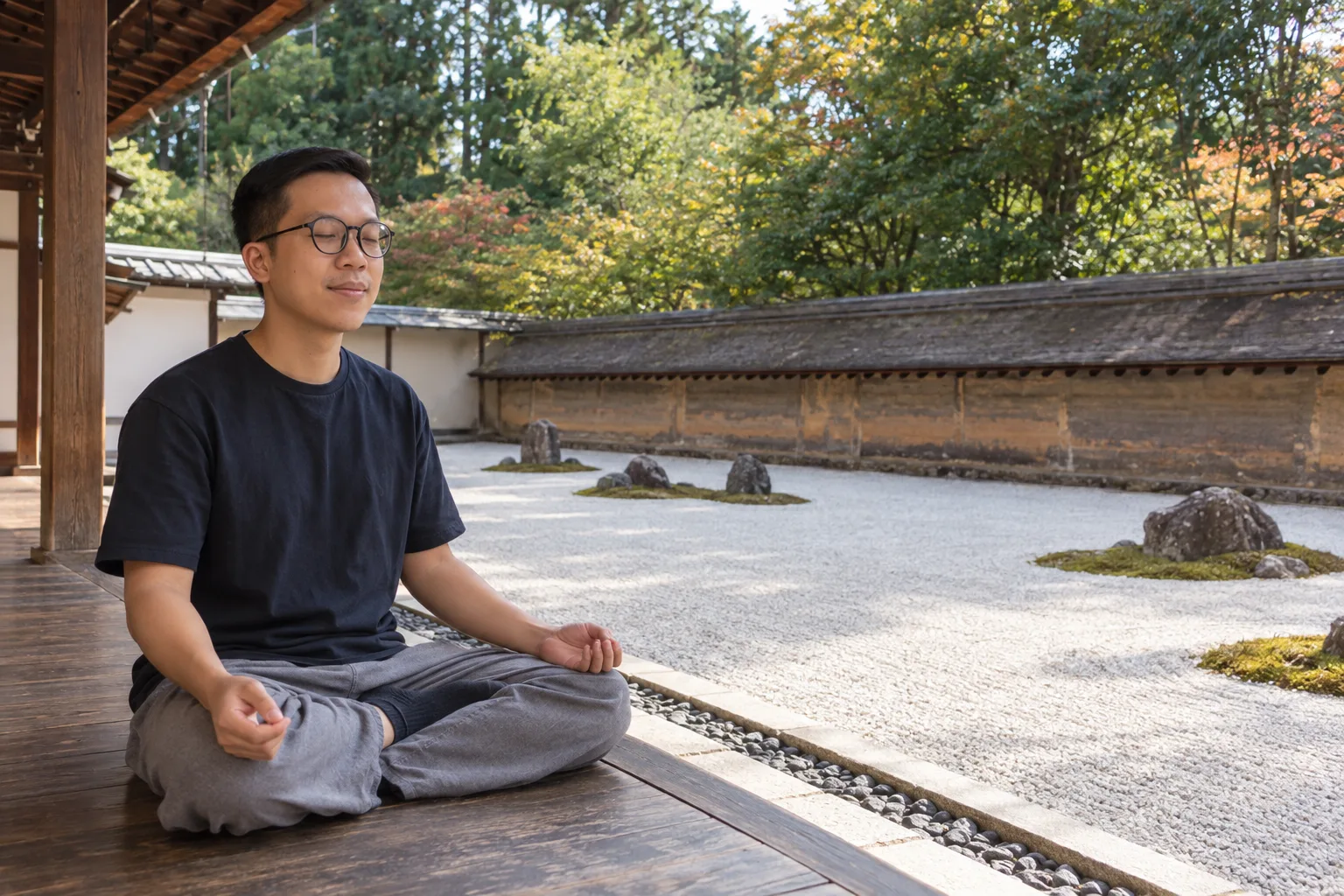
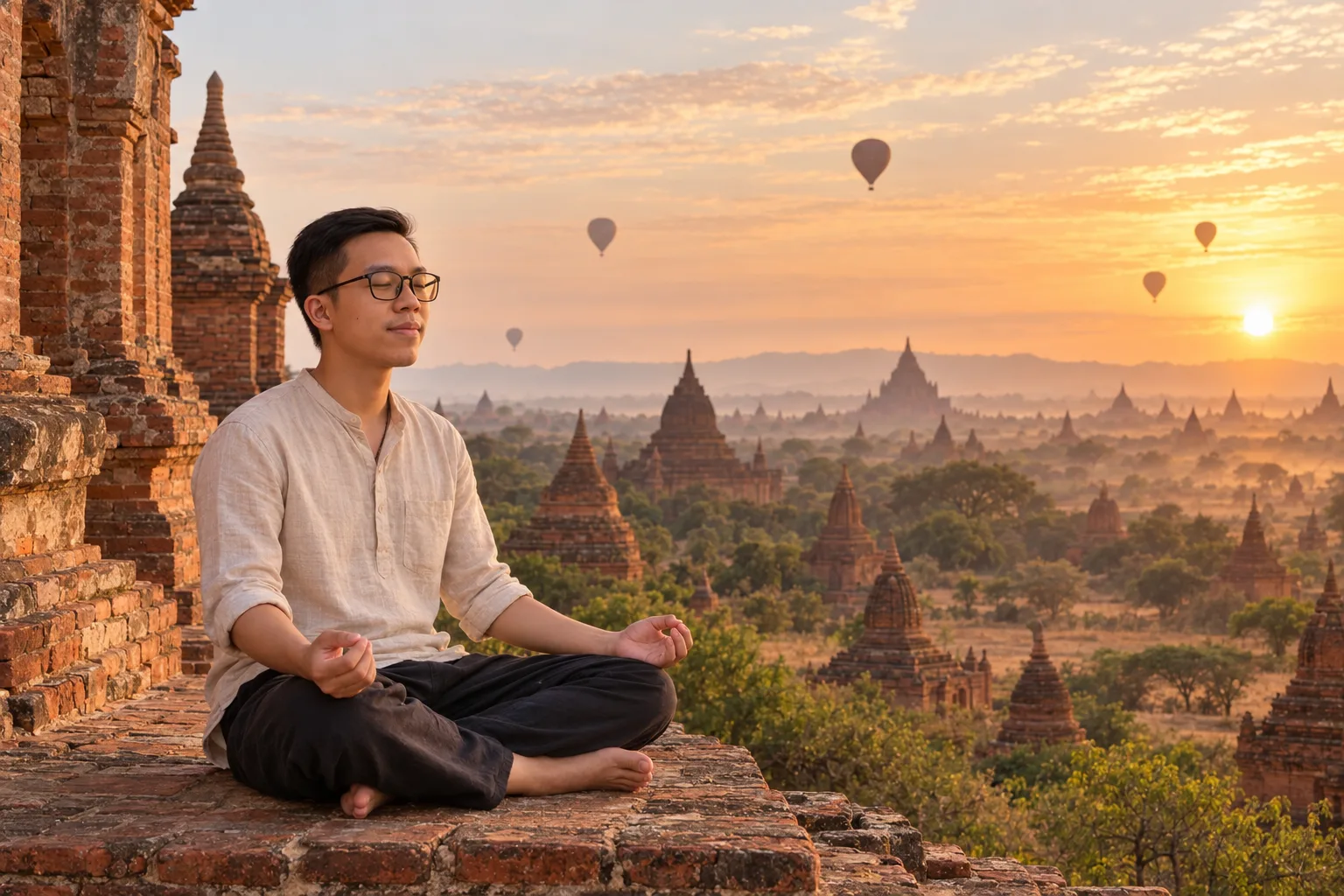
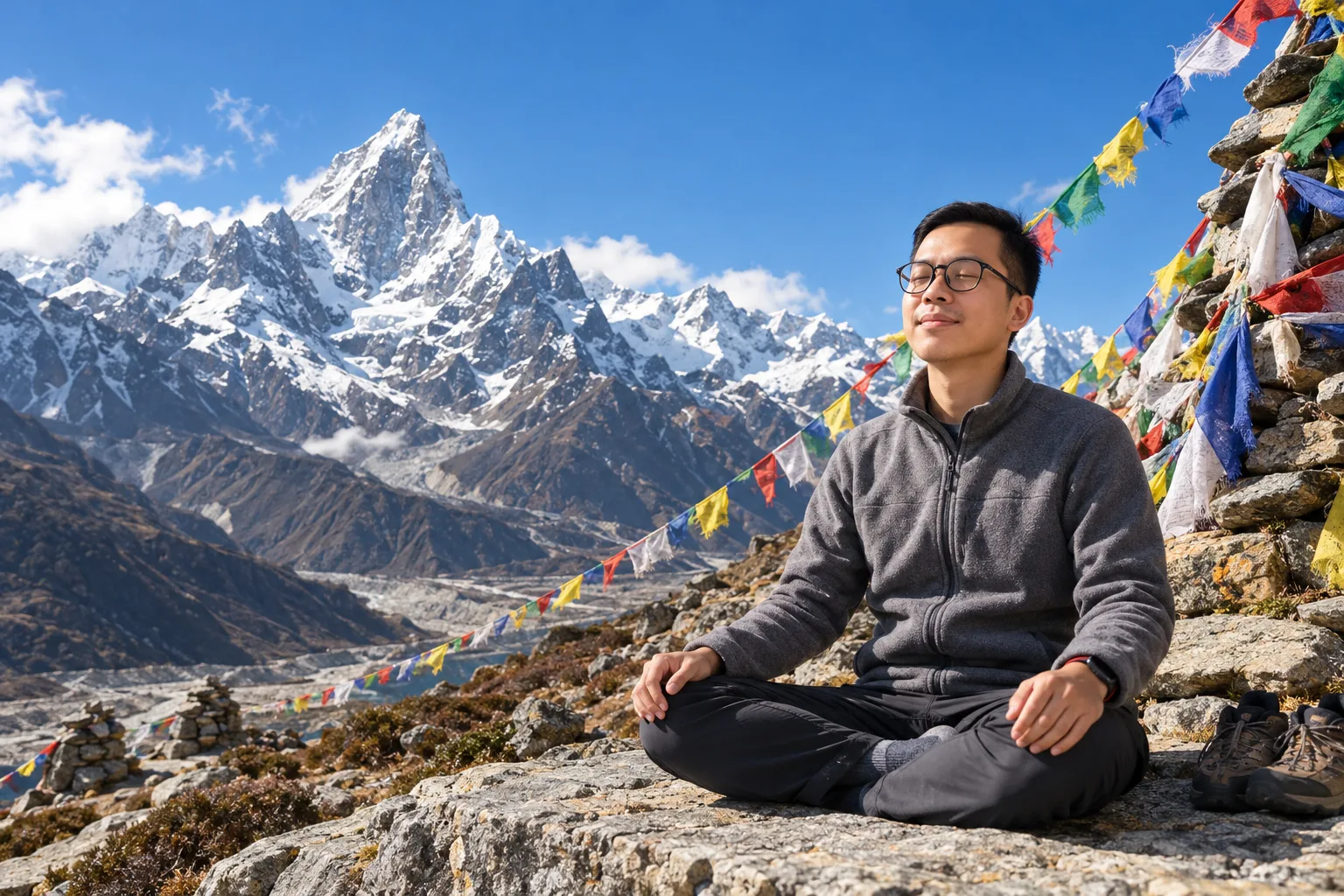
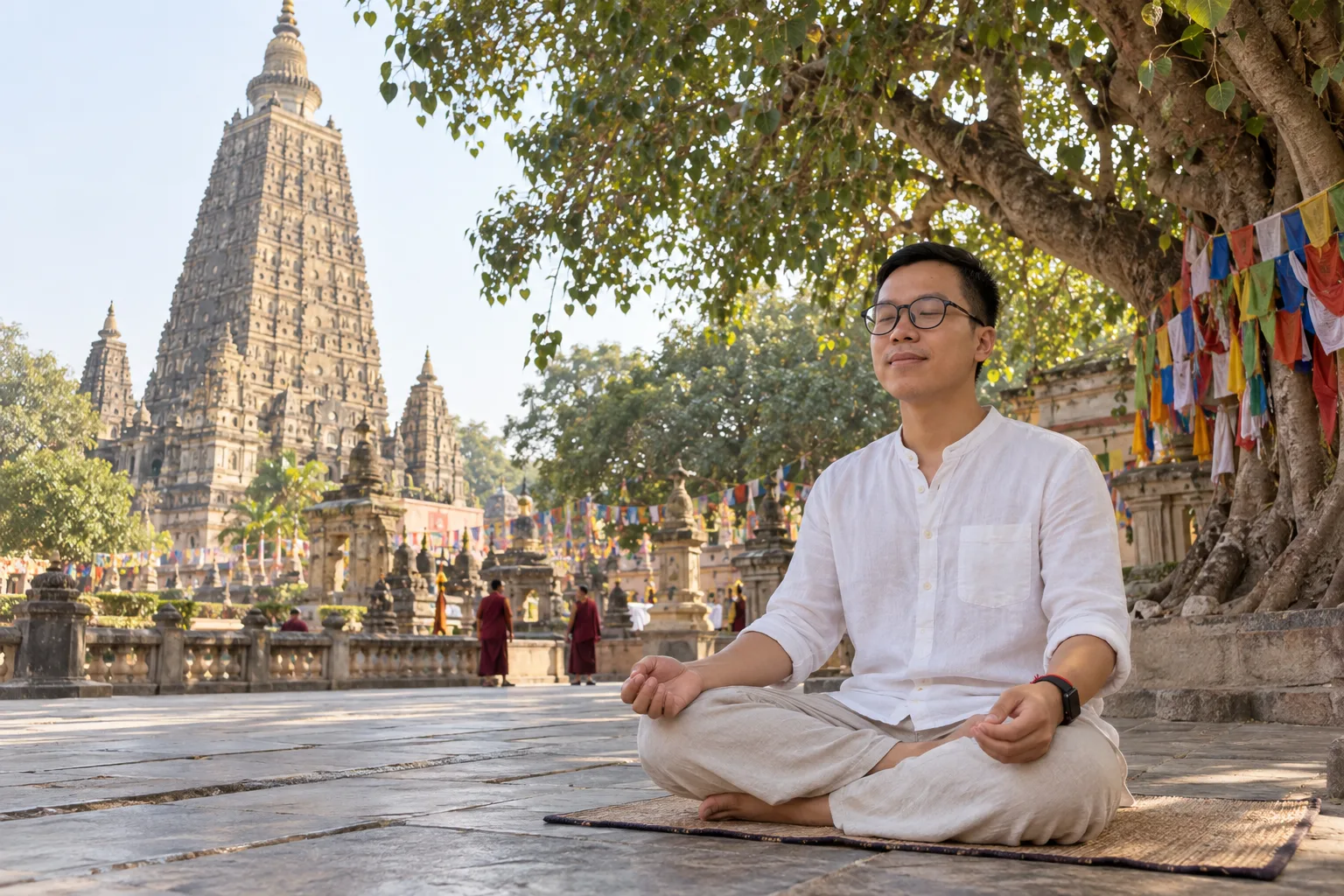
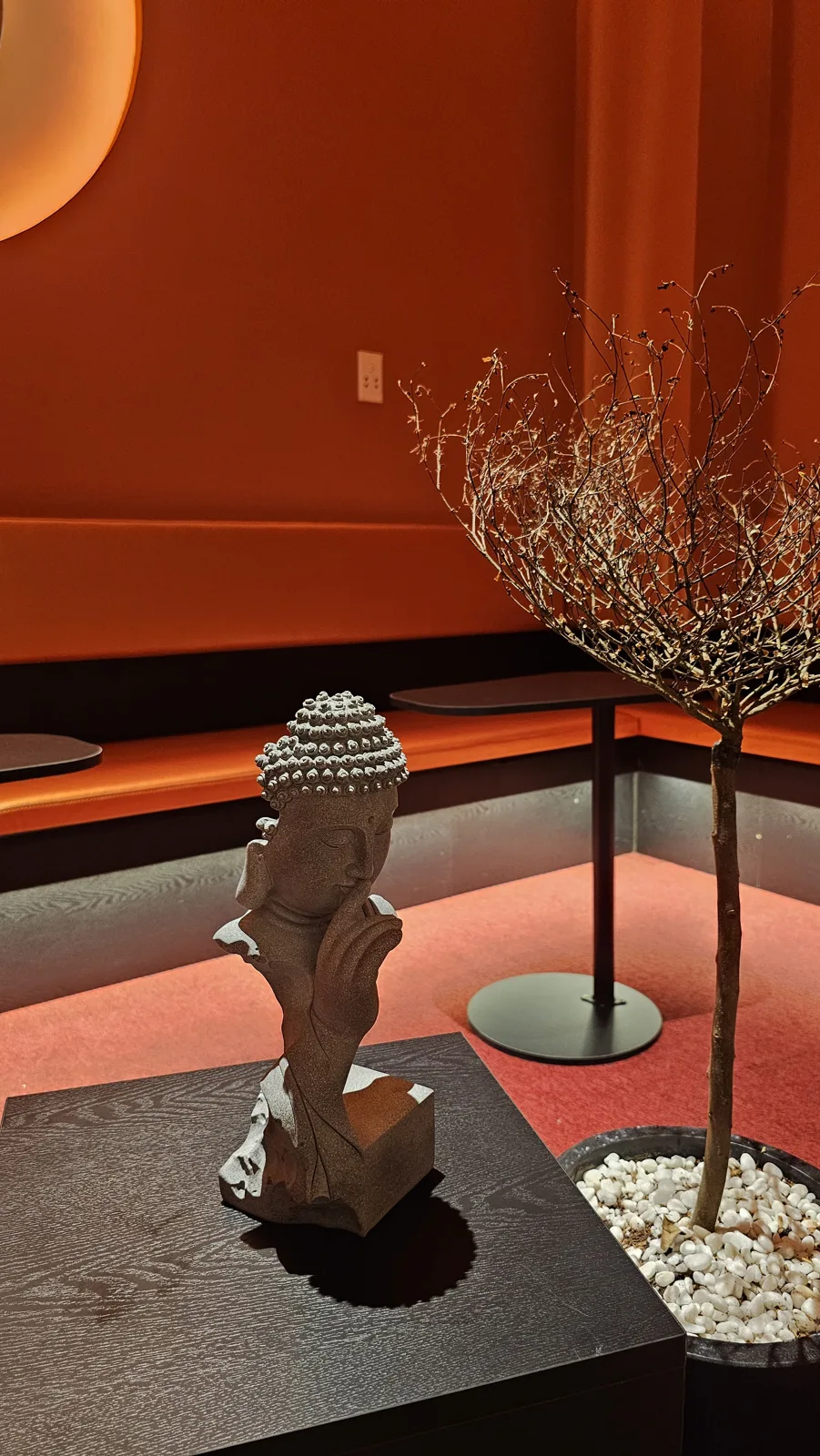
Start here: four guided practices
New to meditation? Take them in this order. Each takes about ten minutes, and each page explains how it works, what the studies found and who should be careful.
1. Breathwork: the long exhale (sit, about 9 minutes)
Breathe in for four, hold for two, breathe out for six, pause for four. Breathing out for longer than you breathe in tells the body it is safe to rest, which makes this the quickest way to calm down before a meeting or after a loud ride home. Press play and breathe along with Đức’s voice, then try the 10-minute session of sighs, slow breathing and box breathing. Breathwork guide: long exhale, box breathing and more.
2. NSDR and yoga nidra (lie down, about 13 minutes)
Non-sleep deep rest: you lie still and follow a voice through the body until it grows heavy and warm, without falling asleep. Good for the afternoon slump, a jet lag day or a racing mind at night. The guide has Đức’s audio and a video version. NSDR (yoga nidra): a 10-minute reset.
3. Body scan (lie or sit, about 10 minutes)
Move your attention slowly from your toes to the top of your head and notice what you feel, without trying to change it. It is the first practice of the 8-week MBSR course, and a good way to wind down in bed. The guide has Đức’s audio. Body scan meditation: a 10-minute guided practice.
4. Loving-kindness (metta) (sit, about 9 minutes)
Silently send a few simple wishes (may you be at peace, may you be healthy) first to yourself, then to someone you love, someone you barely know, someone difficult and finally everyone. Good on days when you are hard on yourself or tense with someone. The guide has Đức’s audio. Loving-kindness meditation: a 9-minute guided practice.
Which practice for what you need
| If you want to… | Try | Why |
|---|---|---|
| Calm down in a few minutes | Long exhale | Slow breathing with a longer out-breath shifts the body toward rest |
| Recharge after lunch or a flight | NSDR | Deep rest without a nap’s grogginess |
| Fall asleep more easily | Body scan or NSDR | You are already lying down, and attention moves from thinking to feeling |
| Notice stress before it builds up | Body scan | A tight jaw or chest often comes before the worried thought |
| Be kinder to yourself, or ease tension with someone | Loving-kindness | Quiet, warm wishes turn attention from criticism toward care |
| Go deep without any technique | Float therapy | The water holds you and the room is dark and quiet, so the mind settles by itself |
Why meditate, and why it feels so hard
Psychologist Abraham Maslow described human needs as a pyramid: food and a home at the base, then safety, love and belonging, recognition, and becoming who you can be. Meditation is not a reward for people who have reached the top. It helps on every level, wherever you stand today:
- Food, sleep and a home. Slow breathing and deep rest help a tired body recover, and many people fall asleep more easily.
- Safety. When work, money or health feel uncertain, a few slow breaths quiet the body’s alarm, so you can think clearly instead of simply reacting.
- Love and belonging. Noticing your own feelings first makes it easier to listen, and to answer a partner or a friend without snapping.
- Recognition. A steadier mind holds focus at work and leans less on other people’s approval.
- Becoming yourself. In the quiet you can hear what you really want, under the noise of what you think you should want.
- Beyond yourself. At the very tip, where Maslow placed going beyond the self, meditation opens the door to something larger.
Now picture a tall building on top of the pyramid, rising higher than Maslow’s pyramid could describe: each floor a deeper level of stillness, and at the very top, enlightenment. You don’t have to finish the lower levels first. Wherever you are on the pyramid, the way up starts right there, and there are two ways up.
- Sitting meditation is the stairs. You climb step by step on your own. You do get there, but the quieter floors often take months or years of steady practice.
- A float is the elevator. The pool does the hardest part for you: no light, no sound, no weight to hold. In one 60–90 minute session the elevator lifts you fast, and it stops on a different floor each time.
The elevator does not replace the stairs. With regular floats many people find it goes a little higher, and a few minutes a day with the guides below keeps the stairs familiar. Think of it as a map, not a score: nobody can promise which floor a session will reach.
Curious what the first floors feel like? Floor 1, Body lets go: the water takes your weight and muscles you did not know were tight finally loosen. Floor 2, Quiet mind: thinking slows down and small gaps open between thoughts. Each lesson ends with a short practice you can try at home.
What research supports today: structured mindfulness programmes such as MBSR, which starts with the body scan, are rated Promising for stress on our Ōmni Evidence Scale, and so is NSDR (yoga nidra) for stress and anxiety. Slow breathing raises heart rate variability, a sign the body is shifting into rest. Many single techniques are still early evidence, so each guide tells you honestly how strong its studies are. What all of them share is simple: regular practice matters more than long practice.
Hard to sit still? Try lying still, in water
Float therapy is a way to restore balance to body and mind, not a spa treatment and not entertainment for the senses. You lie in about 25 cm of warm water (about 33–34 °C, close to skin temperature) with about 500 kg of dense, mineral-rich Epsom salt, in a dark, quiet room. Nothing presses on your heels, hips or shoulders, there is little light and sound, and you do not have to hold a posture. Many guests describe it as a kind of wakeful sleep.

Float therapy is a young but very active research field. Randomised controlled trials have shown clear effects on anxiety, stress, muscle tension and sleep, and in a 2018 study a single float clearly increased awareness of heartbeat and breathing while lowering anxiety. We rate float therapy for stress and relaxation Strong: on top of these trials, user experience is overwhelmingly positive, with 92% of regular floaters in a 2025 survey reporting relaxation and 77% less stress. The value grows with regular sessions, the same way meditation does. If you already practise, try a body scan or a long exhale in the water; see how often to float.
Float PlanRunning on empty?Take the one-minute Float Plan quiz: tell us how you feel and what you need, and get a simple plan for your first session.Make my Float PlanMore from the hub: sound, technology and recovery
- Sound healing in Saigon and gong baths: singing bowls, gongs and what the science says.
- Binaural beats and 432 Hz music and audio-visual entrainment: can sound and light guide the brain?
- Meditation devices compared and should you buy one?
- Digital detox: does putting the phone down really rest your brain?
- Ice bath and the Wim Hof method: an honest guide for Saigon.
- Biohacking in Ho Chi Minh City: where to go and what to book.
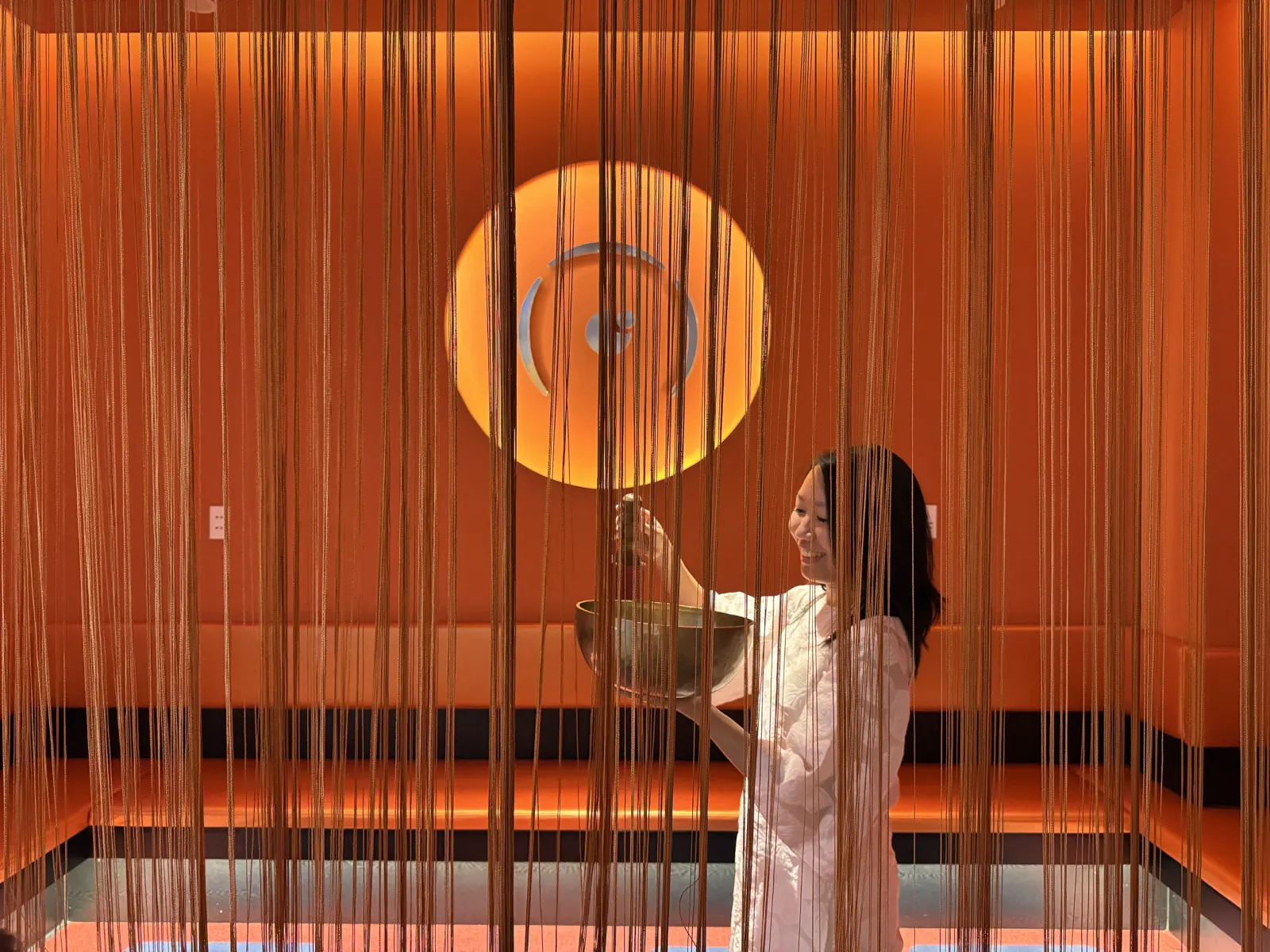
The full hub, in Vietnamese
The complete Meditation Hub lives in Vietnamese on our sister site Float Vietnam: more guided lessons, plus branches on neuroscience (brainwaves, the default mode network, flow), natural altered states, meditation in culture and an essay by our founder on AI and wisdom. Visit the Vietnamese Meditation Hub. We add English versions of the strongest lessons here over time.
Try it at Ōmni
- Single float, 60 minutes: 1,500,000 VND. Couple room, 60 minutes: 2,200,000 VND per room. See prices.
- Open 9:00–21:00 every day; the last float starts at 20:00.
- Where: 16C Quốc Hương, Thảo Điền, Saigon.
- Book a float, or read before your first float.
FAQ
Where should a beginner start?
With the long exhale in our breathwork guide: it is the shortest and works anywhere you can sit. If you are tired, lie down and do NSDR instead.
Do I need to be Buddhist to meditate?
No. The guided practices here are not religious. We explain where each one comes from out of respect for the traditions that shaped it.
How long should I meditate each day?
Five to ten minutes is a good start. Practising most days matters more than practising for long.
Where can I meditate in Saigon?
At home with these guides, at pagodas and studios that run group sits (check their current times), or in a float room at Ōmni in Thảo Điền, where the dark, quiet water does much of the work for you.
How is float therapy different from meditation?
In a float, the body is fully supported and there is almost no light or sound, so far less pulls your attention away. You do not need any technique; many people simply follow their breath. Meditation is a skill you build on your own; floating makes the quiet easier to reach.
Written by the Ōmni Space team in Saigon. This hub is general information, not medical advice. Checked 25 October 2026.