
In short: Buy a meditation device only if you know the problem you want it to solve and will use it most days. A feedback headband can help some data-lovers stay consistent. But free methods, like slow breathing, plain meditation and free app content, are the baseline any device must beat, and most devices have only early evidence.
This guide was written by the team at Ōmni Space – Float Saigon in Thảo Điền. People often ask us whether a meditation gadget is worth the money. We do not sell any of them. For a device-by-device look at Muse, light-and-sound machines and other gadgets, see our meditation devices compared guide. This page is the step before: a buyer’s checklist to help you decide whether you need one at all. Prices are the makers’ listed prices in US dollars, checked on 12 October 2026. This is general information, not medical advice.
The honest short answer
You may benefit if you already meditate a little but struggle to keep going, you enjoy seeing numbers and progress, and you want a clear signal of when your mind wanders or your breathing slows.
You probably won’t benefit if you hope the device will do the work for you, you are buying it to fix insomnia or anxiety on its own, or you rarely find ten free minutes.

The baseline is free. The NHS suggests a simple breathing exercise for stress: breathe in gently for a count of five, out for five, for at least five minutes, ideally every day. Our breathwork guide covers more techniques. Insight Timer, for example, describes itself as the world’s largest library of free guided meditations. If a device does not beat these, it is an expensive timer.
Seven questions to ask before you buy
- What problem am I solving? Sleep, stress, focus, building a habit, or simple curiosity?
- Will I use it for 10 minutes or more on most days? Most studies of apps and biofeedback asked people to practise daily for weeks. A device in a drawer does nothing.
- Do I actually like data? Some people find scores motivating. Others start chasing numbers and feel more tense.
- Have I tried the free version for two weeks? If you could not keep that habit, a gadget rarely fixes it.
- What is my full budget? Include subscriptions, shipping, and repairs without local warranty.
- Do I have a medical condition? Epilepsy, a pacemaker or other implant, pregnancy, or a mental-health condition changes which devices are safe. See the safety section below.
- Can I try it first? A single supervised session tells you more than any review.
What a device can and cannot do, by goal
Stress. This is where the research is most encouraging, but mainly for the practice, not the gadget. Slow breathing at about six breaths a minute is the core of heart rate variability (HRV) biofeedback. In a study of 112 people, one session of slow breathing gave similar short-term changes in heart rhythm and arousal whether or not people saw biofeedback on a screen. A device can guide the pace. Your breath does the work.
Sleep. Be careful here. In a 2020 meta-analysis of HRV biofeedback (a statistical summary of many trials), sleep was among the outcomes with the smallest effects. Some devices track sleep. Tracking is not the same as improving it. If sleep is your main problem, see a doctor, especially if it has lasted for months.
Focus. An EEG headband can tell you, in real time, when your attention drifts during meditation. That is useful feedback. We found no strong proof that it improves focus in daily life more than meditating without it.
Building a habit. This may be a device’s best job. Streaks, scores and a physical object on your bedside table can be reminders. But a free app’s reminder does the same.
What the research says, by type of device
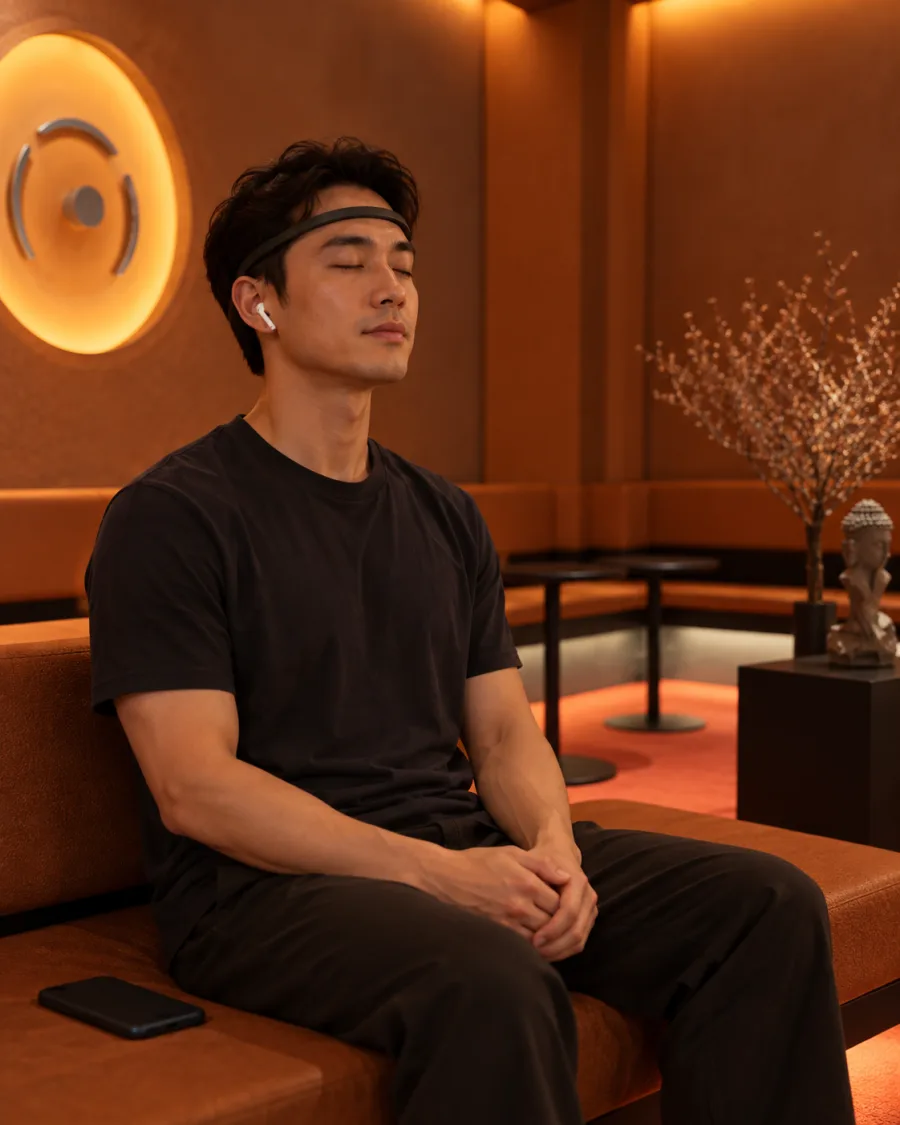
Feedback devices (EEG headbands and HRV sensors). These measure you and show the result. They do not push anything into your body. HRV biofeedback as a structured training has real research behind it: a 2020 meta-analysis by Lehrer and colleagues pooled 58 randomised controlled trials and found a small-to-moderate benefit, largest for anxiety, depression and anger. An earlier 2017 meta-analysis of 24 studies found a large drop in self-reported stress and anxiety, while asking for better-controlled trials. But most of these studies used guided programmes, often with a trainer, not a gadget used alone at home. And as the breathing study above shows, the screen may add little to the slow breathing itself.
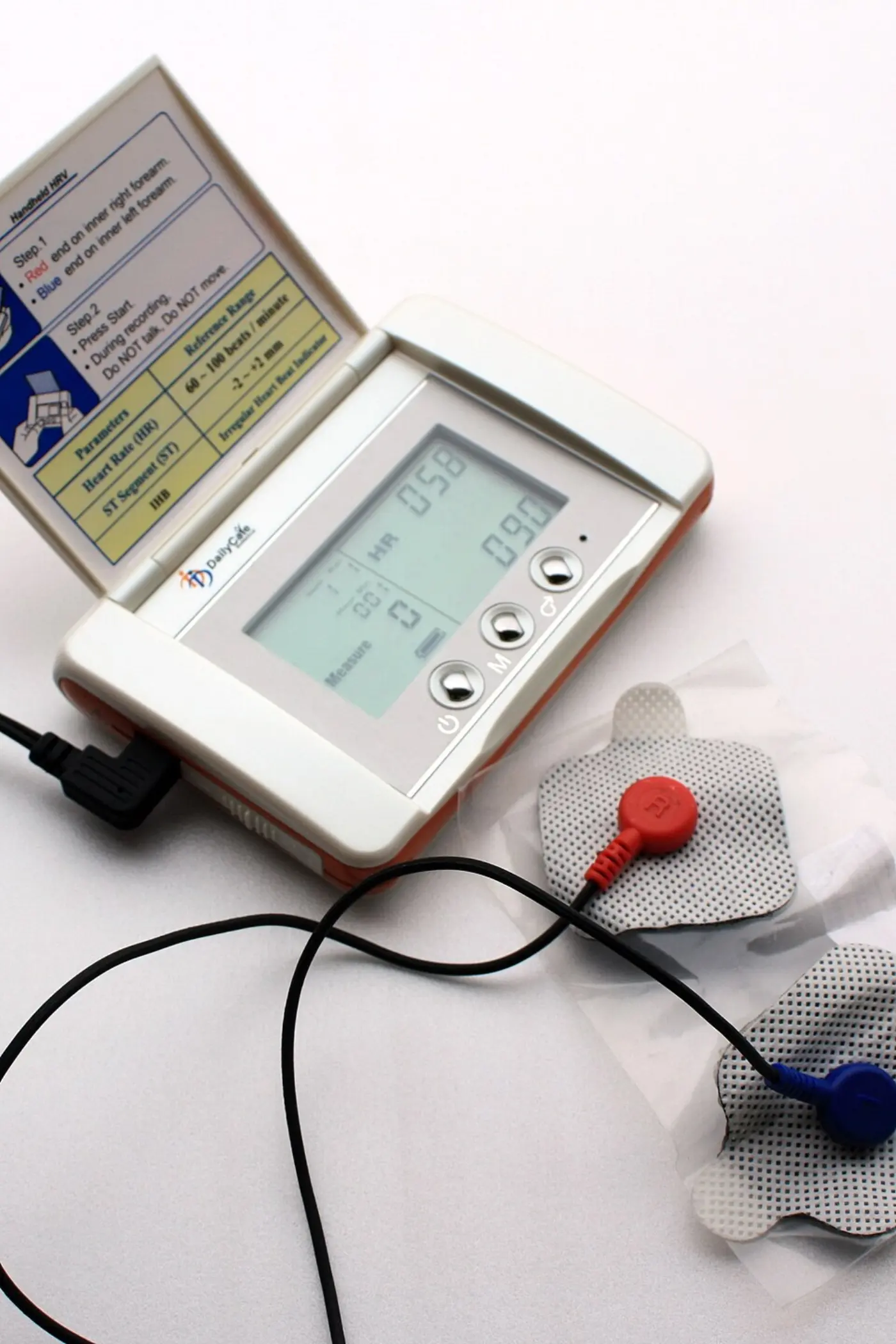
Ōmni Evidence Scale: Early evidence. The signals are real and HRV biofeedback training has trials behind it, but there is no strong proof that a home feedback gadget beats the same practice without one.
Light-and-sound devices. These flash light through your closed eyelids, usually with pulsing sound, a method called audio-visual entrainment. The research is mostly small or run by makers, and the flicker carries a real seizure risk for some people.
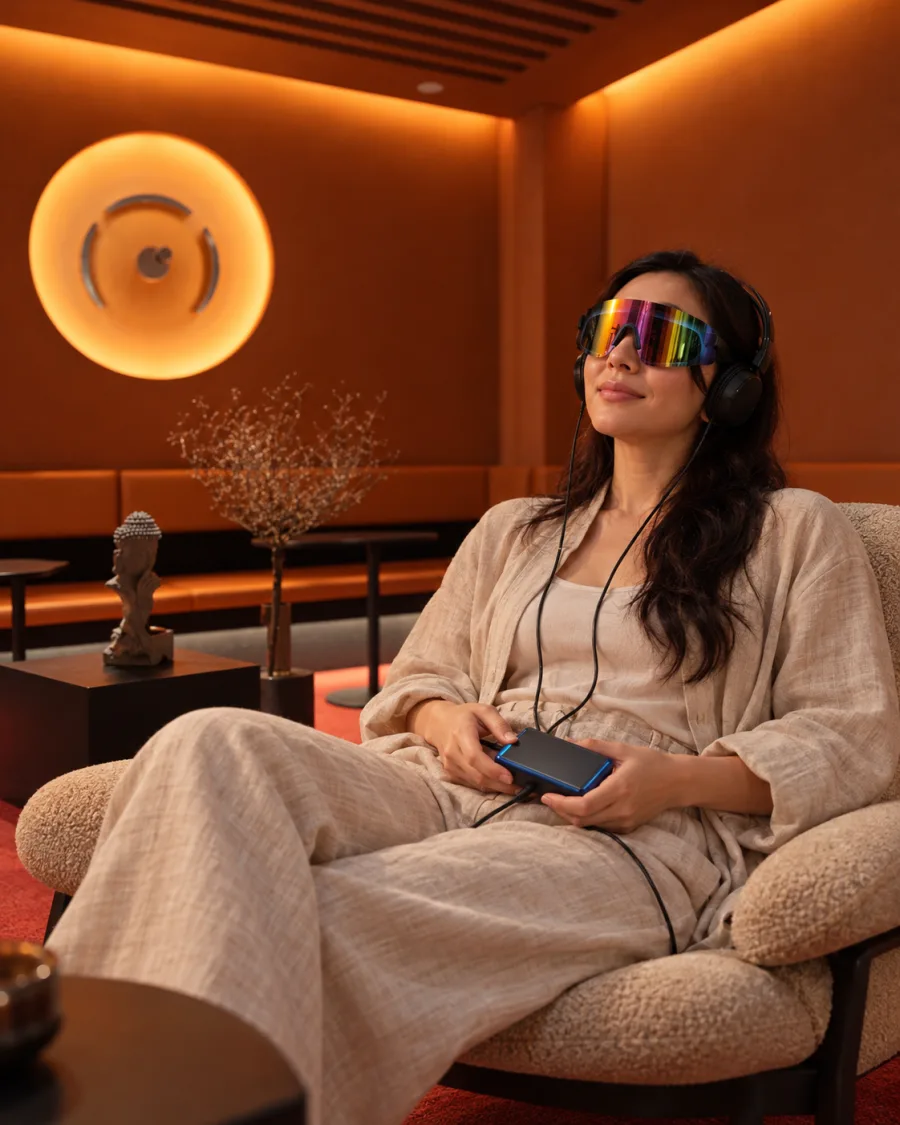
Ōmni Evidence Scale: Early evidence. Most benefits rest on small or maker-run studies and personal reports.
“Frequency” wearables. Some gadgets claim to send signals, such as ultra-low radio-frequency energy or special tones, that change how you feel. In our device comparison we found no independent study showing that this works. The same goes for “healing” claims about 432 Hz music; our guide to binaural beats and 432 Hz explains the difference.
Ōmni Evidence Scale: No good evidence yet. We found no independent research showing these devices do what they claim.
The cheaper comparison: meditation apps. A 2023 meta-analysis of 43 randomised trials found that mindfulness apps reduce symptoms of depression and anxiety a little in the short term. Against active comparisons, the effect was not significant, though those studies were few. In a Headspace study run by Headspace staff, ten 10-minute sessions improved stress, mood and irritability more than an audiobook about meditation. In a Calm study with 88 stressed college students, eight weeks of daily use lowered stress compared with a waiting list.
Ōmni Evidence Scale: Promising. A meta-analysis of 43 trials leans positive, but effects are small, short-term and partly from company-run studies.
The real cost
The device. Listed prices on makers’ own stores, checked 12 October 2026:
- EEG headband: Muse 2, $249.99.
- HRV sensor: HeartMath Inner Balance Coherence Plus, $249, with lifetime access to the HeartMath app included.
- Light-and-sound: Mind Alive DAVID Delight Pro, $560; the roXiva RX1 lamp, $5,500.
- Radio-frequency wearable: Hapbee neckband, $319 on sale (listed at $399), plus a membership whose price the home page does not show.
Subscriptions. Check what works without paying. Muse lists its Premium plan at $12.99 a month or $49.99 a year, though the free app keeps core meditations and sleep tracking.

Buying in Vietnam. As of October 2026, we found no official Vietnamese distributor for any of these devices, and we could not verify a reliable price in Vietnamese dong. That leaves hand-carried or grey-import units. Before you pay:
- Warranty. Muse’s international store lists a one-year warranty and 30-day returns. A unit bought from a reseller may not be covered, and sending it back abroad is slow and costly.
- Power. Vietnam’s mains supply is 220–230 V, 50 Hz. Most headbands charge by USB; check that any charger says 100–240 V.
- The app. Most devices need their app. We did not confirm whether each app is available in the Vietnamese App Store or Google Play, so check before you buy.
Red flags in the marketing
- “Cures anxiety” or “fixes insomnia”. These are disease claims. A device sold only for “relaxation” or “stress management” usually falls under the FDA’s general wellness policy. That means no FDA review of whether it works.
- “Rewires your brain in 7 days”. No study we know of supports a lasting brain change from a week of gadget use.
- Frequency and 432 Hz claims. A precise number sounds scientific. It is not evidence.
- Testimonials only. The US Federal Trade Commission says personal stories and consumer surveys are never enough to prove a health product’s effects.
- “FDA registered” or “FDA certified”. See below.
FDA registered vs cleared, simply. “Registered” only means a company has told the FDA it exists and what devices it makes. The FDA says registration does not mean approval, clearance or authorisation, and it does not issue registration certificates. “Cleared” means the FDA reviewed a 510(k) submission and agreed the device is as safe and effective as one already legally on the market. “Approved” is the strictest level, for higher-risk devices. You can check claims in the FDA’s Devices@FDA database.
Safety first
- Flashing light and epilepsy. Light-and-sound devices can trigger seizures in people with photosensitive epilepsy, even with the eyes closed. The Epilepsy Society names 3 to 30 flashes a second as the usual trigger range. Read the safety section of our device comparison before trying one.
- Pacemakers and implants. Some devices add a mild electrical current to the head. Mind Alive’s manual for its OASIS Pro stimulation device says not to use it with a pacemaker, because the signals may cause the pacemaker to malfunction. The NHS gives the same rule for TENS machines. Feedback headbands only measure, so this risk does not apply to them.
- Pregnancy. The NHS advises avoiding TENS in pregnancy unless your doctor or midwife says otherwise. Some light-and-sound events and at least one frequency-wearable maker also exclude pregnant users. Ask your doctor first.
- Mental-health conditions. Mind Alive’s DAVID Delight manual advises that people with a mental disorder, a history of seizures or a head injury use it only under qualified supervision. Meditation itself is not risk-free: a 2020 review of 83 studies found unwanted effects, most often anxiety or low mood, in about 8% of participants on average. If you are in treatment, talk to your clinician.
Try before you buy in Saigon
At Ōmni Space we keep a Muse 2 EEG headband that guests can try before and after a float, so you can see your own data before you spend $250 on one. Our Brainwaves Neuro Align is a 30-minute light-and-sound session using a Mind Alive DAVID Delight. It costs 450,000 VND on its own, or +200,000 VND with any float. Because it uses flickering light, please skip it if you have epilepsy or are sensitive to light, and read the safety list above. Every guest fills in a short health questionnaire first.
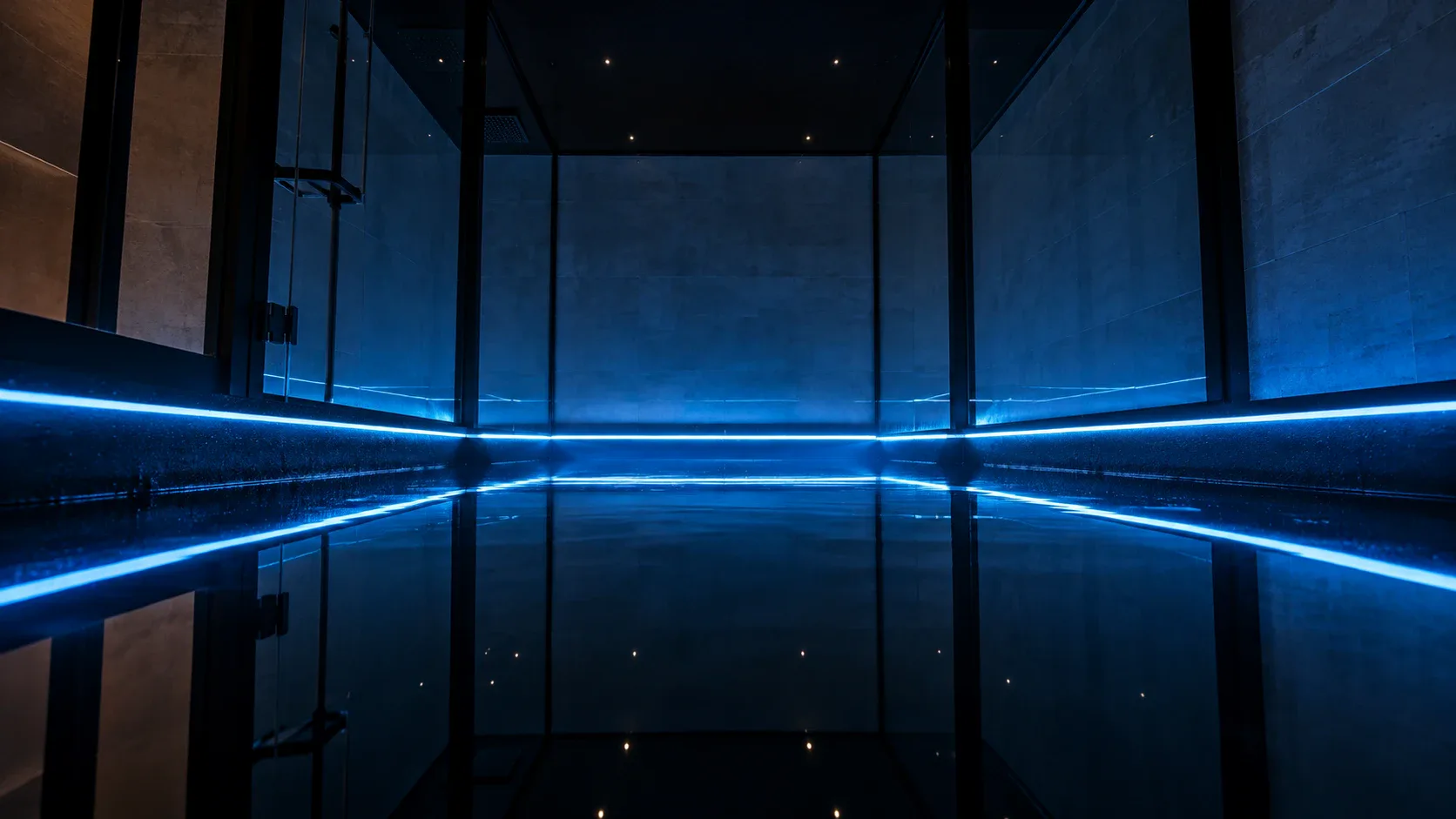
Or try going the other way, with no screen and no signal. In a float session you lie in warm, salt-heavy water with light and sound almost gone. Float therapy is a young but very active research field: randomised controlled trials have shown clear effects on anxiety, stress, muscle tension and sleep, and new clinical studies are still under way. Floats start from 1,500,000 VND for 60 minutes, and we are open 9:00–21:00 daily. If your real goal is less screen time, our digital detox guide may help more than any gadget. For how we rate each method, see the Ōmni Evidence Scale.
Float Vietnam also compares float therapy with meditation apps, a useful read before you pay for either.
FAQ
Should I buy a meditation device?
Only if you know your goal, will use it most days, and have already tried free methods. For most beginners, slow breathing and a free app are the better first step.
Do meditation devices actually work?
The evidence is early. HRV biofeedback training has meta-analyses showing small-to-moderate benefits, mostly with guided programmes. There is no strong proof that home feedback gadgets beat the same practice without them. Frequency wearables have no good independent evidence.
Is a meditation app enough?
For many people, yes. A 2023 meta-analysis of 43 trials found small short-term reductions in anxiety and depression with mindfulness apps. Many apps have free content, so you can test the habit first.
What does “FDA cleared” mean?
It means the FDA reviewed the device and agreed it is as safe and effective as one already legally on the market. “FDA registered” only means the company is listed with the FDA. It is not approval of the product.
Can I buy a Muse headband in Vietnam?
We found no official Vietnamese distributor as of October 2026. Hand-carried units may lack warranty. You can try a Muse 2 before and after a float at Ōmni Space in Thảo Điền.
Who should avoid light-and-sound devices?
Anyone with epilepsy or a history of seizures, people sensitive to flickering light, and anyone unsure should talk to a doctor first. Devices with electrical stimulation are not for people with pacemakers.
Sources
- Lehrer et al. 2020, Heart Rate Variability Biofeedback Improves Emotional and Physical Health and Performance: A Systematic Review and Meta Analysis – Applied Psychophysiology and Biofeedback
- Goessl, Curtiss and Hofmann 2017, The effect of heart rate variability biofeedback training on stress and anxiety: a meta-analysis – Psychological Medicine
- Laborde et al. 2022, Psychophysiological effects of slow-paced breathing at six cycles per minute with or without heart rate variability biofeedback – Psychophysiology
- Linardon et al. 2023, The efficacy of mindfulness apps on symptoms of depression and anxiety: an updated meta-analysis of randomized controlled trials – Clinical Psychology Review
- Economides et al. 2018, Improvements in stress, affect, and irritability following brief use of a mindfulness-based smartphone app – Mindfulness
- Huberty et al. 2019, Efficacy of the mindfulness meditation mobile app “Calm” to reduce stress among college students – JMIR mHealth and uHealth
- Farias et al. 2020, Adverse events in meditation practices and meditation-based therapies: a systematic review – Acta Psychiatrica Scandinavica
- Breathing exercises for stress – NHS
- Insight Timer
- Are there “FDA Registered” or “FDA Certified” medical devices? – US FDA
- Premarket Notification 510(k) – US FDA
- General Wellness: Policy for Low Risk Devices (January 2026) – US FDA
- Health Products Compliance Guidance – US Federal Trade Commission
- OASIS Pro operator’s manual – Mind Alive
- DAVID Delight operator’s manual – Mind Alive
- Transcutaneous electrical nerve stimulation (TENS) – NHS
- Photosensitive epilepsy – Epilepsy Society
- Muse 2 – InteraXon (international store) and Muse Premium
- Inner Balance Coherence Plus – HeartMath
- DAVID Delight Pro – Mind Alive
- roXiva RX1 ordering – roXiva
- Hapbee
- Plugs and voltage in Vietnam – WorldStandards
Leave a Reply