
In short: Float therapy can help you feel less sore and calmer after hard training, but it does not replace sleep, food and smart training load. Small trials in athletes found less soreness and better mood after one float; effects on performance and skill are early evidence. Treat a float as a recovery extra, not the base.
Your watch says 32 km, your legs say much more, and Saigon’s humid air is still sitting on your skin. This guide was written by the team at Ōmni Space – Float Saigon in Thảo Điền for people who train hard in Saigon and Ho Chi Minh City: runners building towards a half or full marathon, gym, CrossFit and Hyrox athletes, and pickleball players. It is general information, not medical advice, checked on 14 October 2026.
What recovery actually needs
Before any float, sauna or ice bath, three basics do most of the work.
- Sleep. A 2021 expert consensus notes that elite athletes often sleep under seven hours, and that a night or more without sleep reduces performance.
- Food and fluids. Refuel and rehydrate after long or hard sessions, even more so in the heat.
- Load. The International Olympic Committee’s consensus calls poor load management, including sudden jumps in training, a major injury risk. Build up gradually.
DOMS, simply explained. Delayed onset muscle soreness is the stiff, tender feeling that typically shows up 24 to 72 hours after hard or unfamiliar training. It is most common after “lengthening” work, such as downhill running or slowly lowering a heavy weight. A classic review advises cutting intensity for one to two days after a very sore-making session, or training other body parts.
Saigon’s heat adds to the bill. A sports-science consensus says heat adds strain and impairs endurance. Its advice: acclimatise over one to two weeks, start sessions well hydrated and limit dehydration. Our Saigon heat guide explains humidity and the warning signs of heat illness.
What the float research says about athletes
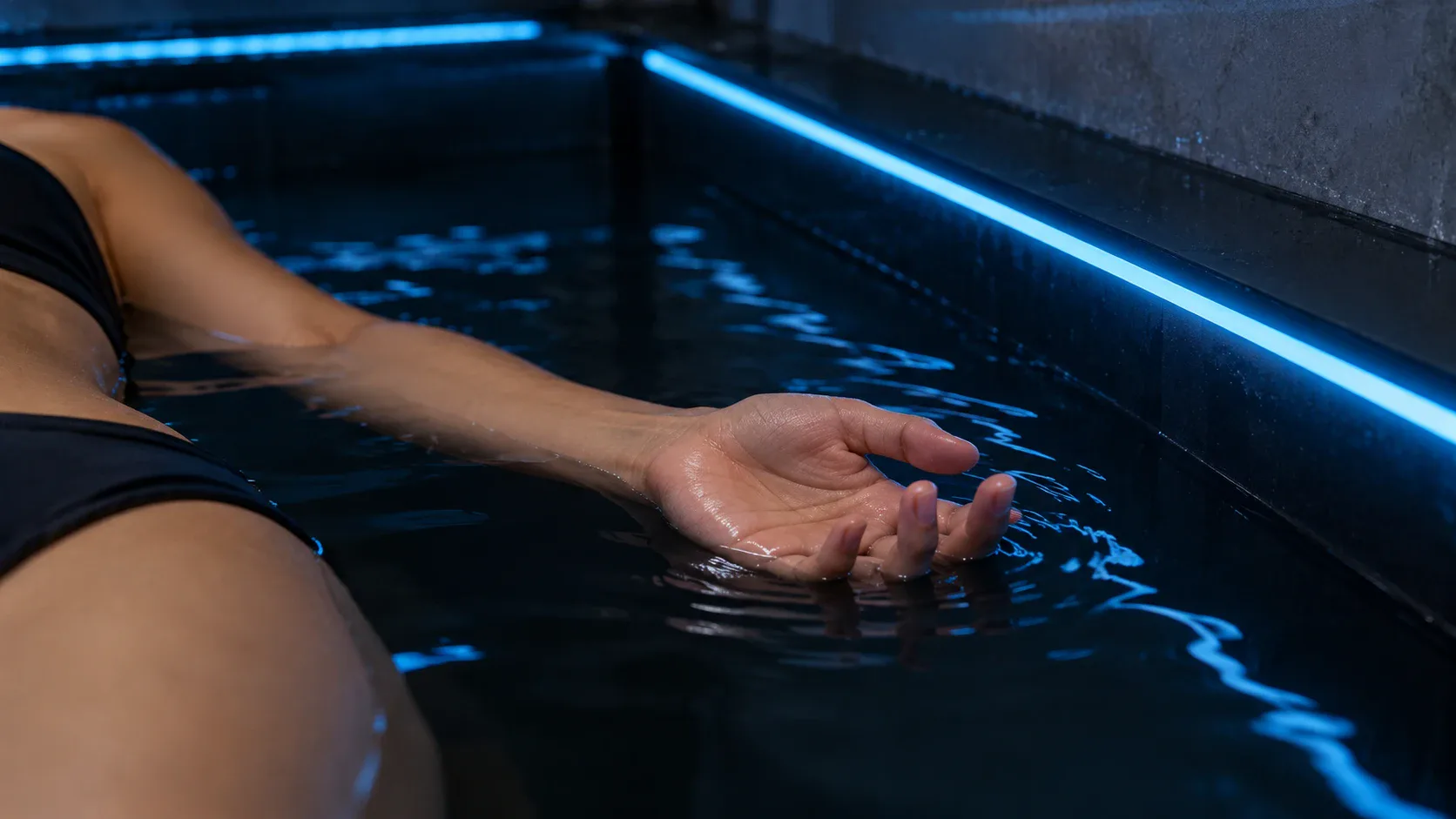
A float means lying in about 25 cm of warm water with 500 kg of Epsom salt, in a quiet room you can make fully dark. Here is what has been tested in people who train.
- Elite athletes, float and nap (Driller & Argus, 2016). 60 elite international athletes (28 men, 32 women) from nine sports did one float of about 45 minutes after training. Afterwards, 15 of 16 mood measures improved and perceived soreness fell. The 27 who dozed off during the float showed small to moderate extra gains on 9 mood measures. Not measured: there was no group without a float, no performance test and no follow-up the next day.
- Team-sport athletes after a basketball-style workout (Broderick et al., 2019). 19 trained men did the same hard session twice, a week apart, followed by one hour of floating or one hour of passive rest. After the float they sprinted 10 m and 15 m slightly faster in the follow-up tests (small to moderate effects; the jump result was unclear), tolerated more pressure on their muscles, reported less soreness and physical fatigue, and rated their sleep quality higher. Not tested: women, or more than one day of recovery.
- Untrained students after leg exercise (Morgan et al., 2013). 24 untrained men did 50 maximal lowering contractions of the knee, then either floated or sat for one hour. Straight after the float, blood lactate and perceived pain were lower, but muscle soreness, strength and heart rate did not differ over 48 hours.
- Heavy squats (Caldwell et al., 2022). 11 resistance-trained men did 6 × 10 back squats, followed by a one-hour float or a control session with normal sensory input, two weeks apart. The float lowered soreness across 48 hours of recovery, most clearly right after the session, and improved mood and fatigue more.
- Tennis (McAleney et al., 1990). 20 university tennis players (10 men, 10 women) used floating plus a mental imagery recording, or imagery alone. The float group improved first-serve accuracy in real matches. Not tested: floating without imagery.
- Archery (Norlander et al., 1999). 20 archers floated for 45 minutes, or sat reading newspapers, before shooting. After the float they felt less effort, the elite archers shot more consistently, and forearm muscle tension was lower. A reviewer called the benefit marginal, as the comparison was weak.
- Newer studies (2024–2025). In a randomised study of 20 highly trained people, a float felt better than a nap, but the nap calmed heart rhythm more. In an observational study of US college athletes, resting heart rate was slightly lower the night after a float; sleep did not change, and 98.7% of 898 athletes surveyed rated the float positively.
Float therapy is a young but very active research field: randomised controlled trials have shown clear effects on anxiety, stress, muscle tension and sleep, and new clinical studies are still under way.
The honest limits. Most athlete studies have 11 to 24 people, often only men, and test one float. People know they are floating, so the treatment cannot be hidden the way a drug trial hides a real pill among sugar pills, and expectation plays a part. None tested a marathon or Saigon’s heat.
Ōmni Evidence Scale: Early evidence, for float and post-exercise mood and perceived soreness. Small trials point the same way, but most tested one float in a few people.
Ōmni Evidence Scale: Early evidence, for float and performance or skill. Sprint, serve and archery gains come from single small studies.
Ōmni Evidence Scale: Promising, for float and stress-related muscle pain in the short term. Small trials saw pain ease soon after floating; see our desk back and neck pain guide.
Ōmni Evidence Scale: Strong evidence, for float and stress. We rate it Strong because, on top of these trials, user experience is overwhelmingly positive: in a 2025 survey of regular floaters, 92% reported relaxation and 77% less stress, echoed by thousands of reviews, Reddit threads and forums, and by athletes and public figures who float. See how we rate evidence on the Ōmni Evidence Scale.
How a float fits a training week in Saigon and Ho Chi Minh City
This table is Ōmni’s suggestion, from the studies above and our guests’ experience, not a study prescription.
| Moment | Float | Around it |
|---|---|---|
| After a long run or race day | 60–90 minutes, that evening or the next day | Eat and drink first. Wait if you have raw blisters or chafing. |
| Taper week | One float you already know, a few days before the race | Do not try your first ever float the day before a race. |
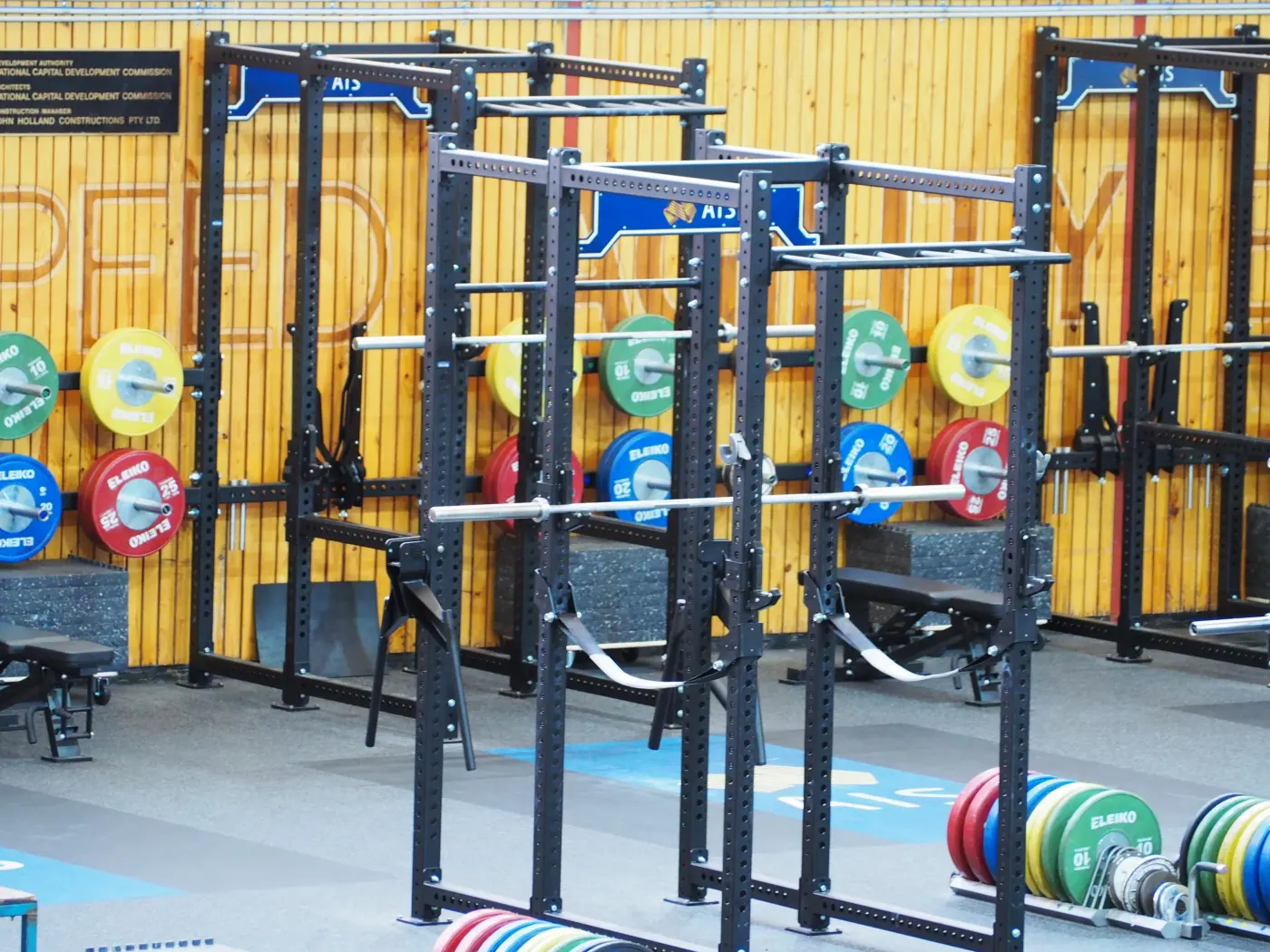
| Heavy gym, CrossFit or Hyrox block | After heavy leg days, or the day after | Keep a cold plunge away from right after lifting (see below). |
| Rest day | 90 minutes, with infrared sauna before if you like | Easy walk; early night. |
About napping in the float. In Driller’s study, athletes who dozed off during the float felt a little better than those who stayed awake. That group split was not randomised, so treat it as early evidence. A 2021 review of 37 napping studies in athletes suggests naps of 20 to 90 minutes may help. If you drift off in the water, let it happen.
See how often to float, what float therapy is and before your first float.
Sauna, cold plunge and float: what order?
- Cold and muscle gains. In Roberts and colleagues (2015), 21 men strength-trained for 12 weeks; those who sat in cold water for 10 minutes after each session gained less strength and muscle than those who did an active cool-down. If you lift to grow, plunge on rest days.
- Cold and soreness. For soreness between races or games, cold water has more support: we rate cold plunge for muscle recovery as Promising. Details are in our ice bath guide.
- Hot and cold. Contrast therapy is covered in our contrast therapy guide, and heat in the sauna guide.
- Our usual order. No study has tested the best order. Many guests warm up in the infrared sauna, then float to wind down.
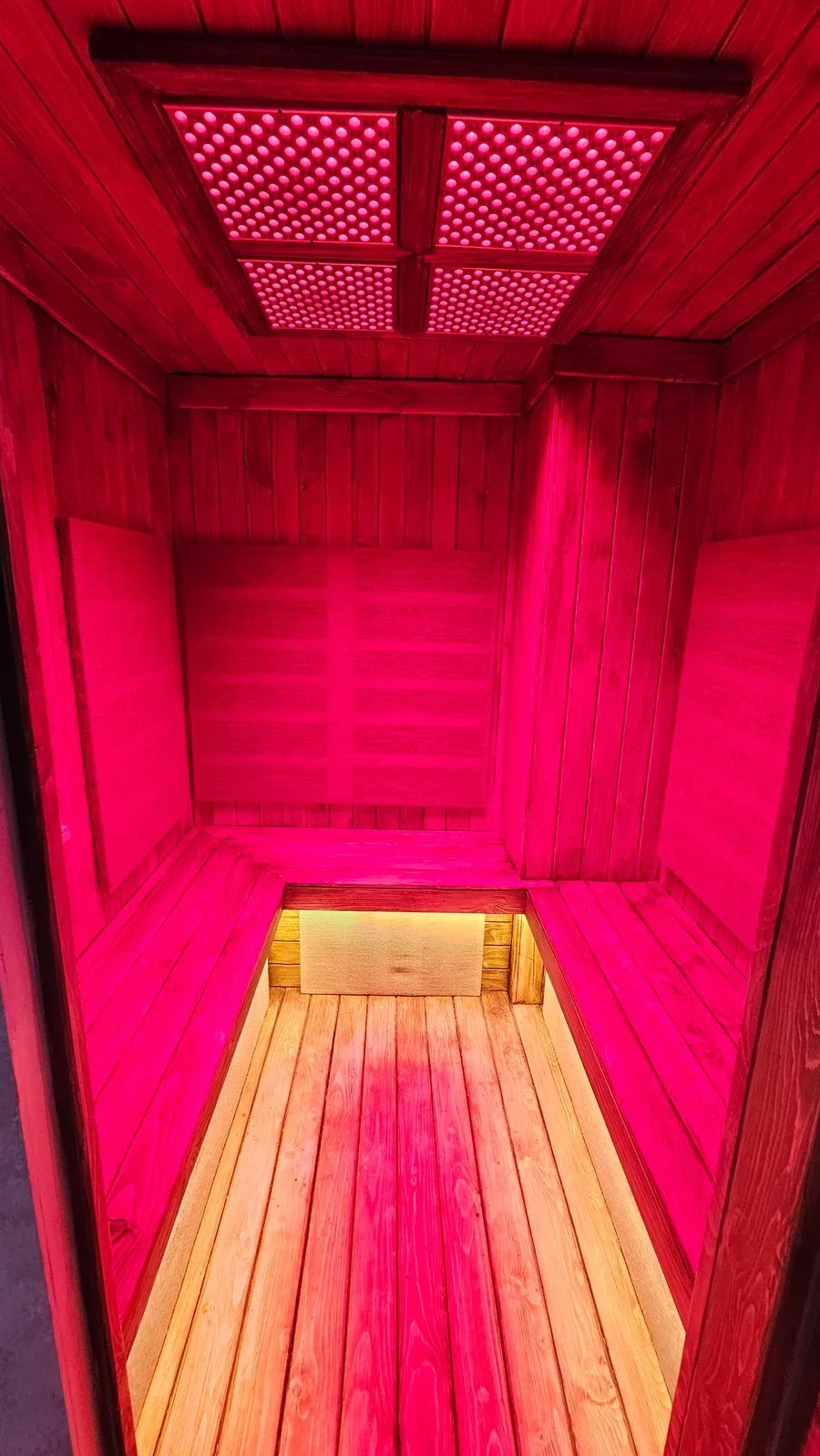
The infrared sauna (45–55°C, 45 minutes) and cold plunge (11–15°C, 30 minutes) are 450,000 VND each on their own, or +200,000 VND each with a float. A sauna and cold plunge room for up to four people is 900,000 VND (60 minutes). See the infrared sauna and cold plunge pages.
Running in Saigon: clubs, races and the recovery trend
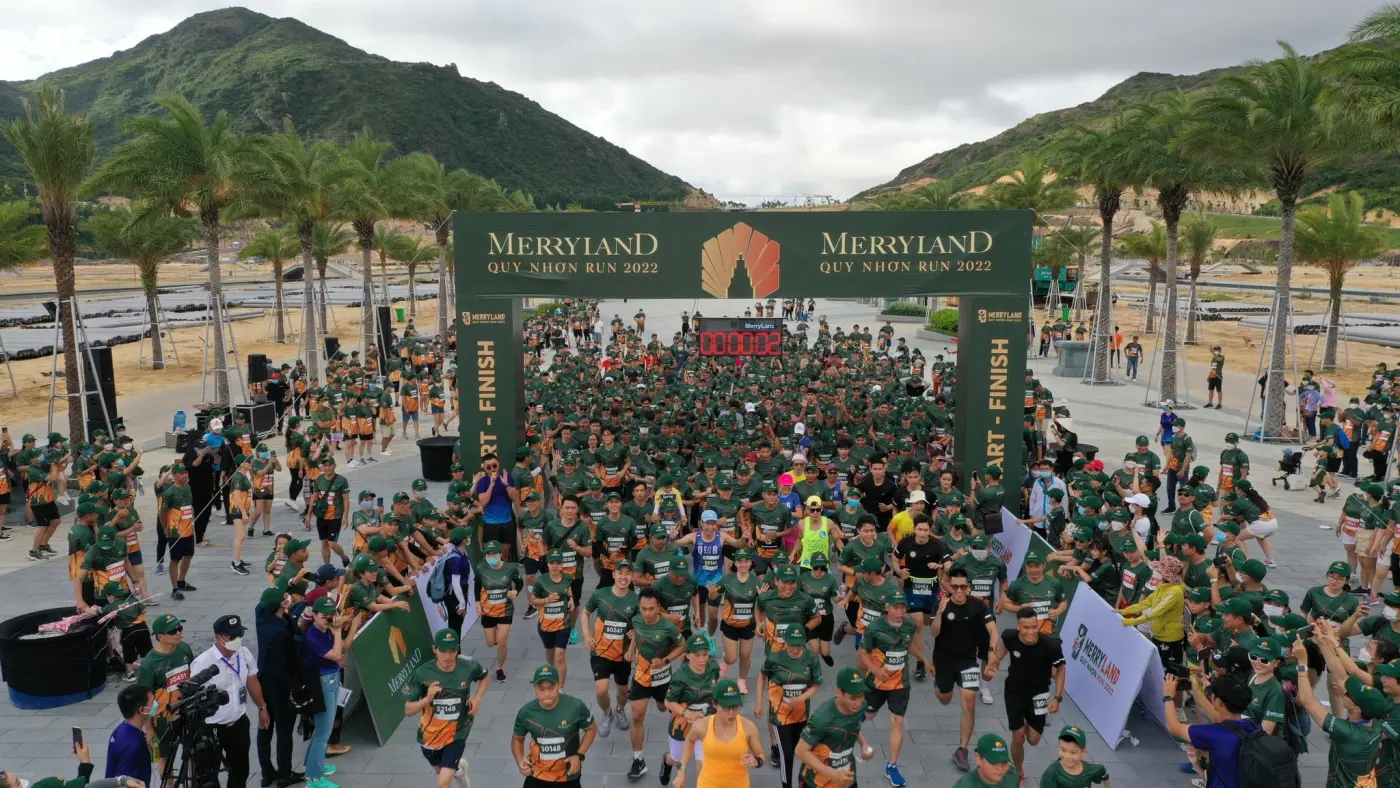
In Saigon, a run is rarely just a run. Clubs meet on weekday evenings around 19:00 and weekend mornings from about 5:30, often ending with coffee; Runclub.VN, founded in 2013, runs six days a week. Recovery is now part of the plan: some Thảo Điền groups follow a run with sauna and ice bath, and a Saturday pickleball group ends in the ice bath. Strava reported that new running clubs on its app grew 3.5 times in 2025. See also biohacking in Ho Chi Minh City and Pilates Day Vietnam.
Race calendar. The Techcombank Ho Chi Minh City International Marathon lists 6 December 2026 (42.195 km, 21.1 km, 10 km, 5 km and kids’ runs, at The Global City). The HCMC Marathon’s official site lists 17 January 2027 (42, 21 and 10 km, start and finish at 30/4 Park, Lê Duẩn). Dates can change, so check the official sites.
Prices and packages
| Option | What you get | Price |
|---|---|---|
| Single float | 60 / 90 / 120 minutes | 1,500,000 / 2,000,000 / 2,500,000 VND |
| Introduction Package | 3 × 90-minute floats, sauna included, valid for 3 months from your first float (start within 1 year of purchase), for one person (not shareable) | 3,000,000 VND |
| Renew membership | 5 × 90-minute floats, valid 3 months | 4,500,000 VND |
| Sustain membership | 9 × 90-minute floats, valid 6 months | 8,000,000 VND |
During a marathon block, Renew or Sustain suits a float every week or two. Memberships can be bought back-to-back.
Safety
- Float is not medical treatment. For injuries or pain that does not settle, see a doctor or physiotherapist.
- Fresh injuries, open wounds, blisters, chafing or a recent tattoo: wait until healed. The salt is strong and stings broken skin.
- Hydration: drink before and after, especially after running in the heat or adding sauna. Signs of heat illness need medical care, not a float.
- Pregnancy: ask your doctor first, tell us when you book, and skip sauna and cold plunge without your doctor’s OK.
- Health questionnaire: fill it in fully and honestly at every visit.
- Epsom salt: it is magnesium sulfate, and its job is to hold you up. Research has not shown that magnesium passes through the skin.
Where to try it in Saigon
Ōmni Space – Float Saigon is at 16C Quốc Hương, Thảo Điền, open 9:00–21:00 every day. Allow about 30 extra minutes for a short guide and showers. Soundproof glass doors block light, you control the lights, every guest gets earplugs, and a Halo neck pillow is available. See our services page. Physiotherapists, coaches and run clubs across the city cover the training side.
Float PlanBody tight from sitting or training?Take the one-minute Float Plan quiz: tell us how you feel and what you need, and get a simple plan for your first session.Make my Float PlanFAQ
Does float therapy help muscle recovery after running or the gym?
It may help you feel less sore and in a better mood. Small trials found less perceived soreness after one float, but most tested 11 to 24 people. Sleep, food and sensible training load still matter most.
When should I float after a marathon or long run?
The same evening or the next day, after you have eaten and rehydrated. Wait if you have raw blisters or chafing, because the salt stings.
Can I use the sauna or cold plunge on the same day as a float?
Yes. Many guests use the sauna first, then float. If you lift to build muscle, avoid a cold plunge right after lifting: a 12-week study found it reduced strength and muscle gains.
Will floating make me faster or more accurate?
Possibly, but the evidence is early. Single small studies found slightly faster sprints, better tennis serves and steadier archery. None tested a marathon.
How much does a float cost in Ho Chi Minh City?
A single float is 1,500,000 / 2,000,000 / 2,500,000 VND for 60 / 90 / 120 minutes. The Introduction Package (three 90-minute floats, sauna included) is 3,000,000 VND.
Sources
- Walsh NP et al. (2021). Sleep and the athlete: narrative review and 2021 expert consensus recommendations. British Journal of Sports Medicine 55(7): 356–368.
- Soligard T et al. (2016). How much is too much? (Part 1) International Olympic Committee consensus statement on load in sport and risk of injury. British Journal of Sports Medicine 50(17): 1030–1041.
- Cheung K, Hume P, Maxwell L (2003). Delayed onset muscle soreness: treatment strategies and performance factors. Sports Medicine 33(2): 145–164.
- Mágero NRL, Helito PVP, Bordalo M (2026). Imaging characterization and differential diagnosis of delayed-onset muscle soreness (DOMS) in athletes. Skeletal Radiology.
- Racinais S et al. (2015). Consensus recommendations on training and competing in the heat. British Journal of Sports Medicine 49(18): 1164–1173.
- Driller MW, Argus CK (2016). Flotation restricted environmental stimulation therapy and napping on mood state and muscle soreness in elite athletes: a novel recovery strategy? Performance Enhancement & Health 5(2): 60–65.
- Broderick V, Uiga L, Driller M (2019). Flotation-restricted environmental stimulation therapy improves sleep and performance recovery in athletes. Performance Enhancement & Health 7(1–2): 100149.
- Morgan PM, Salacinski AJ, Stults-Kolehmainen MA (2013). The acute effects of flotation restricted environmental stimulation technique on recovery from maximal eccentric exercise. Journal of Strength and Conditioning Research 27(12): 3467–3474.
- Caldwell LK et al. (2022). Acute floatation-REST improves perceived recovery after a high-intensity resistance exercise stress in trained men. Medicine & Science in Sports & Exercise 54(8): 1371–1381.
- Kraemer WJ et al. (2024). Endogenous opioid peptides after floatation therapy in resistance-trained men. Journal of Strength and Conditioning Research 38(10): 1808–1812.
- McAleney PJ, Barabasz A, Barabasz M (1990). Effects of flotation restricted environmental stimulation on intercollegiate tennis performance. Perceptual and Motor Skills 71(3): 1023–1028.
- Norlander T, Bergman H, Archer T (1999). Primary process in competitive archery performance: effects of flotation REST. Journal of Applied Sport Psychology 11(2): 194–209.
- Coaching Science Abstracts (San Diego State University). Flotation-REST has marginal benefits for archers.
- Besson C et al. (2024). Comparison of 1-hour floatation-REST versus conventional napping on heart rate variability in active individuals. BMJ Open Sport & Exercise Medicine 11(1): e002292.
- Vatne E et al. (2025). Effects of daytime floatation-REST on nocturnal cardiovascular physiology, sleep, and subjective recovery in collegiate student-athletes: a comprehensive observational study. Journal of Strength and Conditioning Research 39(8): 857–867.
- Lastella M et al. (2021). To nap or not to nap? A systematic review evaluating napping behavior in athletes and the impact on various measures of athletic performance. Nature and Science of Sleep 13: 841–862.
- Roberts LA et al. (2015). Post-exercise cold water immersion attenuates acute anabolic signalling and long-term adaptations in muscle to strength training. The Journal of Physiology 593(18): 4285–4301.
- Gröber U, Werner T, Vormann J, Kisters K (2017). Myth or reality: transdermal magnesium? Nutrients 9(8): 813.
- Hilpert K, Chis Ster I (2025). Experiences and perceptions of regular floatation-REST users: results from an online survey. Journal of Clinical Images and Medical Case Reports 6(5): 3600.
- Viet Nam News (2025). HCMC expat’s running club a nod to healthier lifestyles.
- BIKE Magazin (2025). Strava’s 2025 annual report (Year in Sport club figures).
- Techcombank. Giải chạy Techcombank: Hà Nội mùa 5 và TP.HCM mùa 9 (race dates and distances).
- HCMC Marathon. Official race site (HCMC27).
Leave a Reply