
In short: Xông lá is Vietnam’s home herbal steam: you sit over a pot of boiled aromatic leaves, such as lemongrass, perilla and pomelo, under a blanket, breathe the vapour and sweat, usually at the first sign of a cold. It can feel soothing, but there is no good clinical evidence that it treats illness, and scalds are a real risk, especially for children. Keep it short and careful, and never use it instead of medical care.
This guide was written by the team at Ōmni Space in Thảo Điền, Ho Chi Minh City. We look at wellness practices in Vietnam through one question: what does this do for the nervous system, and how strong is the evidence? Xông lá is one of the oldest and most loved of them. To be clear from the start: Ōmni does not offer xông lá. We wrote this because so many guests, Vietnamese and foreign, ask us about it. This is general information, not medical advice.
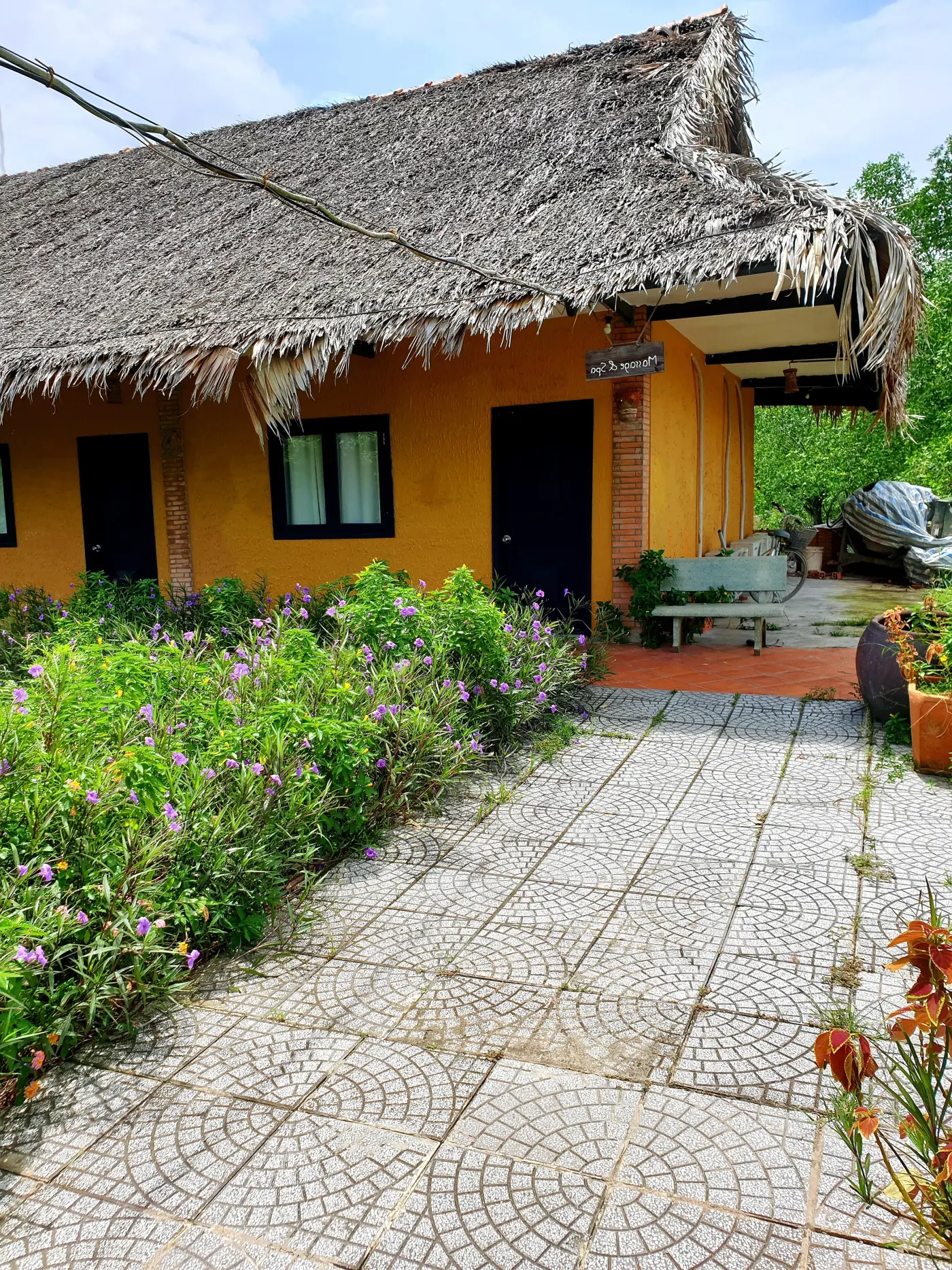
What xông lá is
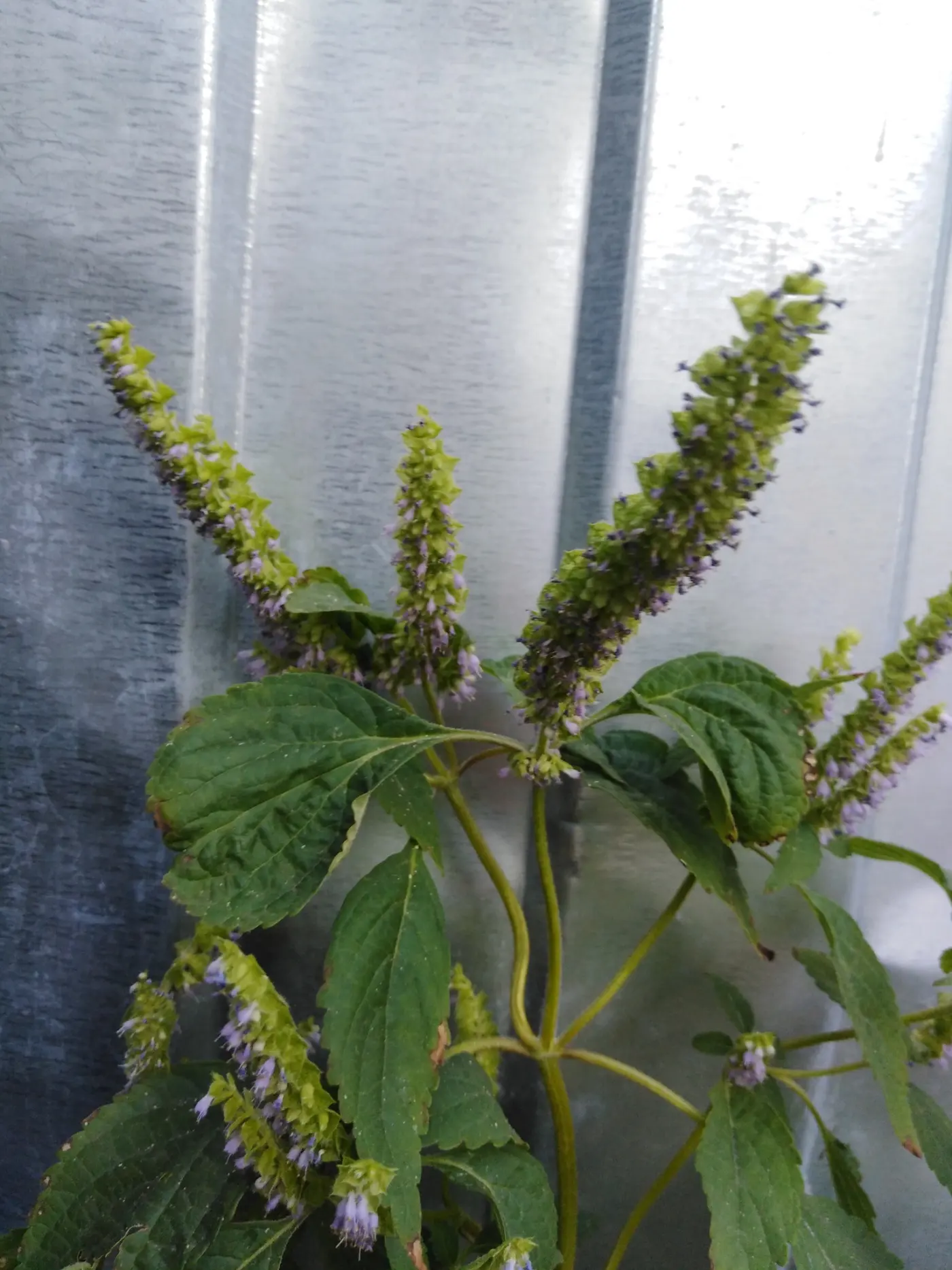
Xông lá means “steaming with leaves”; people also say xông hơi (steaming) or simply nồi xông (the steam pot). A family boils a pot of fresh, fragrant leaves. The person who feels unwell sits beside it, covered by a blanket or a large towel, breathes in the scented steam and sweats. Some people cover the whole body; others only lean their face over the pot (VnExpress, 2021).
It belongs to thuốc Nam, the Vietnamese folk-herbal tradition, and it is used above all at the start of a cold: a blocked nose, a heavy head, aching limbs. Vietnamese guidance says to steam only in the first one or two days of a cold (VOV, 2013). In the traditional view, the vapour opens the airways and the sweating helps the body “release” the illness. Herbalist Bùi Đắc Sáng, quoted by VnExpress, says the vapour from medicinal leaves can clear the airways and ease discomfort; Dr Huỳnh Tấn Vũ of the University Medical Center in Ho Chi Minh City calls steaming helpful for cough, fever and easier breathing. These are expert opinions, not trial results, and we come back to the evidence below.
For many Vietnamese people the strongest memory is not the herbs at all, but being cared for: a parent boiling the pot, tucking the blanket in, waiting with a dry towel. That part is real, and it matters.
A tradition shared across Southeast Asia
Herbal steam is not unique to Vietnam. In Laos, researchers who interviewed women from three ethnic groups recorded 55 plant species used in women’s healthcare, over 90% of them in recovery after childbirth, through diet, medicine, herbal steam baths and “mother roasting”, where mother and baby rest above embers scattered with aromatic plants (de Boer and Lamxay, 2009). In Minahasa, Indonesia, a postnatal herbal steam bath called bakera uses 60 recorded plant species; eight of the ten most often named are essential-oil plants, usually grown in kitchen gardens as spices (Zumsteg and Weckerle, 2007).
The habit also travels with the diaspora. In a survey of 360 Vietnamese-American families in California whose children had asthma, 38.1% used some complementary or alternative therapy, and steam inhalation was among the most common, alongside oils, massage, coining and cupping (Berg et al., 2016). Most families still preferred the treatment their doctor prescribed.
Common leaves in the pot
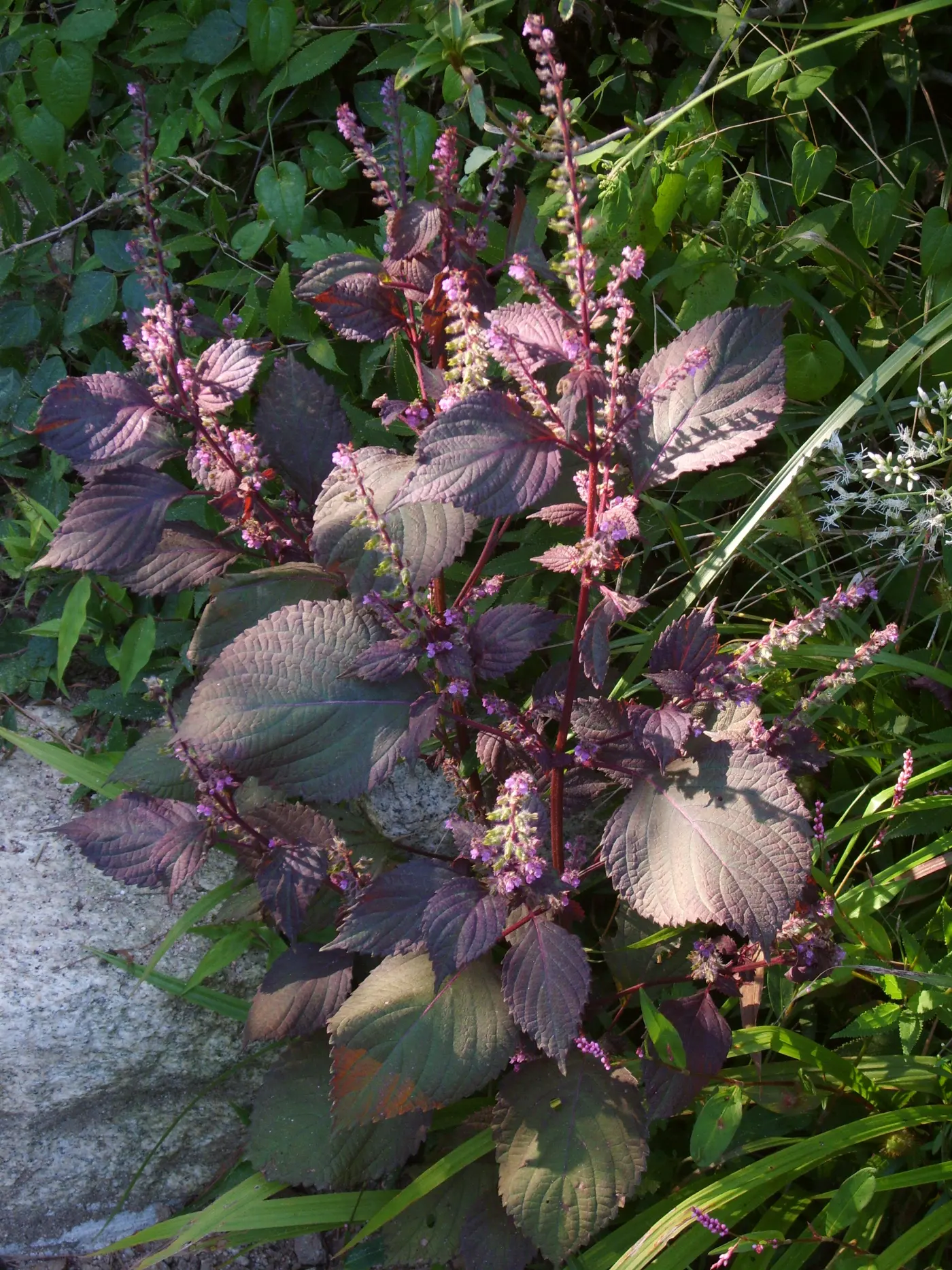
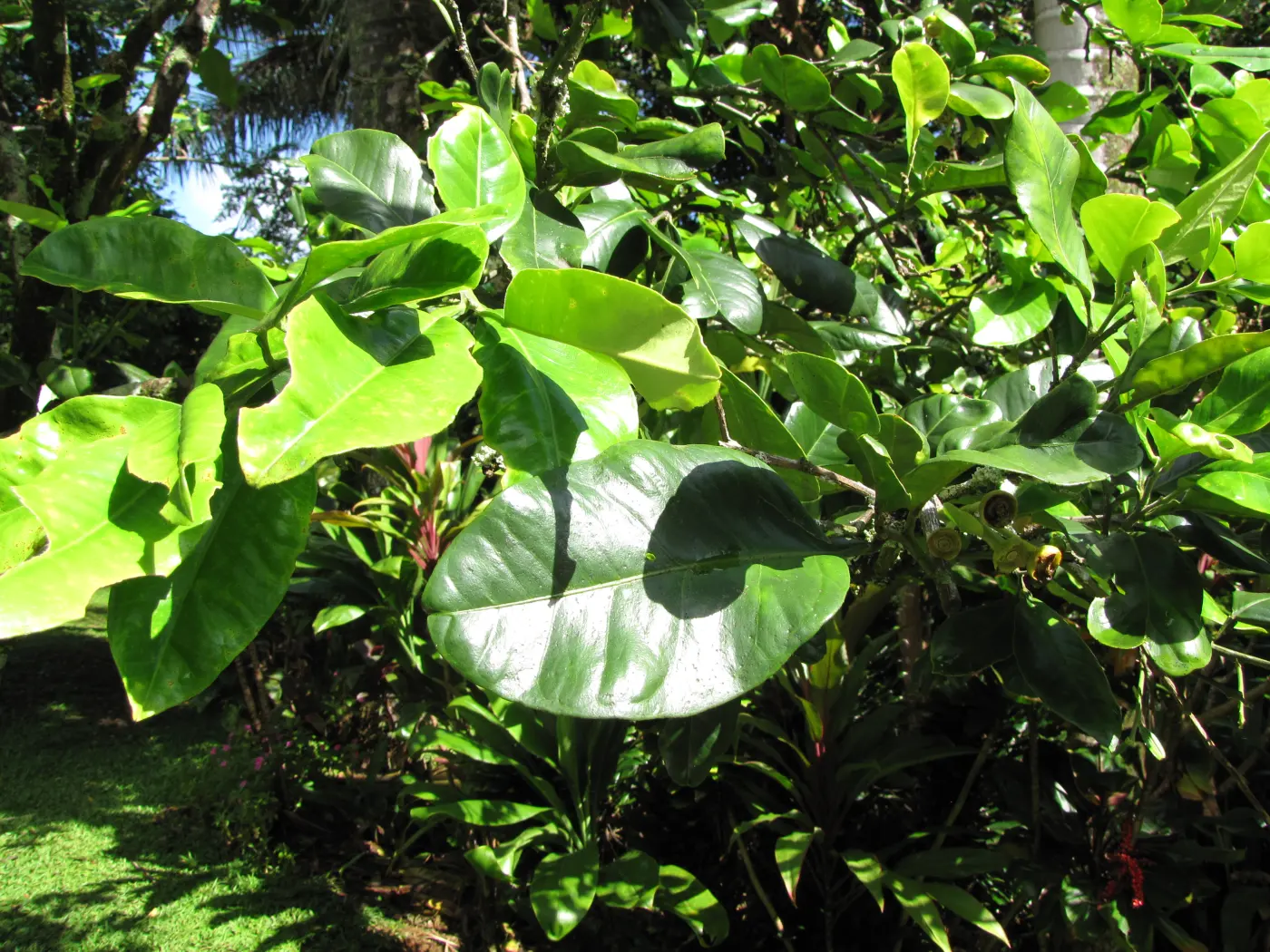
There is no single recipe; every family has its own. The leaves below are the ones named most often by Vietnamese medical sources. Most are fragrant kitchen herbs rich in essential oils, which is where the strong smell comes from. Mint is usually added near the end, because long boiling drives off its oil (Vinmec, 2024).
| Vietnamese name | In English | Scientific name | Named by |
|---|---|---|---|
| Sả | Lemongrass | Cymbopogon citratus | VnExpress; Vinmec |
| Tía tô | Perilla | Perilla frutescens | VnExpress; Vinmec |
| Kinh giới | Vietnamese balm | Elsholtzia ciliata | VnExpress; Vinmec |
| Hương nhu | A basil relative | Ocimum species | VnExpress; Vinmec |
| Bạc hà | Mint | Mentha species | VnExpress; Vinmec |
| Lá bưởi | Pomelo leaves | Citrus maxima | VnExpress |
| Lá chanh | Lime or lemon leaves | Citrus species | VnExpress |
| Ngải cứu | Mugwort | Artemisia species | Vinmec |
Lab studies on these plants’ oils exist, but they tell us what the oils do in a test tube, not what happens to a person breathing steam for 15 minutes. Use leaves you know well, from a clean source, and skip anything you are allergic to.
How people do it at home
Here is the method described by Vietnamese health sources, with the safety points they stress:
- Prepare the leaves. About 200–300 g of mixed leaves to 2–3 litres of water. Bring the water to the boil, add the essential-oil leaves, cover, and boil for another 10–15 minutes (VnExpress, 2021).
- Set up safely. Put the pot on a stable, flat surface on the floor, never on your lap or on a wobbly stool, and keep children and pets out of the room.
- Open the lid slowly. Lift it a little at a time so the heat does not rise all at once, and keep your face far enough away that the steam does not hit your skin directly (VOV, 2013; Vinmec, 2024).
- Keep it short. Around 10–20 minutes. Vinmec says never more than 30 minutes, and not over and over again, which can dry you out.
- Have someone nearby. Stop at once if you feel dizzy, short of breath, tight in the chest or weak (Vinmec; VOV).
- Afterwards: wipe off the sweat, change into dry clothes, stay out of cold wind and drink some water (VnExpress; Vinmec). Sources differ on when to shower, so simply wait until you have cooled down and dried off.
Safety: who should skip it
The biggest danger is not the herbs but the boiling water. In the Netherlands, burn centres admit on average three people a year for scalds from steam inhalation; most are children, and children needed skin grafts more often than adults (Baartmans et al., 2012). The authors concluded that steam inhalation should no longer be recommended. Vietnamese medical sources also list people who should not steam:
- Children under 12 (Vinmec), and people with serious mental illness (Vinmec; VOV).
- Pregnant women (Vinmec; VOV; VnExpress) and, in Vietnamese guidance, women during their period.
- People with heart disease or high, low or unstable blood pressure (Vinmec; VOV; VnExpress).
- Anyone dehydrated: with high fever, heavy sweating, diarrhoea or blood loss (Vinmec; VnExpress).
- Older or frail people and those just recovering from illness (Vinmec; VOV).
- After alcohol or medicines, on a full or empty stomach, or when exhausted (VOV).
Not a replacement for medical care. Steam does not treat flu, COVID-19, dengue or any other infection. A high fever, trouble breathing, chest pain, confusion or symptoms that keep getting worse need a doctor, not a steam pot. If you are unsure, ask first.
What the evidence says
We searched for clinical trials of xông lá itself and found none. The closest research is on plain steam for colds. A Cochrane review (a careful summary of all good trials on a question) found six trials with 387 people and could not say whether heated, humidified air relieves cold symptoms: the results depended on the method of analysis, and the quality of evidence was low. One trial found no difference in the amount of virus in the nose. Some people reported minor nose discomfort (Singh et al., 2017).
Against that unclear benefit sits a clear risk of scalds. So we respect xông lá as heritage and as a ritual of care, and we believe the warmth, the scent and the attention can genuinely feel good. But there is no good evidence that it treats any illness.
Ōmni Evidence Scale: No good evidence yet. We found no clinical trials of xông lá, and a Cochrane review could not show that steam relieves cold symptoms.
Xông lá, Finnish sauna and infrared sauna compared
People often lump all “steaming” together, but these are different experiences with very different research behind them. Our sauna guide goes deeper; here is the short version.
| Xông lá | Finnish sauna | Infrared sauna | |
|---|---|---|---|
| How it heats | Steam from a pot of boiled leaves, under a blanket | Hot air and stones heat the whole room | Infrared panels warm the body more directly |
| Air | Moist and scented | Dry, with bursts of steam | Dry, gentler to breathe |
| Where | Usually at home | Saunas, gyms, social sauna clubs | Spas and wellness centres |
| Main risk | Scalds from boiling water and steam | Overheating, dehydration | Overheating, dehydration |
| Ōmni Evidence Scale | No good evidence yet | Promising (long-term studies of Finnish men, observational) | Early evidence (small trials) |
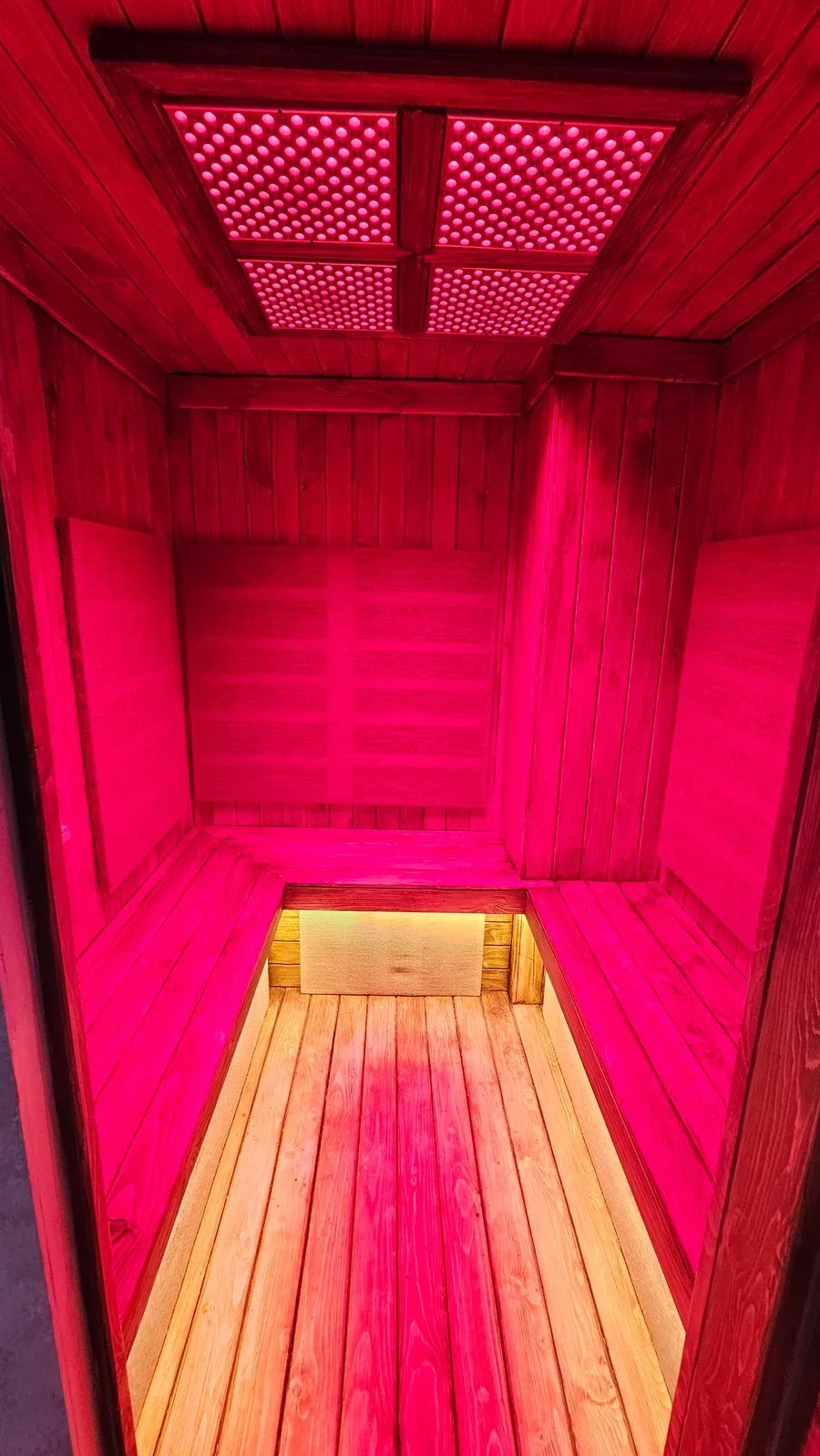
If you like the idea of a calm, warm session without the boiling pot, an infrared sauna is one alternative: the heat is dry, the air temperature is lower than in a Finnish sauna, and there is no open water to spill. Ōmni’s private infrared sauna runs at 45–55 °C for 45 minutes. The same cautions apply: skip it after alcohol, and ask a doctor first if you are pregnant or have a heart condition.
Where to try it in Saigon
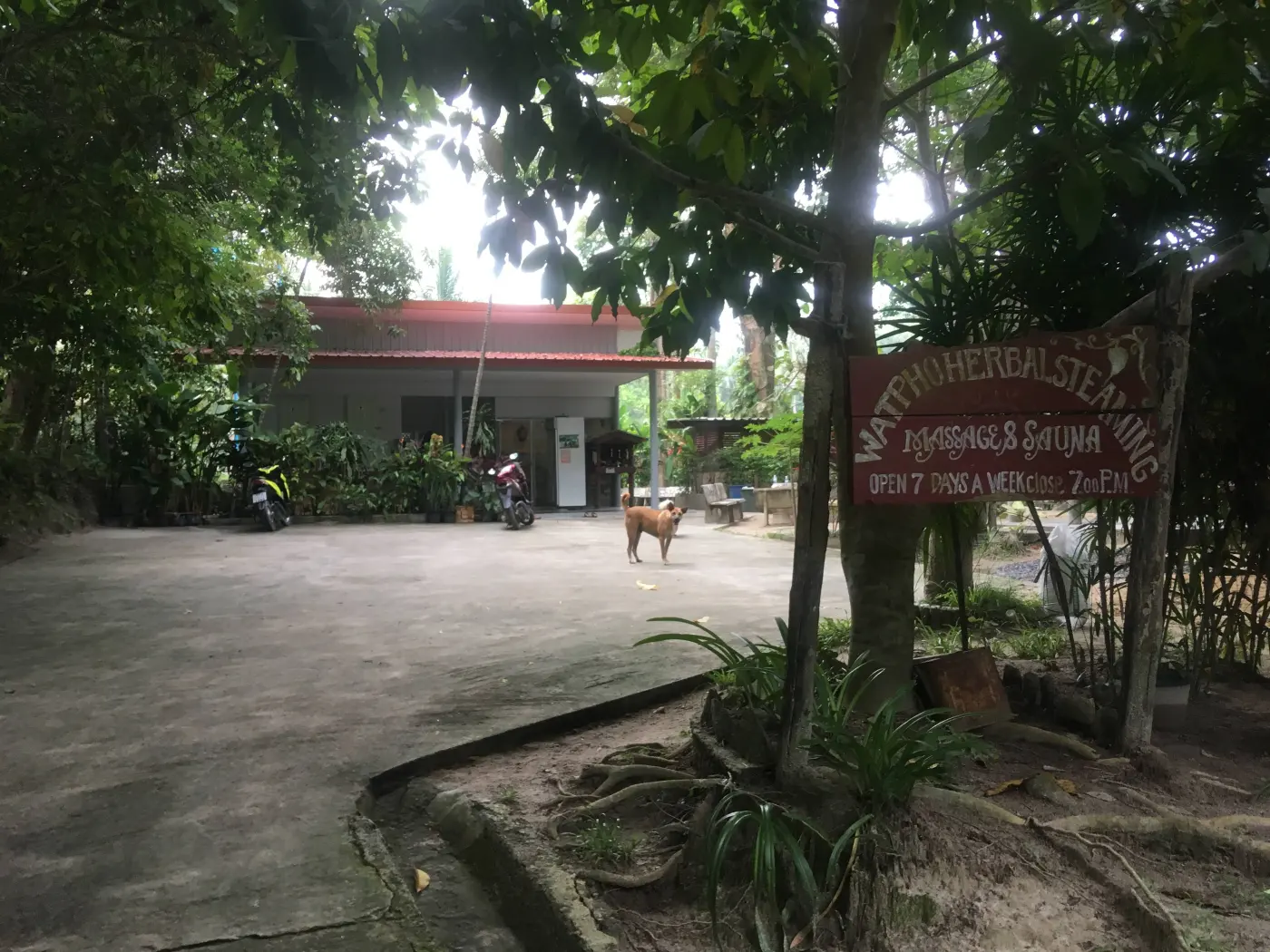
Most xông lá happens at home, and the kindest way to try it is with a Vietnamese friend or family who has done it for years. We could not verify any venue in our Saigon Wellness Map that offers traditional herbal-leaf steam. Several places list steam rooms, and you can ask whether they add herbs:
- Temple Leaf Sauna & Spa, 32 Thái Văn Lung, District 1: massage packages with sauna, steam room and hot spa.
- Sả Spa & Onsen, 60 Sương Nguyệt Anh, District 1: a private onsen area with sauna, steam room and cold plunge.
- Golden Lotus Healing Land, Phú Mỹ Hưng, District 7: a Korean-style jjimjilbang with steam and sauna rooms.
- Onsen Wellness Việt, 334A Nguyễn Trọng Tuyển, Tân Bình: private mineral onsen tubs and a jjimjilbang-style steam area.
- Mộc Hương Wellness Thảo Điền, 61 Xuân Thủy: massage alongside Vietnamese herbal treatments; ask what they include.
We list these neutrally and do not rate them. For a wider guide to heat in the city, see our visitor’s guide to saunas in Ho Chi Minh City. If you would rather try dry heat, the infrared sauna at Ōmni Space (16C Quốc Hương, Thảo Điền, open daily 9:00–21:00) costs 450,000 VND alone or 200,000 VND extra with a float; see services and prices. Our Evidence Scale explains how we rate each practice.
FAQ
Does xông lá cure a cold?
There is no good evidence that it does. We found no clinical trials of xông lá itself, and a Cochrane review of steam for the common cold could not say whether it relieves symptoms. Many people find it comforting; treat it as comfort, not cure.
Is xông lá safe for children?
Vietnamese hospital guidance says children under 12 should not do it, and Dutch burn-centre data show that most people scalded by steam inhalation are children. Keep pots of boiling water well away from kids.
Can I do xông lá while pregnant?
Vietnamese health sources list pregnancy as a reason not to steam. Ask your doctor before any heat treatment, including sauna.
How long should a session last?
Vietnamese sources suggest about 10–20 minutes, never more than 30, and stopping at once if you feel dizzy, short of breath or weak. Afterwards, dry off, change into dry clothes and drink some water.
Is xông lá the same as a sauna?
No. Xông lá is moist, scented steam from boiled leaves, usually under a blanket. A Finnish sauna heats a whole room with hot air and stones; an infrared sauna warms the body with infrared panels at lower air temperatures. The research behind each is different.
Does Ōmni Space offer xông lá?
No. We do not offer herbal steam. If you would like to try something similar in the city, see the steam rooms listed in the section above and ask each venue whether they use herbs.
Sources
- VnExpress. Xông hơi giảm ho, cảm, sổ mũi (quoting Dr Huỳnh Tấn Vũ, University Medical Center HCMC, and herbalist Bùi Đắc Sáng), 21 August 2021.
- Vinmec. Ai không nên xông hơi trị cảm cúm?, updated 22 July 2024.
- VOV (after Sức khỏe & Đời sống). Trường hợp nào không nên xông lá?, 4 December 2013.
- Singh M, Singh M, Jaiswal N, Chauhan A. Heated, humidified air for the common cold. Cochrane Database of Systematic Reviews, 2017.
- Baartmans M, Kerkhof E, Vloemans J et al. Steam inhalation therapy: severe scalds as an adverse side effect. British Journal of General Practice, 2012.
- Berg J, Morphew T, Tran J, Kilgore D, Galant SP. Prevalence of complementary and alternative medicine usage in Vietnamese American asthmatic children. Clinical Pediatrics, 2016.
- de Boer H, Lamxay V. Plants used during pregnancy, childbirth and postpartum healthcare in Lao PDR: a comparative study of the Brou, Saek and Kry ethnic groups. Journal of Ethnobiology and Ethnomedicine, 2009.
- Zumsteg IS, Weckerle CS. Bakera, a herbal steam bath for postnatal care in Minahasa (Indonesia): documentation of the plants used and assessment of the method. Journal of Ethnopharmacology, 2007.
Leave a Reply