
In short: Visualization, or mental imagery, is one of the better-studied tools in sport psychology. By vividly rehearsing a movement in your mind, you can improve how you perform it, especially when you combine imagery with real practice. A float room gives you an unusually quiet place to try: no light, no sound, and almost no sense of weight. Research combining floating and sport is still small and mixed, but the recovery findings are encouraging. Athletes tend to report better mood and less muscle soreness after floating. At Ōmni Space in Thảo Điền, Saigon, a 60-minute float costs 1,500,000 VND and a 90-minute float costs 2,000,000 VND. You can also add a cold plunge when you book.
Think about the last few seconds before a free throw. Or the moment a runner decides whether to push harder on the final climb. The body has done the training, but what happens next depends just as much on the mind. Athletes spend hours building stronger legs, faster lungs and steadier hands. Yet the mind that brings it all together often gets far less attention. What if you could give it a place to practise, away from everything else? That’s where visualization and floating come together. In this guide, we’ll look at what mental imagery actually does, why athletes have tried practising it in warm Epsom salt water, what the research really says, and how you can try it for yourself in Saigon.
What visualization actually is
Visualization sounds simple enough: close your eyes and picture yourself doing something well. But in sport psychology, mental imagery goes much further than that. You’re not just watching yourself succeed in your imagination. You’re rehearsing the movement as though you’re really there. Feel the racket in your hand. Hear your shoes against the court. Notice your breathing before the serve, or the effort in your legs during the last kilometre. The closer your imagined movement feels to the real thing, in sensation and speed, the more it tends to help.
And there’s good research behind it. A 2021 meta-analysis by Simonsmeier and colleagues brought together imagery studies across different sports and found a medium-sized benefit for motor performance, along with improvements in motivation and mood. Two things are worth remembering. Imagery tends to work best alongside physical practice, rather than replacing it. And athletes who practised imagery more often tended to see greater gains. Much like physical training, mental rehearsal is something you can get better at through regular practice.
The tricky part is finding the space to do it. You sit down to imagine a perfect race, and your phone lights up. There’s a conversation nearby. Your legs are still reminding you about yesterday’s workout. It’s hard to concentrate on the movement in your mind when so many other things are asking for your attention.
Why a float room is a quiet place to practise
Imagine lying on your back in about 25 cm of water, warmed to nearly the same temperature as your skin. Dissolved in that water is roughly 500 kg of dense, mineral-rich Epsom salt, enough to hold you effortlessly at the surface. There’s nothing you need to do to stay afloat. You can switch off the light, and the room is quiet. With so little demanding your attention, even the usual effort of supporting your own body seems to disappear. If this sounds unfamiliar, our guide to What Is Float Therapy? explains how it all works.
Back in the 1980s and 1990s, researchers began asking an interesting question: could athletes practise mental imagery more effectively in a float tank? The idea was that a deeply relaxed body, with fewer distractions coming from the outside world, might make an imagined movement easier to experience in vivid detail. Float research has since become an active field with clear effects on stress and muscle tension. That’s already part of what makes it interesting for athletes. But whether floating gives mental imagery an additional advantage is a more specific question, and one researchers are still exploring.
What the float and sport studies found
So, does visualizing in a float tank actually make you a better athlete? The research gives us reasons to be curious, but not enough to make a sweeping claim. Most of these studies were small, several are quite old, and the results don’t all agree. Here’s what they found.
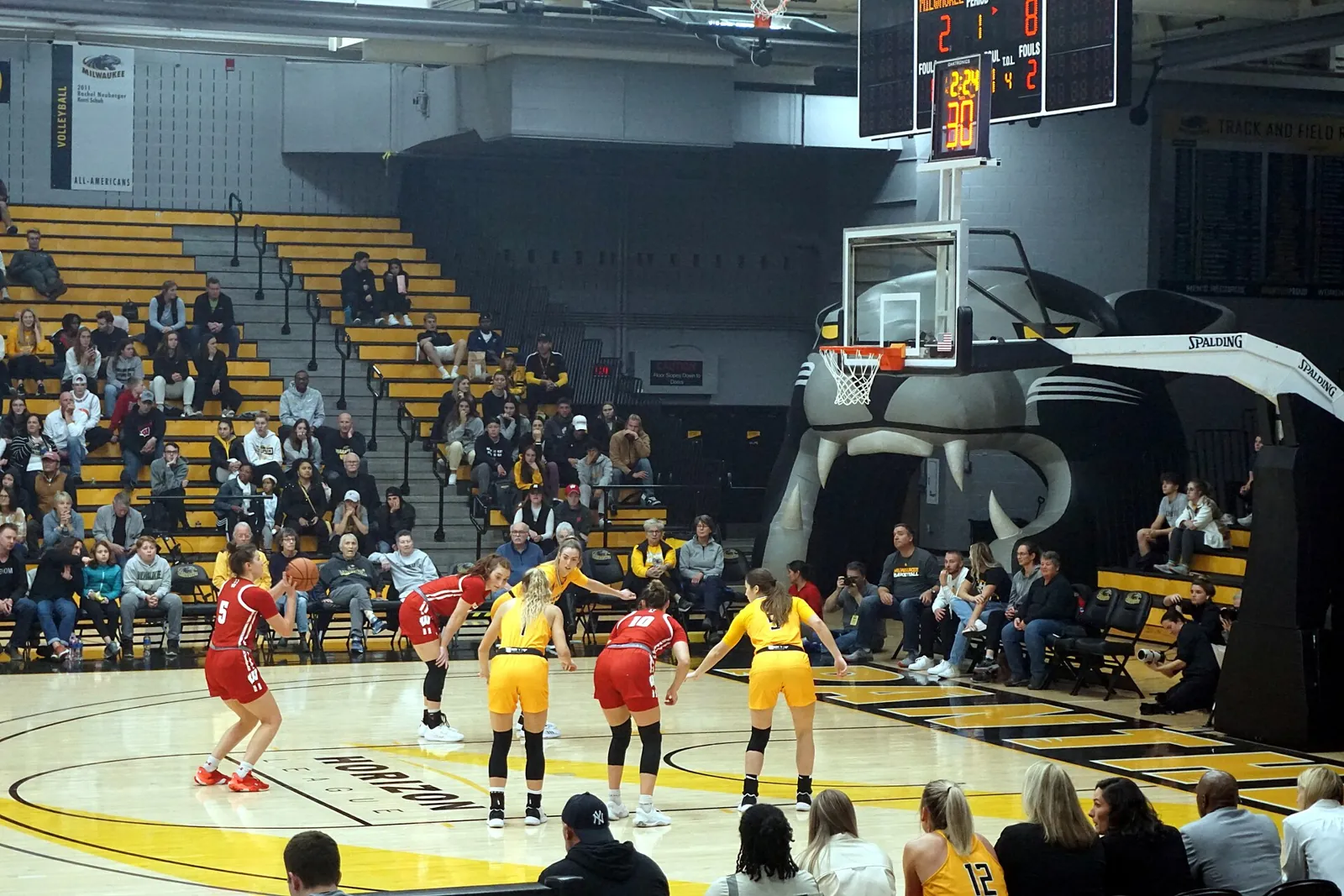
- Free throws, 1990. Suedfeld and Bruno worked with recreational basketball players, comparing guided imagery combined with a single float against imagery alone and no treatment. The players who combined floating with imagery improved their free-throw shooting more than the other groups.
- College basketball, 1991. Wagaman and colleagues studied male college basketball players practising imagery either in a float tank or without one. Coaches gave higher game-performance ratings to the float group, and two sessions between games worked better than one. It’s worth noting that these were coaches’ assessments, not actual shot counts.
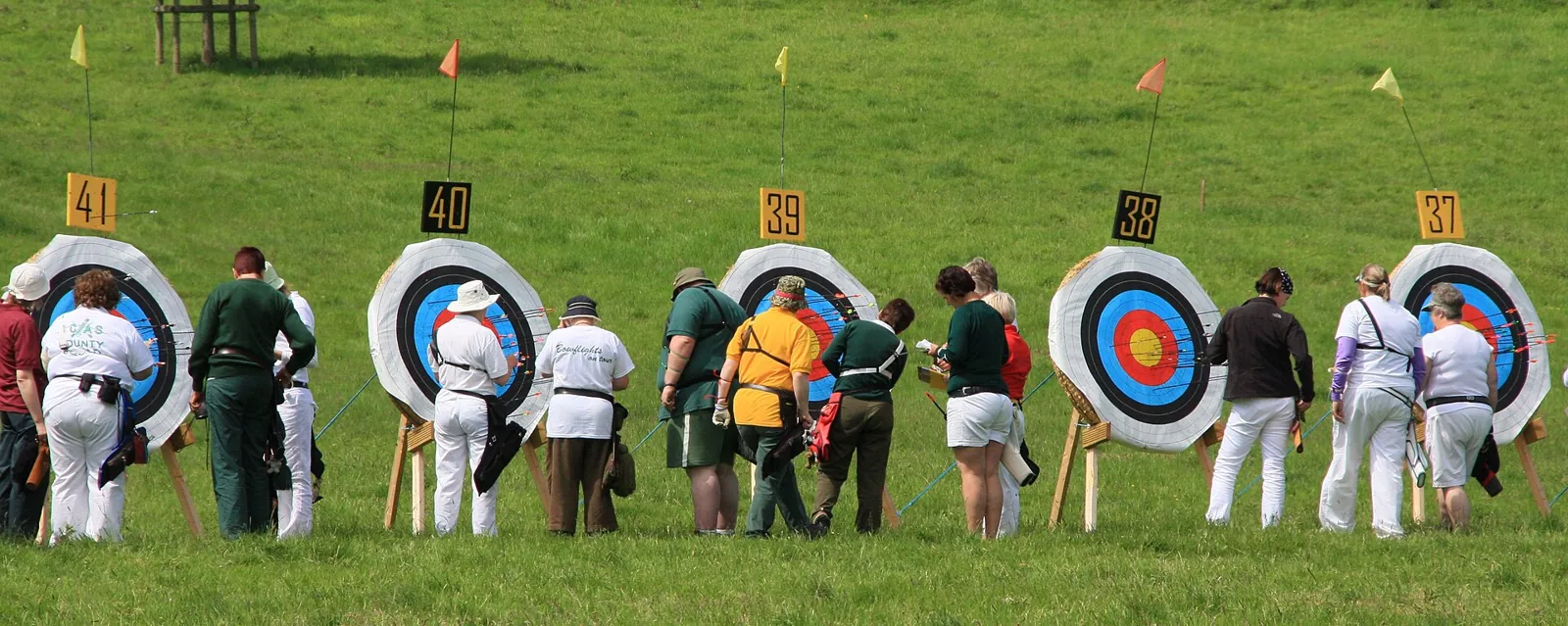
- Elite archers, 1999. Torsten Norlander and colleagues studied 20 archers (13 men, 7 women) after a 45-minute float. The archers reported feeling less exertion and muscle tension, while the elite archers showed more consistent shooting. Reviewers have described the performance gains as modest.
- Three-point shooting, 2013. An Australian study followed elite female basketball players, with 10 in the float group and 9 controls. The float group completed two 30-minute sessions a week for three weeks, combining floating with video-based training inside the tank. This time, researchers found no clear improvement in three-point shooting.
What should we take from all this? Mental imagery itself has a solid place in sport psychology. A few early studies suggest that practising it in a float tank may help certain skills, while another found no additional benefit. That’s an interesting possibility, not a settled conclusion. What we can say is that floating offers an exceptionally quiet environment for mental rehearsal. If you’d like to understand how we weigh findings like these, our Ōmni Evidence Scale explains the difference between promising early research and stronger evidence.
Recovery is training too
There’s another side of athletic performance that’s easy to overlook: knowing when to rest. Training gives your body a reason to adapt, but recovery gives it the opportunity. And when you’re used to always doing something, an hour of doing absolutely nothing can feel like a welcome change. Floating takes much of the usual physical and sensory demand away, giving you space to settle. Many athletes describe coming out feeling calmer, lighter and less sore. The research on these recovery experiences is particularly interesting.
- 60 elite athletes, 2016. Matthew Driller and Christos Argus invited 60 international-level athletes from nine sports to float for about 45 minutes after training. Afterwards, nearly all mood scores improved, and athletes reported less muscle soreness. It was a pilot study without a control group, so we can’t say floating alone caused those changes. Still, the findings are encouraging.
- After hard exercise, 2013. Morgan and colleagues studied 24 untrained men following intense eccentric exercise. Some floated for an hour while others sat quietly. Blood lactate and perceived pain were lower after floating, although researchers found no differences in strength or muscle soreness.
- Trained lifters, 2022. Lydia Caldwell and colleagues studied 11 resistance-trained men after a demanding squat session. Compared with a control session, a one-hour float was associated with less muscle soreness during recovery, better perceived recovery, improved mood and reduced fatigue.
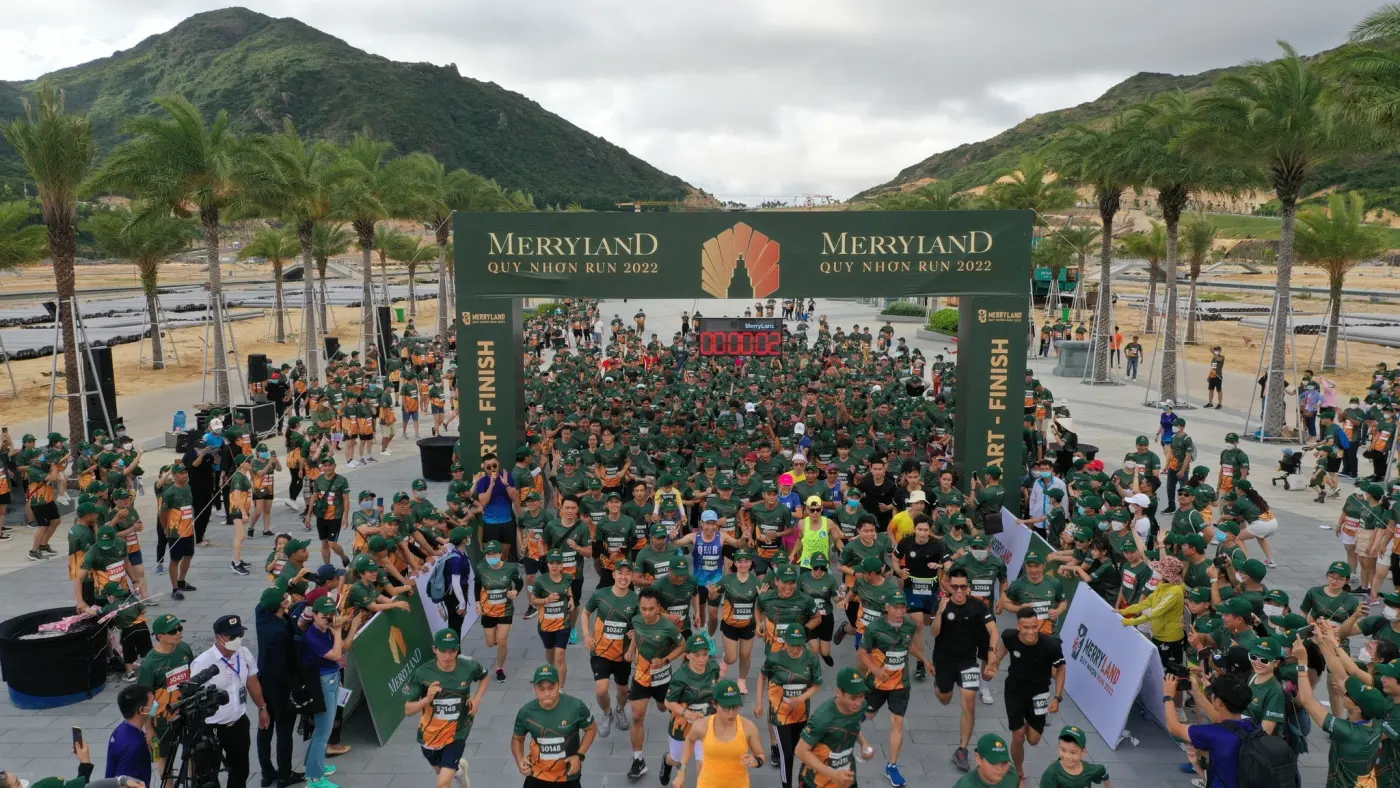
These are still small studies, and we don’t use them as proof that floating speeds up recovery for everyone. But there’s a pattern worth paying attention to: athletes tend to feel better and less sore after a float. It’s also something many of our guests notice for themselves, sometimes as soon as they get up and move around again. If running is your sport, we’ve put together recovery guides for the Run To Live race and the HCMC Marathon. And if you spend your weekends on the course, you might enjoy our guide to float therapy for golfers.
Which athletes float?
Floating isn’t just something researchers have tried in a laboratory. Some familiar names in professional sport have also made room for it in their routines:
- Stephen Curry and Harrison Barnes. In 2015, ESPN The Magazine reported that the two Golden State Warriors players floated regularly as part of their recovery from the demands of an NBA season.
- The New England Patriots. According to NBC Sports Boston, the team introduced floating to players in 2014 and kept two float tanks at Gillette Stadium. Some players used them several times a week, while others chose not to try them.
- The Australian Institute of Sport. Its Recovery Centre in Canberra, used by high-performance athletes, includes a float tank alongside facilities for hydrotherapy and massage.
Of course, a famous athlete using something doesn’t prove that it improves performance. What these examples tell us is simply that some serious athletes and sports programs considered floating worth exploring and made it part of their routines.
The edge nobody bans
Athletes are always looking for a little extra edge. Better shoes. Smarter training data. Altitude camps. Ice baths. Shelves full of supplements. And sometimes, the search goes too far, into shortcuts that break the rules and put long-term health at risk. It’s striking how much of this search is about adding something: more equipment, more intensity, more things for the body to process.
Floating offers a different idea. Instead of adding more, you take something away. Less noise. Less physical effort. Fewer things asking for your attention. You give yourself an hour to rest, perhaps using some of that quiet to mentally rehearse the movement you’ve been working on. It’s a simple, permitted way to approach mental practice and relaxation, without another substance or piece of equipment. No grand promises. Just a different kind of preparation.
How to run a visualization float
You don’t need to be a professional athlete, or even particularly experienced with visualization, to give this a try. The next time you come to Ōmni Space, you can keep it simple with these three steps:
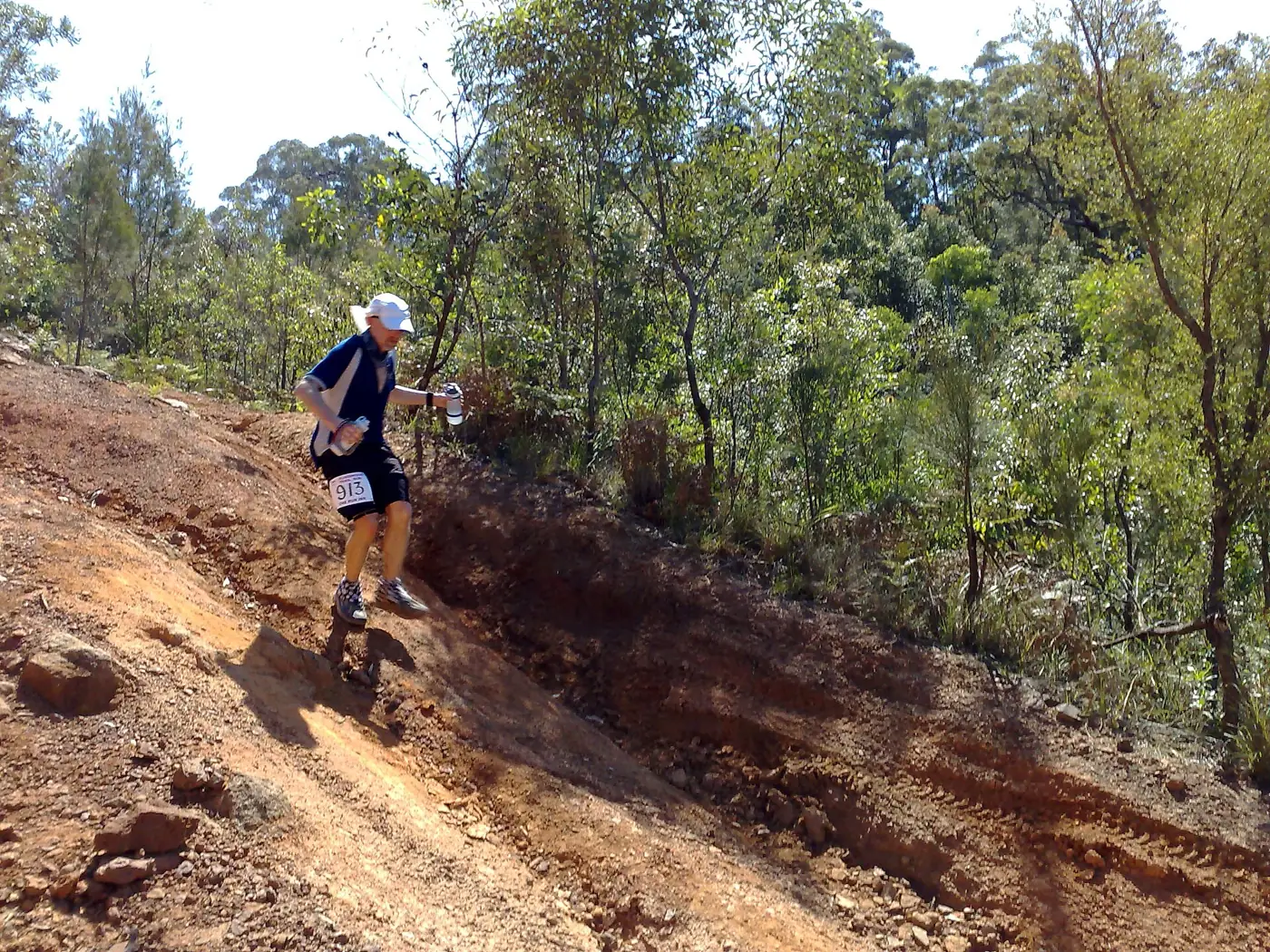
- Before your session, choose one movement. Maybe it’s the start of your next race, a tennis serve, a golf swing or that challenging climb on your favourite trail. Pick just one. Imagine the surroundings, what you might see and hear, and how you want the movement to feel.
- For the first 10 minutes, just rest. Give yourself time to settle into the warm water. Notice how little effort it takes to stay afloat. Let your breathing find its own rhythm and allow your muscles to soften. There’s nothing you need to achieve yet.
- Then rehearse at real speed. Imagine the movement from your own point of view, as if you’re actually doing it. Bring in the sights, sounds and physical sensations. Repeat it 5 to 10 times, without rushing. When you’re done, let the rehearsal go and enjoy the rest of your float.
If you choose a 90-minute float, you’ll have more room to settle into the experience before beginning your rehearsal. And there’s no need to fill the whole session with mental practice. Sometimes it’s lovely to simply rest. To get a sense of how the experience can gradually deepen, take a look at Levels of Float Meditation. Or, if you’re curious about where this unusual idea began, explore the secret history of the float tank.
Float and cold plunge at Ōmni Space
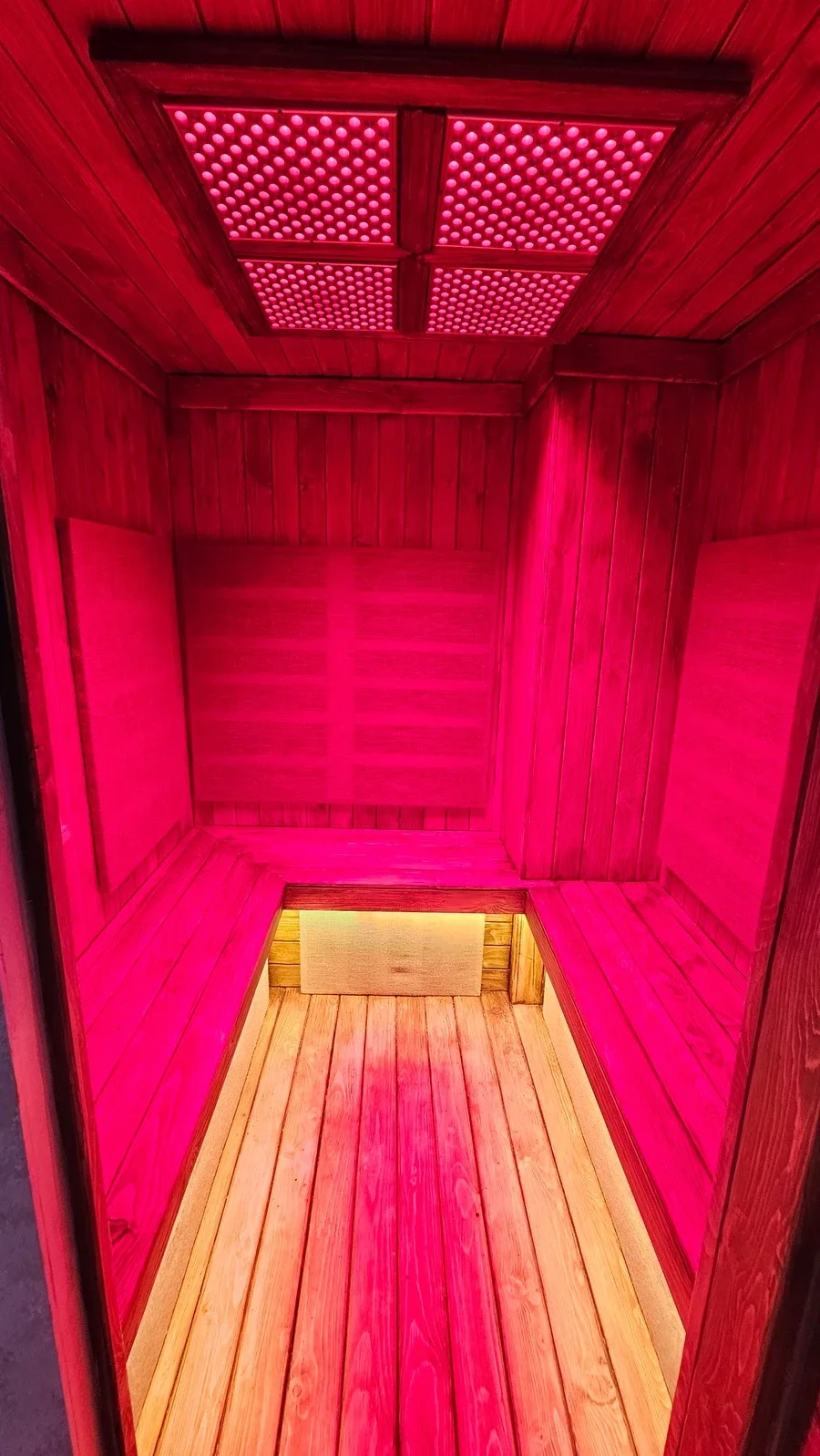
If you enjoy combining different kinds of recovery experiences, you can pair your float with a little contrast in temperature. At Ōmni Space, you can add a cold plunge (7–12 °C) when booking, giving yourself a refreshing change after the warm stillness of floating. Just remember to bring your own swimsuit for the plunge. We also have an infrared sauna with red light (45–55 °C), which you can enjoy before your float.
One thing worth knowing if you train for muscle growth: the timing of cold exposure can matter. Some research suggests that regularly taking a cold plunge immediately after strength training may reduce long-term muscle gains. That’s why many lifters prefer to separate their cold plunges from their lifting sessions. We explore this further in Recovery by Temperature and our honest ice bath guide, where you can learn more about what the science does and doesn’t tell us.
Every float room at Ōmni Space has a private shower, and our team will show you how everything works before your first session. If you’d like to feel more familiar with the experience beforehand, have a read of before your first float or explore what your first float feels like.
Frequently asked questions
Is float therapy good for athletes?
The early research is encouraging, particularly when it comes to how athletes feel after a session. Small studies have reported improvements in mood and perceived muscle soreness, while a study of trained lifters found less soreness during the following recovery period. There’s still more to learn, so it’s best to think of floating as a possible addition to your recovery routine, alongside good sleep, nutrition and thoughtful training.
Does visualization in a float tank improve performance?
Mental imagery is well supported in sport psychology, especially when combined with physical practice. Some small studies from the 1990s found encouraging results for basketball and archery when floating was involved. However, a 2013 study found no additional benefit for three-point shooting. So while a float room gives you a wonderfully quiet place to practise imagery, we can’t yet say it improves performance more than imagery alone.
Which professional athletes use float tanks?
ESPN reported in 2015 that Golden State Warriors players Stephen Curry and Harrison Barnes used floating for recovery. The New England Patriots also kept float tanks at Gillette Stadium from 2014, and the Australian Institute of Sport includes a float tank in its Recovery Centre in Canberra. These examples show how floating has found a place in some professional sports settings, rather than proving a performance benefit.
Should I float before or after training?
Many athletes choose to float after training or on a rest day, when they want time to relax and recover. Others enjoy a session a day or two before a competition, using the quiet to rest or mentally rehearse. Because floating tends to leave people feeling deeply relaxed, you may prefer to leave some space before your next demanding workout.
Can I combine a float with a cold plunge in Saigon?
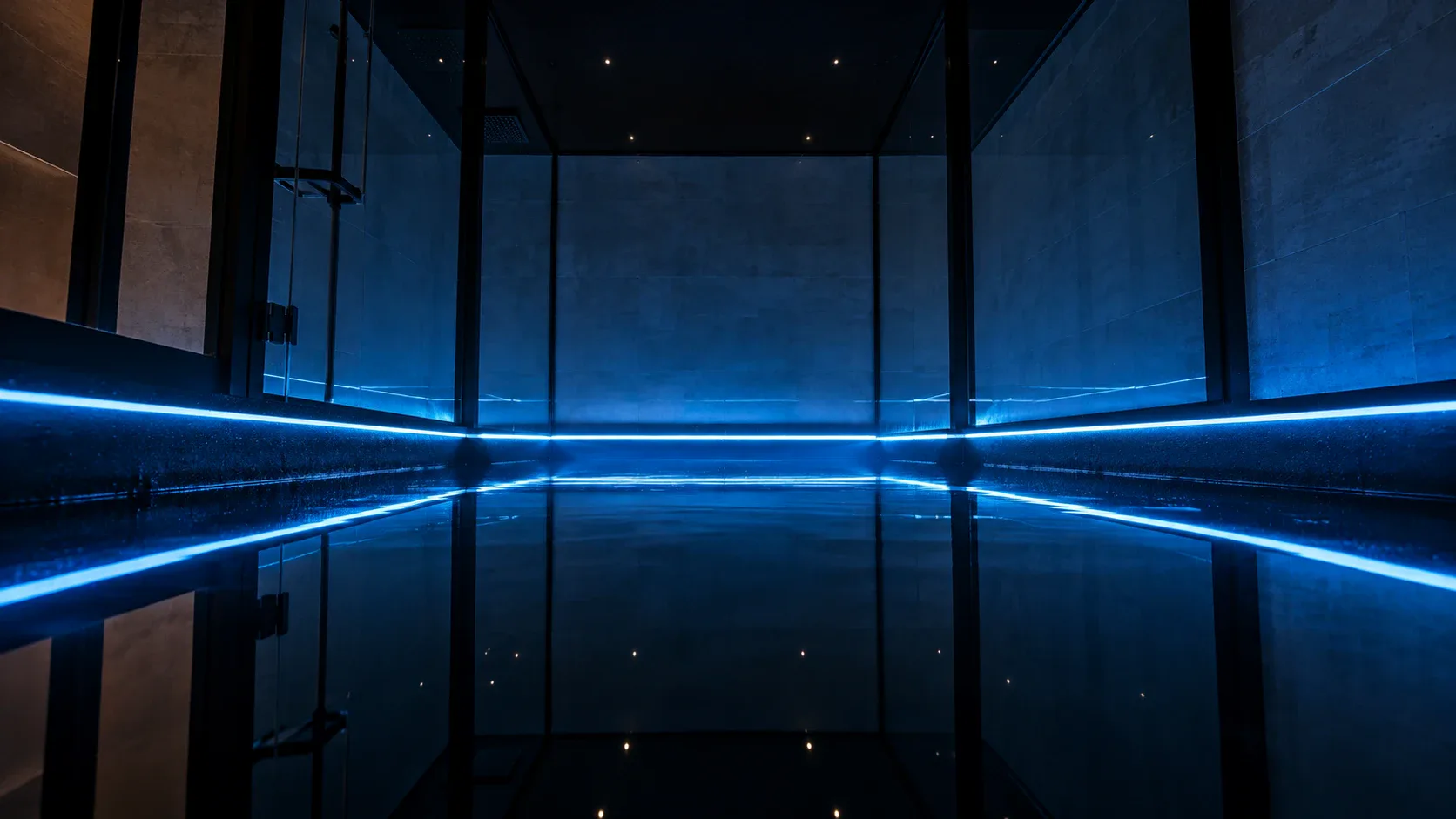
Yes. At Ōmni Space in Thảo Điền, you can add a cold plunge (7–12 °C) to your float when you book. Bring your own swimsuit for the plunge. You can also add a session in our infrared and red-light sauna if you’d like to enjoy some warmth before floating.
How much does a float cost at Ōmni Space?
A 60-minute float costs 1,500,000 VND, and a 90-minute float costs 2,000,000 VND. You’ll find us at 16C Quốc Hương, Thảo Điền, Saigon. We’re open every day from 9:00 to 21:00, and we’d be happy to welcome you for a session.
Written by the team at Ōmni Space in Thảo Điền. The study details are drawn from the published papers and abstracts listed below. Because most research combining floating and sport involves small studies, we treat these findings as early evidence, not definitive proof.
Sources
- Simonsmeier BA, Andronie M, Buecker S, Frank C (2021). The effects of imagery interventions in sports: a meta-analysis. International Review of Sport and Exercise Psychology 14(1).
- Suedfeld P, Bruno T (1990). Flotation REST and imagery in the improvement of athletic performance. Journal of Sport & Exercise Psychology 12: 82–85.
- Wagaman JD, Barabasz AF, Barabasz M (1991). Flotation REST and imagery in collegiate basketball. Perceptual and Motor Skills 72: 119–122.
- Norlander T, Bergman H, Archer T (1999). Primary process in competitive archery performance: effects of flotation REST. Journal of Applied Sport Psychology 11(2): 194–209.
- Gorman AD et al. (2013). Video-based training combined with flotation tank recovery does not improve three-point shooting in basketball. International Journal of Performance Analysis in Sport 13(1): 1–10.
- Driller MW, Argus CK (2016). Flotation restricted environmental stimulation therapy and napping on mood state and muscle soreness in elite athletes: a novel recovery strategy? Performance Enhancement & Health 5(2): 60–65.
- Morgan PM et al. (2013). The acute effects of flotation restricted environmental stimulation technique on recovery from maximal eccentric exercise. Journal of Strength and Conditioning Research 27(12): 3467–3474.
- Caldwell LK et al. (2022). Acute floatation-REST improves perceived recovery after a high-intensity resistance exercise stress in trained men. Medicine & Science in Sports & Exercise 54(8): 1371–1381.
- ESPN (2015). Floating with Stephen Curry and Harrison Barnes.
- NBC Sports Boston (2017). Patriots keep up with floatation therapy throughout run to Super Bowl LI.
- Australian Institute of Sport. AIS Recovery Centre.