
In short: Float therapy can ease desk-related back and neck tension in the short term, but it is not a cure. Small Swedish trials found the worst pain fell after 9 to 12 floats; a larger German trial found no lasting difference at 12 or 24 weeks. In Ho Chi Minh City (Saigon), use it alongside daily movement, not instead of it.
It is 6 pm, the last call has ended, and your neck feels like a coat hanger someone forgot to take out. This guide was written by the team at Ōmni Space – Float Saigon in Thảo Điền for people who sit eight hours or more a day in Saigon and Ho Chi Minh City: office workers, managers, remote workers and digital nomads. It is general information, not medical advice, checked on 13 October 2026.
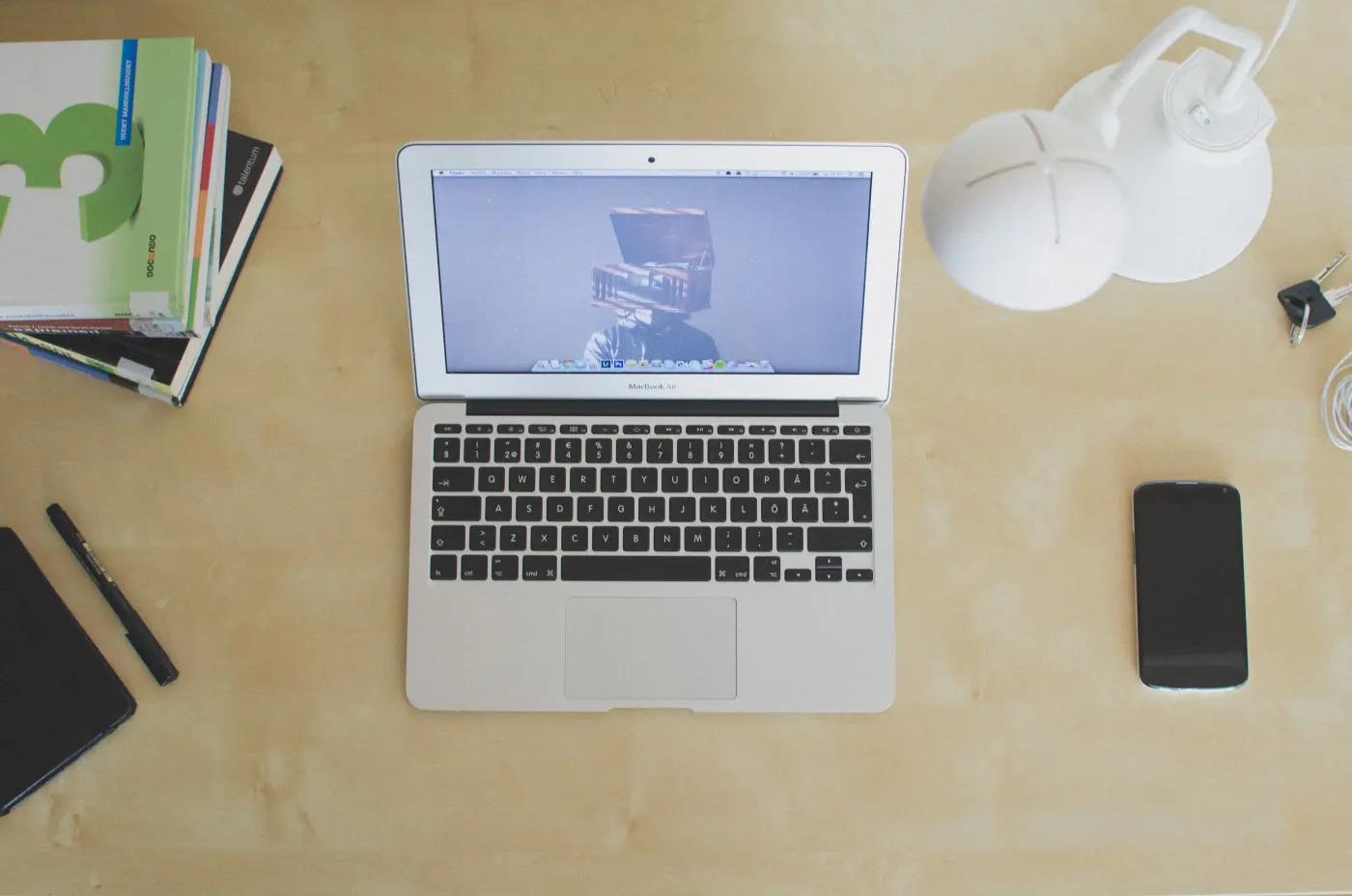
Why desk work makes your back and neck hurt
The World Health Organization says low back pain affected 619 million people in 2020 and is the leading cause of disability worldwide; in about 90% of cases no specific disease or damage is found. A Global Burden of Disease analysis estimated that neck pain affected 203 million people the same year.
A large review found that 27% to 48% of workers have neck pain in a given year, depending on the country. In a Vietnamese study of 150 office staff at one northern company, 68% reported neck and shoulder pain in the past 12 months: one company, so a signal rather than a national figure.
- Staying still. Holding one position for hours, often with the head drifting towards a screen (“tech neck”), keeps the same small muscles working without a break.
- Stress you carry in your shoulders. In a Swedish lab study of 62 women, mental stress tasks alone raised activity in the trapezius, the large muscle across the shoulders and neck. Deadlines really can show up as tight shoulders.
- Work itself. The same review linked neck pain with high job demands, low support at work, long sitting and poor workstation design. Posture is only part of the story.
Warning signs: time to see a doctor
Based on NHS and healthdirect (Australian government) guidance, see a doctor first, before a float, if you have:
- numbness, tingling or weakness in your arms or legs;
- pain after a fall, accident or injury;
- fever, or feeling shivery and unwell;
- weight loss you cannot explain;
- changes in your bladder or bowels, or numbness around your genitals or bottom (this is an emergency: call 115 in Vietnam);
- pain that is worse at night, or sudden severe pain;
- pain that is not getting better after about six weeks.
What actually works for desk pain
The most reliable help is movement.
- Stay active. The NHS advises keeping up daily activities and trying gentle exercises; walking, swimming, yoga and Pilates may help. The WHO recommends physical therapy and more activity for non-specific low back pain, with painkillers not as the first choice.
- Exercise at work. A 2018 review of 27 trials found that neck and shoulder strengthening at the workplace reduced neck pain in office workers who already had it.
- Pilates. A Cochrane review (a careful summary of the best trials) found that Pilates eases low back pain more than minimal care, but not clearly more than other exercise. Pick what you will keep doing; see our history of yoga and Pilates in Vietnam.
- Breaks. The NHS advises not holding your neck in one position for long at a desk.
- Ergonomics, honestly. A good chair and screen height feel better, but a Cochrane review found mixed results for arm supports and special mice, no clear effect from workstation adjustment or sit-stand desks, and only very weak evidence for extra breaks.
Ōmni Evidence Scale: Promising, for Pilates and low back pain. Low to moderate quality evidence that it beats minimal care, but not other exercise.
Ōmni Evidence Scale: Promising, for neck and shoulder exercise at work. Moderate quality evidence that strengthening reduces neck pain in office workers.
Ōmni Evidence Scale: Early evidence, for ergonomic changes. Results are mixed and most trials are small.
Floating is a complement: it can relax tight muscles and quiet stress, which makes moving easier. It does not replace a physiotherapist, a doctor or daily exercise.

What the float research says about muscle pain
Float therapy means lying in warm, very salty water that holds you up, in a quiet, dark room. Most pain research comes from Karlstad University in Sweden, plus one larger German trial.
- The first pain trial (2001). Kjellgren and colleagues randomly assigned 37 patients with long-term aching neck and back muscles to nine floats in three weeks or to a control group. Their most severe pain fell; milder pain did not change. They also felt more optimistic and fell asleep more easily.
- Is it just the attention? (2005). Bood and colleagues floated 32 patients with stress-related muscle pain for six weeks; half also got extra attention. Pain, anxiety, stress and blood pressure fell, and the extra attention made little difference. A 2006 paper from the team linked floating to the relaxation response, the body’s natural “brake”. In other words, the effect does not come only from the extra attention.
- How many floats? (2007). Bood’s team randomly assigned 37 patients to 12 or 33 floats. Twelve were enough for clear pain gains; 33 added no further pain relief.
- Floating as a company perk (2014). Kjellgren and Westman gave 65 working adults 12 floats over seven weeks, or a waiting list. In the float group, stress, anxiety and worst pain fell; everyday pain did not change.
- The largest trial (2021). Loose and colleagues in Hannover randomly assigned 99 people with chronic pain to five real floats, five look-alike floats or a waiting list. The look-alike floats used the same tank with less salt and shallower water, so floating took effort. Right after each session, both float groups felt less pain and more relaxed. But one week later, and at 12 and 24 weeks, the three groups did not differ.
Float therapy is a young but very active research field: randomised controlled trials have shown clear effects on anxiety, stress, muscle tension and sleep, and new clinical studies are still under way.
The honest limits. The studies are small and often used a waiting list for comparison. People always know they are floating, so the treatment cannot be hidden the way a drug trial hides a real pill among sugar pills, and expectation plays a part. The German trial suggests short-term relief may come from the whole calm experience. None tested desk workers specifically.
Ōmni Evidence Scale: Promising, for float and stress-related muscle tension and short-term pain relief. Small Swedish trials and the German trial saw pain ease soon after floating, but groups were small.
Ōmni Evidence Scale: Early evidence, for float and long-term relief of chronic pain. The best-controlled trial found no lasting difference at 12 or 24 weeks.
Ōmni Evidence Scale: Strong evidence, for float and stress. We rate it Strong because, on top of these trials, user experience is overwhelmingly positive: in a 2025 survey of regular floaters, 92% reported relaxation and 77% less stress, echoed by thousands of reviews, Reddit threads and forums, and by athletes and public figures who float. See how we rate evidence on the Ōmni Evidence Scale.
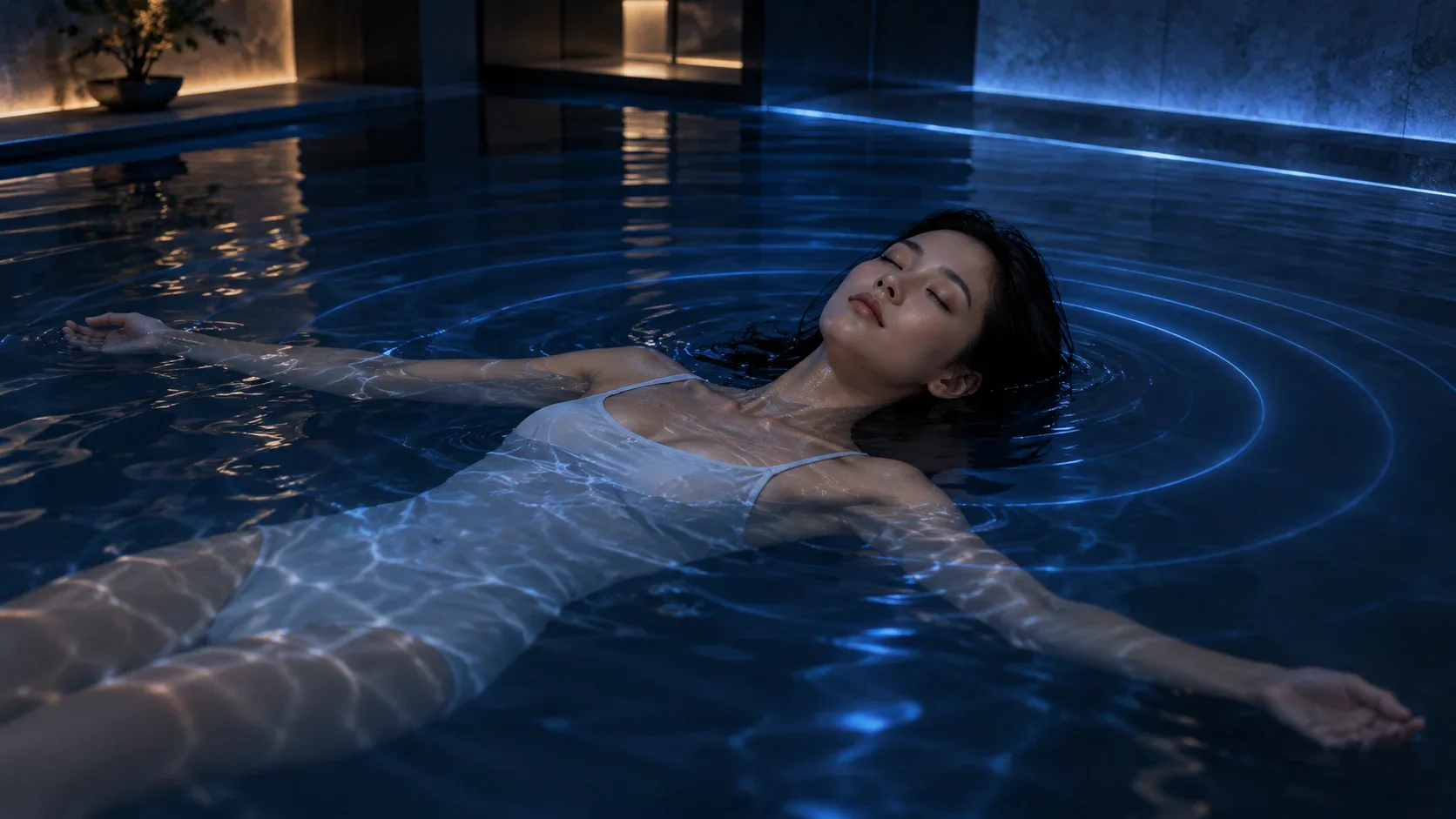
How a float helps a tired back and neck
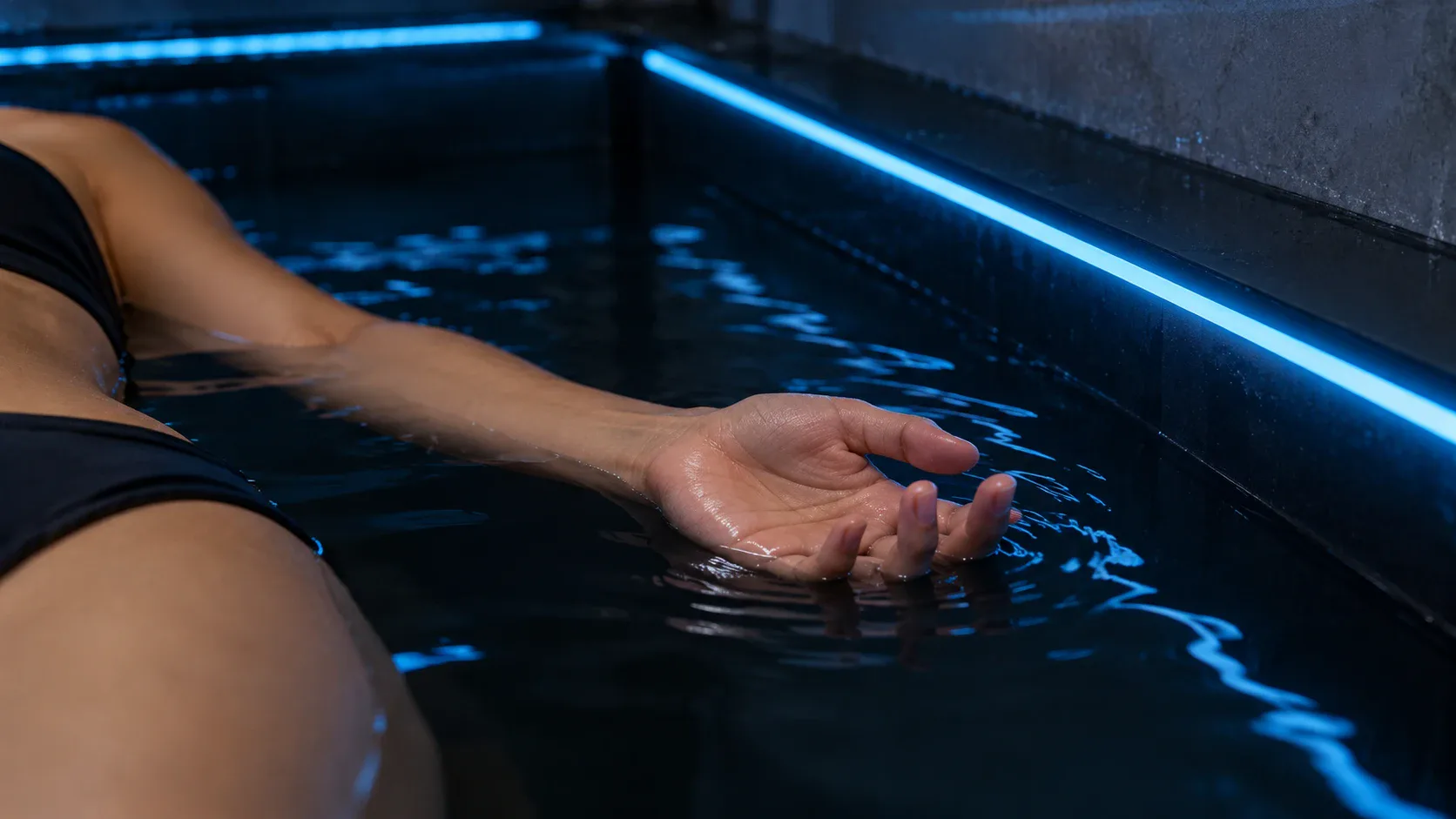
- Weightless. About 25 cm of water with 500 kg of Epsom salt holds you up without effort. The spine and neck no longer carry your head and body, and bracing muscles have nothing to hold.
- Warm. The water is close to skin temperature, so the edge between body and water starts to blur.
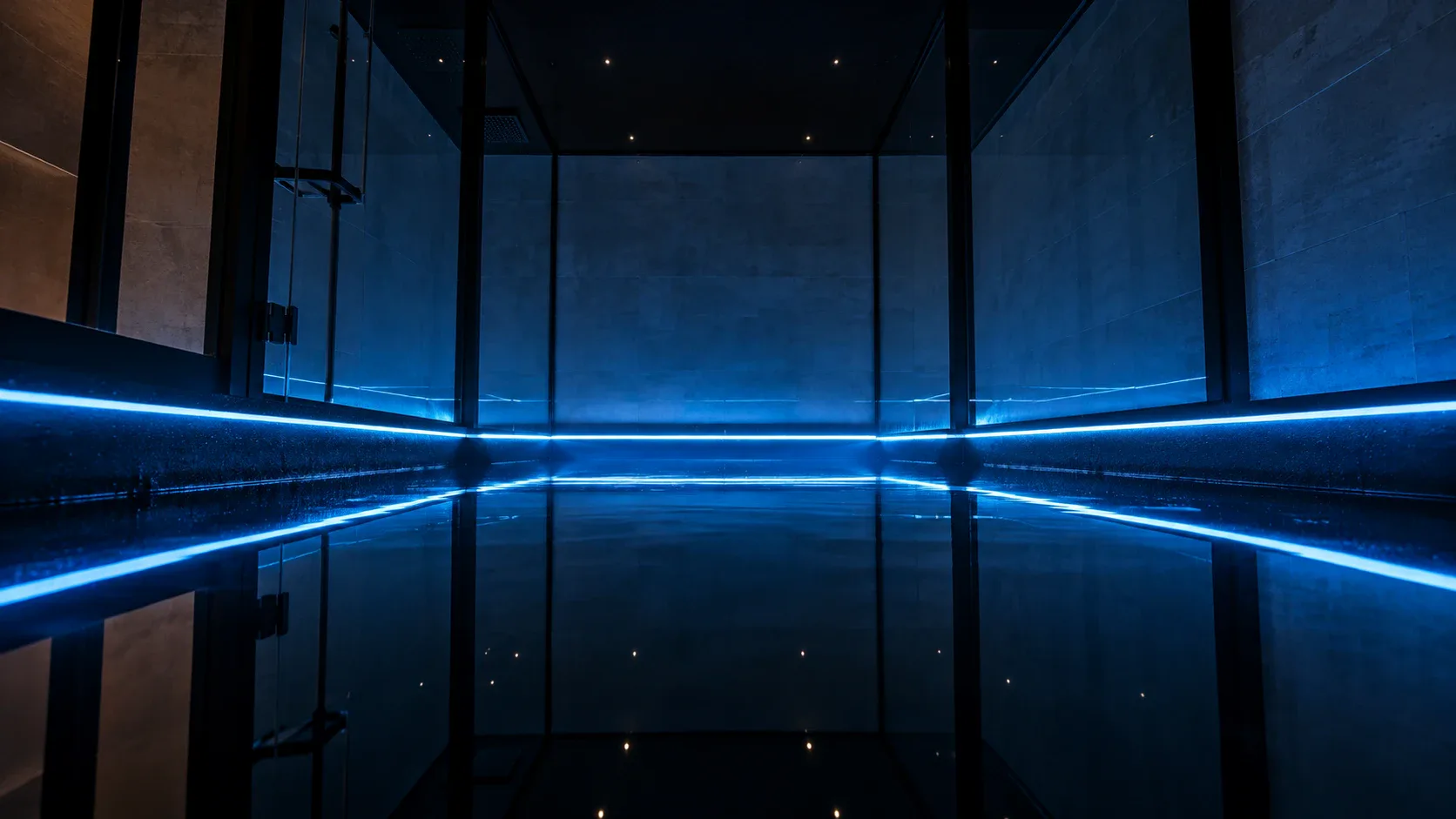
- Quiet. Soundproof glass doors block light, you control the lights, and every guest gets earplugs. With fewer signals coming in, the nervous system can shift towards rest.
- Epsom salt. Epsom salt is magnesium sulfate. Many people soak in Epsom salt to relax their muscles and care for their skin; research has not shown that magnesium passes through the skin.
- Neck comfort. If your neck will not let go at first, a Halo neck pillow is available.
New to it? Read what float therapy is and before your first float.
A simple 4-week desk-pain routine in Saigon and Ho Chi Minh City
This routine is lighter than the studies (9 to 12 floats). It starts with three floats close together, because the first is often spent learning to let go; see why three float sessions matter and how often should you float.
| Week | Floats | Every day at your desk |
|---|---|---|
| Week 1 | 2 (a few days apart) | 5-minute desk moves; stand up once an hour. |
| Week 2 | 1 (3 floats in total) | Desk moves; add a 20-minute walk. |
| Week 3 | 1, with infrared sauna before if your muscles feel tight | Desk moves; try one Pilates, yoga or strength class. |
| Week 4 | 0–1 (then every 1–2 weeks) | Desk moves; note what helped. |
Five-minute desk moves. Gentle stretches from NHS exercise guides. Move slowly and stop if it hurts.
- Neck rotation: sit upright, slowly turn your head towards one shoulder as far as is comfortable, hold 5 seconds. Three times each side.
- Neck stretch: hold your left shoulder down with your right hand, slowly tilt your head right. Hold 5 seconds, three times each side.
- Chest stretch: sit forward, shoulders back and down, arms out, gently push your chest forward and up. Hold 5 to 10 seconds, five times.
- Upper-body twist: arms crossed to your shoulders, turn your upper body without moving your hips. Hold 5 seconds, five times each side.
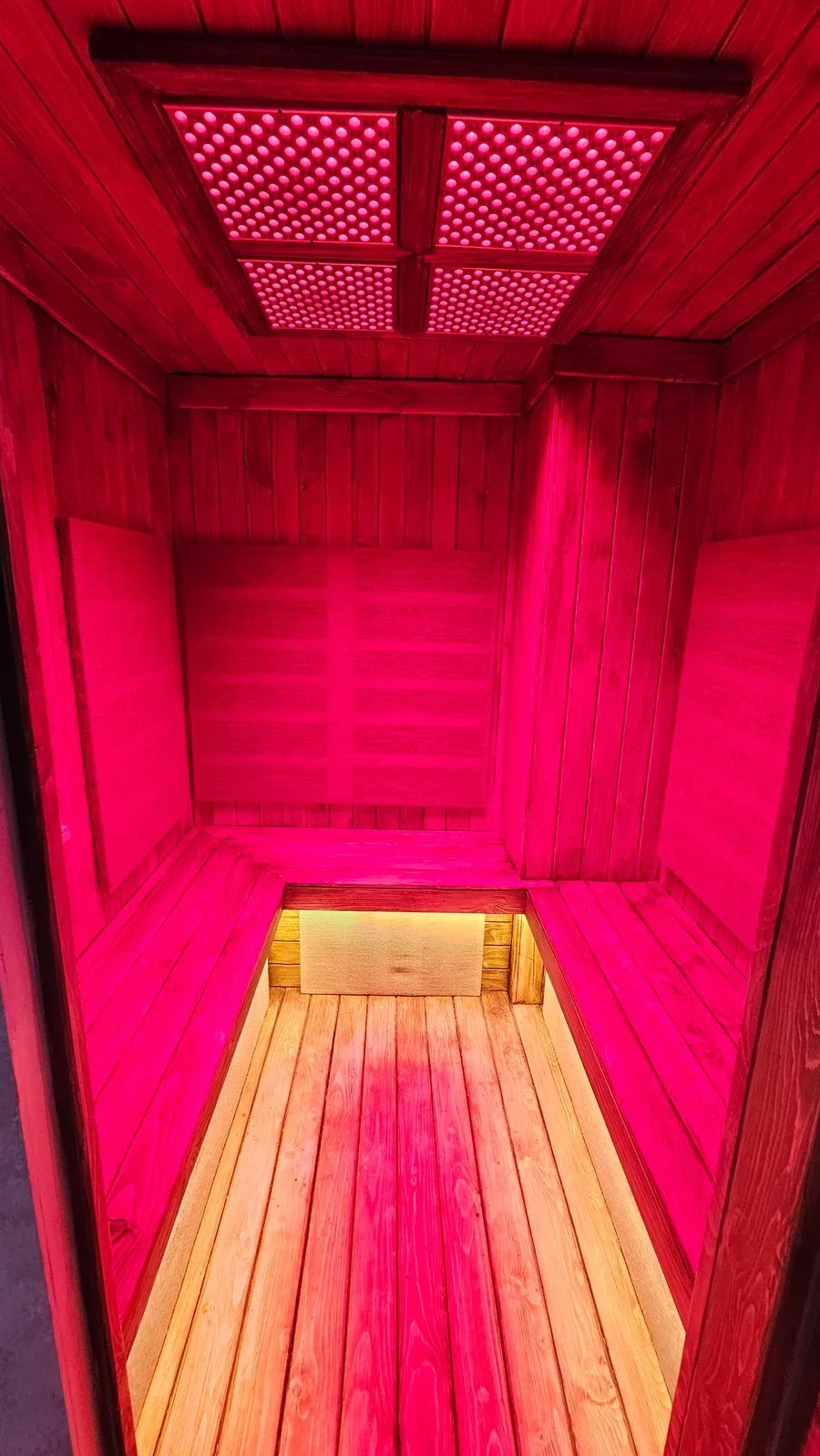
Sauna before the float. When your shoulders feel like stone, warm up in the infrared sauna (45–55°C) first: +200,000 VND with a float, included in the Introduction Package. See the infrared sauna and contrast therapy.
If stress is the bigger problem, try our 7-week burnout recovery plan or float therapy for anxiety.
Prices and packages
| Option | What you get | Price |
|---|---|---|
| Introduction Package | 3 × 90-minute floats, sauna included, valid for 3 months from your first float (start within 1 year of purchase), for one person (not shareable) | 3,000,000 VND |
| Renew membership | 5 × 90-minute floats, valid 3 months | 4,500,000 VND |
| Sustain membership | 9 × 90-minute floats, valid 6 months | 8,000,000 VND |
| Single float | 60 / 90 / 120 minutes | 1,500,000 / 2,000,000 / 2,500,000 VND |
Renew or Sustain suits a float every one to two weeks. Memberships can be bought back-to-back.
Safety
- Float is not medical treatment. It does not replace a physiotherapist or doctor.
- Recent surgery, open wounds, skin conditions or pregnancy: ask your doctor first, and tell us when you book.
- Health questionnaire: fill it in fully and honestly at every visit.
Where to try it in Saigon
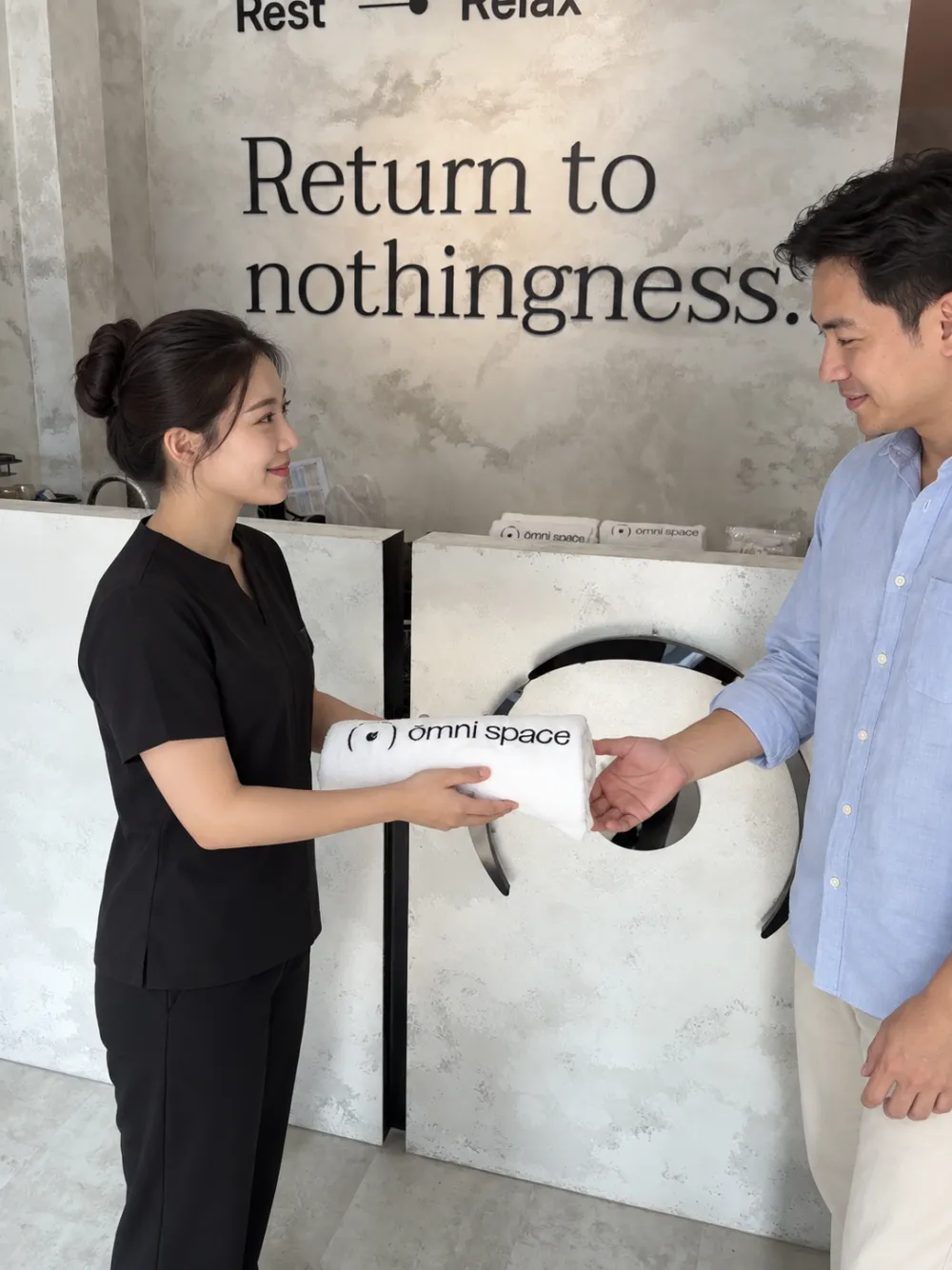
Ōmni Space – Float Saigon is at 16C Quốc Hương, Thảo Điền, open 9:00–21:00 every day. Allow about 30 extra minutes for a short guide and showers. See our services page. Physiotherapy clinics and Pilates studios across the city cover the movement side.
Float PlanBody tight from sitting or training?Take the one-minute Float Plan quiz: tell us how you feel and what you need, and get a simple plan for your first session.Make my Float PlanFAQ
Can float therapy help with back and neck pain from desk work?
It can ease muscle tension and pain in the short term. Small Swedish trials saw worst pain fall after 9 to 12 floats; a larger German trial found no lasting difference at 12 or 24 weeks. Use it alongside daily movement.
How many floats should I try for desk pain?
Three floats close together, then one every one to two weeks. The Swedish studies used 9 to 12; 12 were as good as 33 for pain.
Does the magnesium in Epsom salt get absorbed through the skin?
Not proven. A 2017 review called skin absorption of magnesium scientifically unsupported. The salt’s job is to make you float.
When should I see a doctor instead of floating?
First, if you have numbness or weakness in your limbs, pain after an injury, fever, unexplained weight loss, bladder or bowel changes, night pain, or no improvement after about six weeks.
How much does a float cost in Ho Chi Minh City?
A single float is 1,500,000 / 2,000,000 / 2,500,000 VND for 60 / 90 / 120 minutes. The Introduction Package (three 90-minute floats, sauna included) is 3,000,000 VND.
Sources
- World Health Organization. Low back pain, fact sheet.
- GBD 2021 Neck Pain Collaborators (2024). Global, regional, and national burden of neck pain, 1990–2020, and projections to 2050. The Lancet Rheumatology 6(3): e142–e155.
- Côté P et al. (2008). The burden and determinants of neck pain in workers: results of the Bone and Joint Decade 2000–2010 Task Force on Neck Pain and Its Associated Disorders. Spine 33(4 Suppl): S60–S74.
- Đỗ Thị Thu Hiền, Nguyễn Ngọc Bích, Dương Khánh Vân (2020). Thực trạng rối loạn cơ xương chi trên ở nhân viên văn phòng tổng công ty Bảo đảm an toàn hàng hải miền Bắc năm 2019. Tạp chí Y tế Công cộng 53.
- Lundberg U et al. (1994). Psychophysiological stress and EMG activity of the trapezius muscle. International Journal of Behavioral Medicine 1(4): 354–370.
- NHS. Back pain.
- NHS. Neck pain.
- healthdirect (Australian Government). Back pain.
- Chen X et al. (2018). Workplace-based interventions for neck pain in office workers: systematic review and meta-analysis. Physical Therapy 98(1): 40–62.
- Yamato TP et al. (2015). Pilates for low back pain. Cochrane Database of Systematic Reviews CD010265.
- Hoe VC et al. (2018). Ergonomic interventions for preventing work-related musculoskeletal disorders of the upper limb and neck among office workers. Cochrane Database of Systematic Reviews CD008570.
- Kjellgren A, Sundequist U, Norlander T, Archer T (2001). Effects of flotation-REST on muscle tension pain. Pain Research and Management 6(4): 181–189.
- Bood SÅ et al. (2005). Effects of flotation-restricted environmental stimulation technique on stress-related muscle pain: what makes the difference in therapy, attention-placebo or the relaxation response? Pain Research and Management 10(4): 201–209.
- Bood SÅ et al. (2006). Eliciting the relaxation response with the help of flotation-REST in patients with stress-related ailments. International Journal of Stress Management 13(2): 154–175.
- Bood SÅ et al. (2007). Effects of flotation REST on stress related muscle pain: are 33 flotation sessions more effective than 12 sessions? Social Behavior and Personality 35(2): 143–156.
- Kjellgren A, Westman J (2014). Beneficial effects of treatment with sensory isolation in flotation-tank as a preventive health-care intervention: a randomized controlled pilot trial. BMC Complementary and Alternative Medicine 14: 417.
- Loose LF, Manuel J, Karst M, Schmidt LK, Beissner F (2021). Flotation restricted environmental stimulation therapy for chronic pain: a randomized clinical trial. JAMA Network Open 4(5): e219627.
- Gröber U, Werner T, Vormann J, Kisters K (2017). Myth or reality: transdermal magnesium? Nutrients 9(8): 813.
- NHS. Sitting exercises.
- NHS. Flexibility exercises.
- Hilpert K, Chis Ster I (2025). Experiences and perceptions of regular floatation-REST users: results from an online survey. Journal of Clinical Images and Medical Case Reports 6(5): 3600.
Leave a Reply