
In short: Perineum sunning means lying on your back, lifting your legs, and pointing the skin between your genitals and your anus toward the sun for 30 seconds to a few minutes. Fans say it can boost energy, sleep, libido and “qi”. No study has tested any of those claims. What we do know is less mysterious: this skin is thin and almost never exposed to sunlight, so it burns easily, while UV radiation is a proven cause of skin cancer. And the benefits most people are actually looking for (better sleep, more daytime energy) come from morning daylight reaching your eyes, with your clothes happily still on. So our honest answer is: curious idea, please don’t.
Part of the Ōmni Recovery Library · Recovery by Light
Maybe a friend sent you the video. Maybe an influencer appeared on your feed, lying on a beach with their legs in the air, claiming that half a minute of sun “down there” can do more than a whole day outdoors. You laughed. Then, perhaps, a tiny part of you thought: wait, could there actually be something to this? Fair question. So rather than dismissing it, let’s look properly: where the practice came from, what would have to be true for its claims to work, what sunlight actually does in the body, and the much simpler morning-light habit that offers the benefit people are really chasing.
Ōmni Evidence Scale: No good evidence yet, for perineum sunning. We found no clinical study of the practice at all, only personal claims. The risks, meanwhile, are well documented. See how we rate evidence on the Ōmni Evidence Scale.
What is perineum sunning?
The perineum is the small patch of skin between the genitals and the anus. In perineum sunning (the internet also calls it “butthole sunning”, a less elegant but admittedly clearer description), people lie on their back outdoors, lift or spread their legs, and expose that area directly to sunlight. Practitioners usually recommend anything from 30 seconds to five minutes, often around sunrise or sunset.
The list of promised benefits is ambitious: more energy, better sleep, sharper focus, greater creativity, a higher libido and “balanced” sex hormones. In the more spiritual version, the perineum is described as a gateway through which life energy can leak, while sunlight supposedly seals that gateway and draws solar energy inward.
Where did it come from?
Supporters often describe perineum sunning as an ancient Taoist practice. There is a genuine Taoist connection, just not quite the one the internet suggests. Taoist and qigong traditions do give the perineum a special role. The point there is called Huiyin, sometimes translated as the “Gate of Life and Death”, and many breathing and energy practices focus attention on it. What we could not find is any classical text telling people to expose it to sunlight. The closest written source wellness writers commonly cite is a 1986 book, The Tao of Sexology by Stephen T. Chang, which describes a sun exercise for this area but gives a different rationale for it (killing germs), not energy.
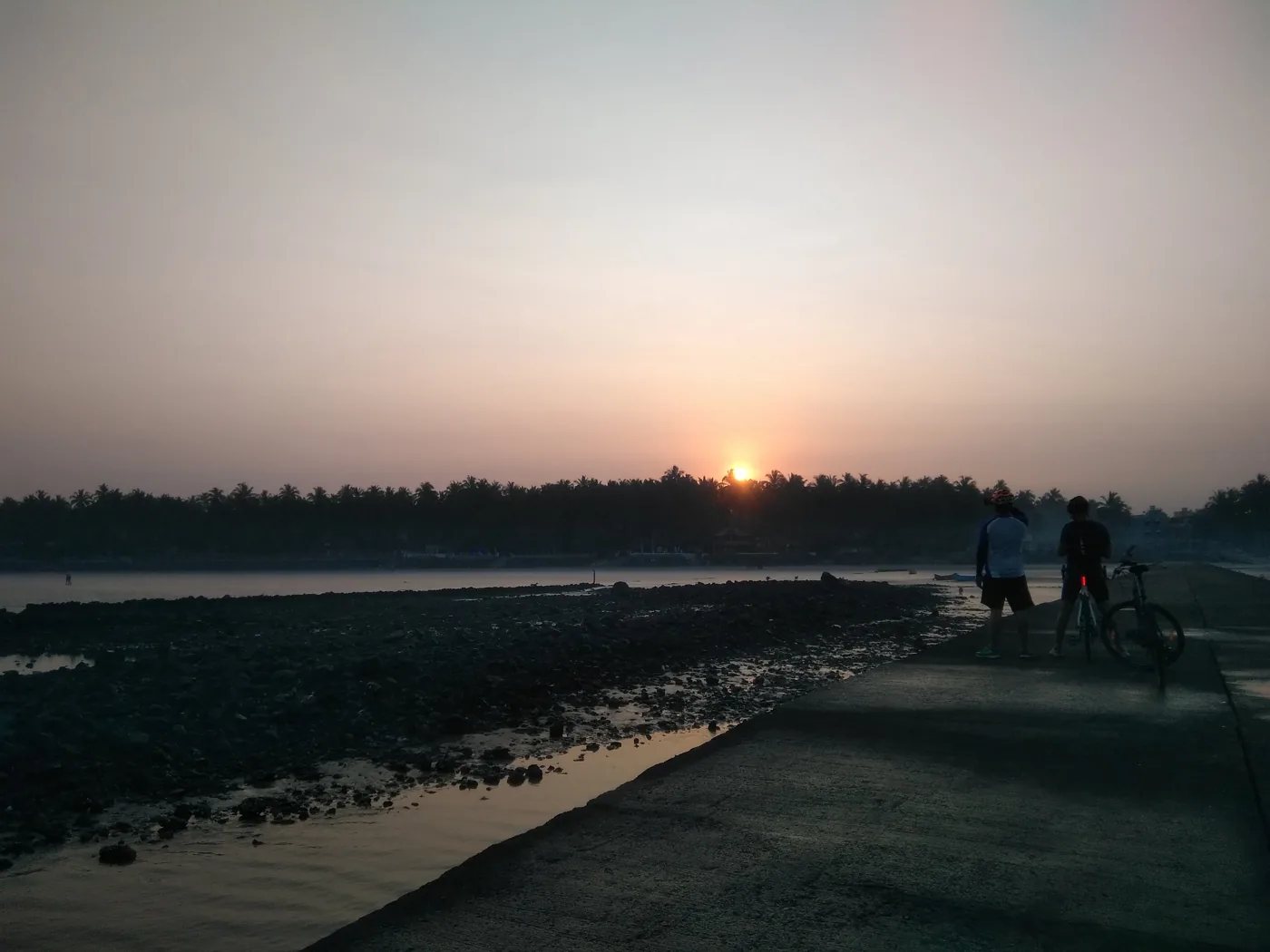
The internet version is much younger. In 2019, an Instagram user known as Metaphysical Meagan, who described herself as an energy healer, posted photos of herself sunning her perineum and claimed that a few minutes were equivalent to a full day of sunlight with clothes on. The posts went viral, mostly as a joke. A few months later, in late November 2019, actor Josh Brolin told his followers that he had tried the practice, had badly burned himself and was spending the day with ice and aloe. His advice: “Don’t do it as long as I did.” The trend surfaced again on TikTok in 2022.
What the science says, claim by claim
Because no one has actually studied perineum sunning, the fairest approach is to take each claim separately and ask a simpler question: does it fit what we already know about sunlight and the human body?
“30 seconds down there equals a day of sun”
This claim usually circles back to vitamin D, which your skin produces when ultraviolet B (UVB) light reaches it. That part is true. What we have no evidence for is the idea that the perineum makes vitamin D any faster or better than other skin. Vitamin D production depends mainly on how much skin is exposed, how strong the UVB is and your skin type. A patch the size of a palm exposed for half a minute is a tiny dose compared with your face and forearms during an ordinary walk. As dermatologist Susan Bard told Healthline, short sun exposure can work through skin anywhere; there is nothing special about exposing the perineum.
“It improves sleep, energy and mood”
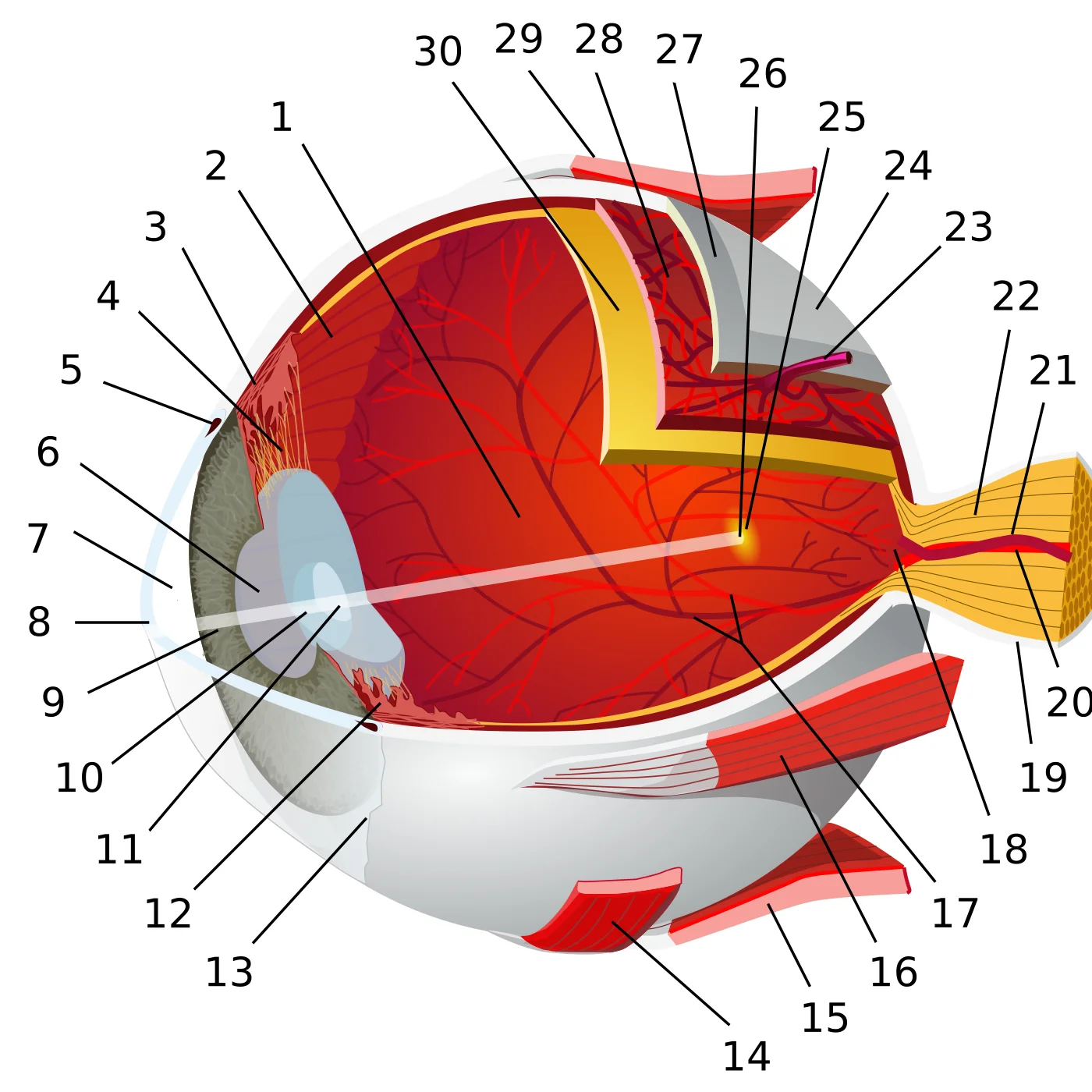
This is where the claim gets interesting, because the basic intuition is partly right. Light really does influence sleep, alertness and mood. The important detail is where that light goes: your eyes. Special light-sensitive cells in the retina send signals to the brain’s master clock, the suprachiasmatic nucleus, helping set the timing of sleep hormones such as melatonin. A 2019 review of light and circadian rhythms in humans puts the mechanism plainly: the known effects of light on our body clock and sleep are mediated by the retina. There is no known light-sensing pathway in the perineum communicating with your body clock.
One of the clearest demonstrations of what natural light can do came from a 2013 study in which researchers sent eight people camping in the Colorado Rockies for a week, using only sunlight and campfire for light. Their internal clocks shifted about two hours earlier and aligned much more closely with sunrise and sunset. No special body part needed sun exposure; they simply spent their days outdoors and their evenings away from screens.
“It balances hormones, raises libido and stops qi from leaking”
We found no study, not even a small one, measuring hormones, libido or anything similar before and after perineum sunning. Claims about qi and prana belong to energy traditions that carry real meaning for many people, but they are not variables a laboratory can directly measure. So this part of the practice belongs firmly in our “No good evidence yet” category: meaningful as a personal ritual perhaps, but not established as a health method.
What it can do: the risks
Sunburn on very thin skin. The perineum and the skin around the anus and genitals are among the thinnest and most sensitive areas of the body. They also spend almost all their time away from daylight, so they have little of the adaptive pigmentation that regularly exposed skin may develop. Put simply, this is not an area designed for deliberate UV exposure. A burn there is not only painful; it can make sitting, walking and going to the toilet miserable for days. Josh Brolin is the most famous example, not the only one.
UV and skin cancer. The World Health Organization’s cancer agency, IARC, classifies solar radiation as “carcinogenic to humans”, its highest category, because UV damages DNA in skin cells and causes both melanoma and other skin cancers. Every sunburn adds to that damage. Dermatologists discussing this trend also point out that skin cancers do occur in the genital and anal area, and that people with lighter skin or a family history of skin cancer face higher risk.
HPV and anal skin. Most anal cancers are linked to human papillomavirus (HPV): the US Centers for Disease Control and Prevention estimates about 91%. HPV is extremely common and often silent. One dermatologist quoted by Healthline described the combination of HPV and UV damage on this skin as close to ideal conditions for squamous cell carcinoma, a type of skin cancer that tends to be more aggressive in this area. It has not been studied specifically in people who practise perineum sunning, but it gives us another good reason not to deliberately add UV exposure there.
Saigon sun is not Colorado sun. Ho Chi Minh City sits about 10 degrees north of the equator, where midday UV stays strong for much of the year.
What morning daylight actually does (and how to get it)
If what appeals to you about perineum sunning is really the idea of a morning ritual that helps reset your system, there is a much simpler version with actual science behind it. And yes, shorts and a T-shirt are completely compatible.
- Get outside early. Bright light in the first hours after waking gives your body clock one of its clearest “it’s daytime” signals. That helps support morning alertness and sleepiness at a sensible time later that night.
- Let the light reach your eyes, but do not stare at the sun. Simply being outdoors under an open sky is enough; even an overcast morning is much brighter than ordinary indoor lighting. Looking directly at the sun can injure the retina.
- Move while you are at it. A 15–30 minute walk in a park, coffee on a balcony, or joining the early-morning exercise crowds in Saigon’s parks all count.
- Dim the evening. The camping study was not only about bright days; dark evenings mattered too. Lower the lights and screens in the last hour before bed.
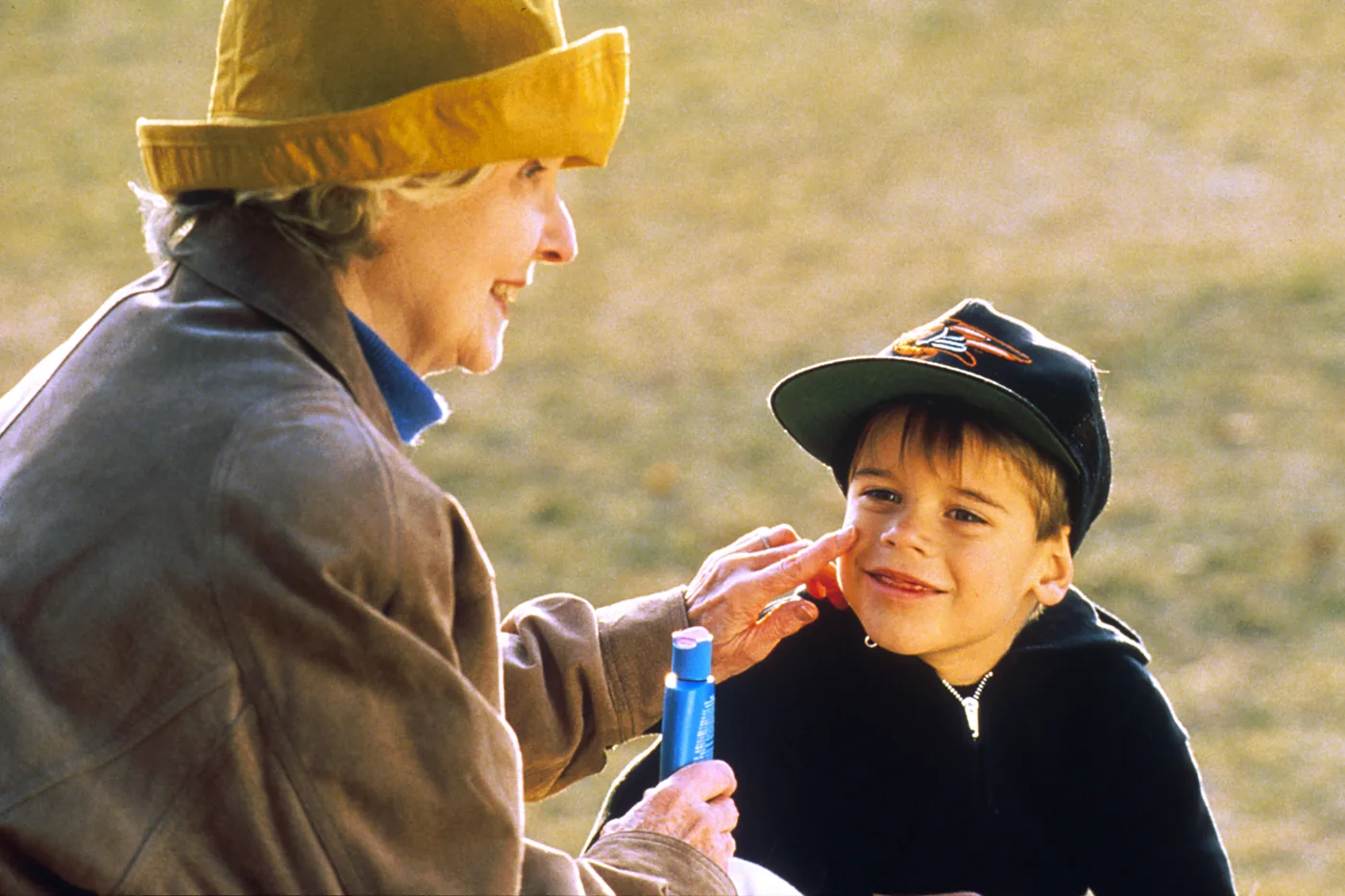
- Protect your skin later in the day. Sunscreen, a hat and shade from late morning to mid-afternoon, when UV is strongest.
Admittedly, none of this makes quite as entertaining a TikTok trend. But it gets much closer to the benefit people are actually looking for, while your perineum remains comfortably uninvolved.
What Ōmni thinks
We have a soft spot for strange wellness ideas, because the impulse behind them is often worth taking seriously: people want to sleep better, feel more alive and understand their bodies. Perineum sunning is something we would happily have a curious conversation about with you, but it is not something we recommend. Its benefits have never been tested, while the risks of deliberately exposing sensitive skin to UV are much better understood.
We do not sell sunshine. What we do have at Ōmni Space in Thảo Điền is a private infrared and red-light sauna, float rooms and a private cold plunge. Infrared and red light sit in a different part of the light spectrum from ultraviolet: they provide warmth without being the wavelengths responsible for sunburn or tanning. If what you are looking for from “light therapy” is warmth, calm and a quiet half hour that belongs entirely to you, that is the more grounded version we can offer. Our infrared sauna page explains how it works, and our infrared vs Finnish sauna guide compares the two.
Ōmni Space – Float Saigon is at 16C Quốc Hương, Thảo Điền, open 9:00–21:00 daily; the last float starts at 20:00, and walk-ins are welcome until 18:00. The sauna is 450,000 VND on its own or 200,000 VND added to a float; a float is 1,500,000 VND for 60 minutes or 2,000,000 VND for 90 minutes. If floating is new to you, start with what float therapy is.
Float PlanRunning on empty?Take the one-minute Float Plan quiz: tell us how you feel and what you need, and get a simple plan for your first session.Make my Float PlanFAQ
Does perineum sunning work?
There is no good evidence that it does. No study has tested the practice, while benefits such as better sleep and more daytime energy are linked to daylight reaching the eyes, not sunlight reaching the perineum.
Is perineum sunning dangerous?
It can be. The skin there is thin and rarely exposed to sunlight, so it can burn easily, and UV radiation is a known cause of skin cancer. Dermatologists also flag UV damage on skin affected by HPV as a particular concern.
Is perineum sunning really an ancient Taoist practice?
Taoist traditions do give the perineum (Huiyin) a special role, but we found no classical text instructing people to expose it to sunlight. The modern trend took off on Instagram in 2019.
Does sunning the perineum give you more vitamin D?
Not in any special way. Your skin produces vitamin D wherever UVB reaches it, and exposing one small patch for a few seconds provides a tiny dose compared with your face and arms during a normal walk outdoors.
What is a better way to use sunlight for sleep and energy?
Spend time outdoors in the first hours after waking, without staring directly at the sun, and keep your evenings dim. That light-dark pattern helps steady your body clock, and you can do the whole thing fully clothed.
Written by the team at Ōmni Space – Float Saigon in Thảo Điền, Vietnam’s pioneer float centre since 2017. General information, not medical advice; sources checked on 30 October 2026.
Sources
- Sharkey L. Perineum sunning: benefits, risks and more. Healthline (medically reviewed by Megan Slomka, MSN, APRN; updated 23 December 2025).
- Chen T (2019). I spoke to the Instagrammer who went viral for promoting perineum sunning. BuzzFeed News.
- Heart (4 December 2019). Josh Brolin burns his bum after trying a naked wellness trend.
- Blume C, Garbazza C, Spitschan M (2019). Effects of light on human circadian rhythms, sleep and mood. Somnologie 23(3): 147–156.
- Wright KP Jr et al. (2013). Entrainment of the human circadian clock to the natural light-dark cycle. Current Biology 23(16): 1554–1558.
- IARC (1992). Solar and ultraviolet radiation. IARC Monographs on the Evaluation of Carcinogenic Risks to Humans, Volume 55.
- US Centers for Disease Control and Prevention. Cancers linked with HPV each year (checked 30 October 2026).
- Holick MF (2007). Vitamin D deficiency. New England Journal of Medicine 357(3): 266–281.
Leave a Reply