
In short: Testicle cooling (“ball icing”) went viral with a tempting promise: higher testosterone. But we found no study showing that icing the testicles actually raises testosterone. The real science points in a different direction. Sperm production works best a few degrees cooler than the rest of the body, and regular heat exposure (sauna, hot tubs, a laptop on your lap, tight underwear) is linked to lower sperm quality. In the studies, those effects faded again within months after the heat stopped. Gentle scrotal cooling has also been explored, but only in small, early studies involving men with fertility problems, not healthy men trying to boost hormones. If you are trying for a baby, reducing genital heat is the better-supported move.
Part of the Ōmni Recovery Library · Recovery by Temperature
You have probably seen it by now: a man on TikTok sitting with a bag of frozen peas in his lap, insisting his testosterone has never been better. Or an ad for underwear with a built-in pocket for an ice pack. It sounds ridiculous enough to laugh at, but plausible enough to make you wonder, especially if you are trying for a baby or happen to love your sauna. So let’s separate the part with real science behind it from the part the internet ran away with. By the end, you will know what heat actually does to sperm, what cooling has and has not been shown to do, and how to think about your sauna habit if fertility matters to you right now.
Ōmni Evidence Scale: No good evidence yet, for icing the testicles to raise testosterone. Early evidence, for gentle scrotal cooling to improve sperm in men with fertility problems: a few small studies, and a review that found a positive trend but no firm conclusion. See how we rate evidence on the Ōmni Evidence Scale.
What is testicle cooling?
The viral version is pretty simple: put an ice pack or a bag of frozen vegetables on the scrotum, or aim a cold shower at it for a few minutes a day. The idea spread through TikTok and the “looksmaxxing” corner of the internet, usually alongside claims of higher testosterone, more energy and more drive. There is also a quieter, more medical version: cooling underwear with a frozen gel insert, or devices that blow cool air, marketed mainly to men trying to improve their sperm count.
Both versions begin with a true biological fact, which is probably why the idea feels so convincing. They just take that fact in very different directions.
Why the testicles live outside the body
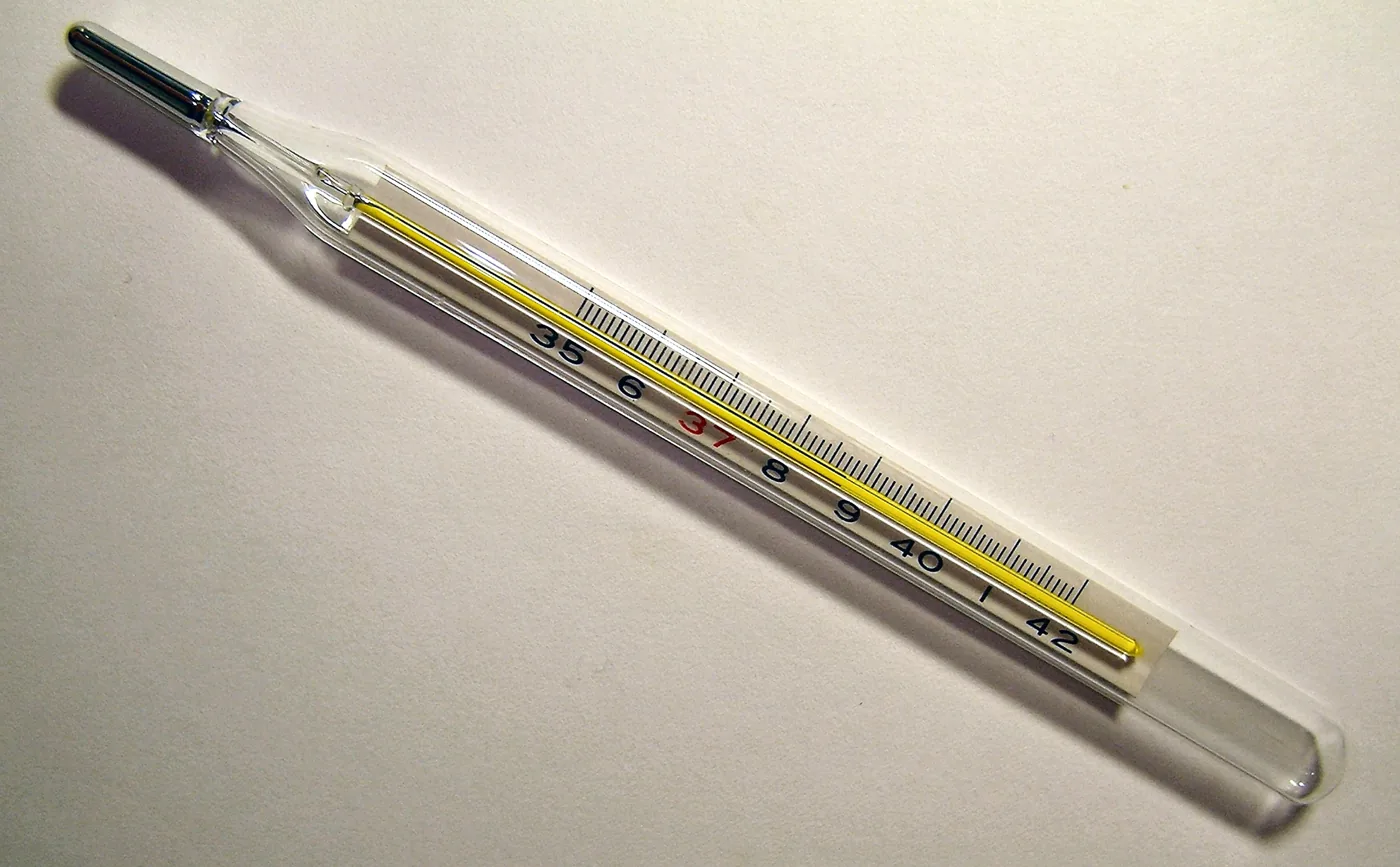
The testicles sit in the scrotum, outside the abdomen, for a reason: sperm production works best a little below core body temperature. Reviews of testicular physiology put the normal difference at about 2–4 °C cooler than the core. Your body actively manages this. When it is cold, a small muscle pulls the testicles closer to the body; when it is hot, that muscle relaxes and lets them hang lower. A network of veins surrounding the testicular artery also acts like a heat exchanger, helping cool the blood on its way in.
So yes, the testicles are quite literally designed to stay cool. The more interesting questions are what happens when we repeatedly warm them up, and whether making them even colder gives us anything extra.
What heat really does to sperm
This is where the evidence is strongest, and reassuringly, several different kinds of studies point in the same general direction.
Sauna
In a 2013 Italian study, ten healthy men with normal sperm used a Finnish sauna at 80–90 °C for 15 minutes, twice a week, for three months. By the end, their sperm count and motility had dropped markedly, and the researchers also saw changes in how the sperm’s DNA was packed. Their sex hormones, including testosterone, did not change significantly. The reassuring part came later: six months after the men stopped, everything had returned to normal. It is a small study, but it illustrates two useful things clearly. Regular hot sauna can affect sperm, and the effect appears to be reversible.
Hot tubs and hot baths
A 2007 pilot study from the University of California, San Francisco followed eleven men with fertility problems who regularly used hot tubs, jacuzzis or hot baths. After they stopped, five improved clearly, with average sperm motility rising from 12% to 34%. The men who did not improve were much heavier smokers, which is a useful reminder that heat is rarely the only thing affecting fertility.
Laptops and how you sit
In a 2005 study, 29 men sat with a working laptop on their laps for an hour. Their scrotal temperature rose by more than 2 °C. Interestingly, temperature also rose when they sat in the same position without a laptop, just not as much: simply keeping your thighs pressed together traps heat too. The study measured temperature rather than sperm quality, so it tells us about heat exposure, not proven damage.
Underwear
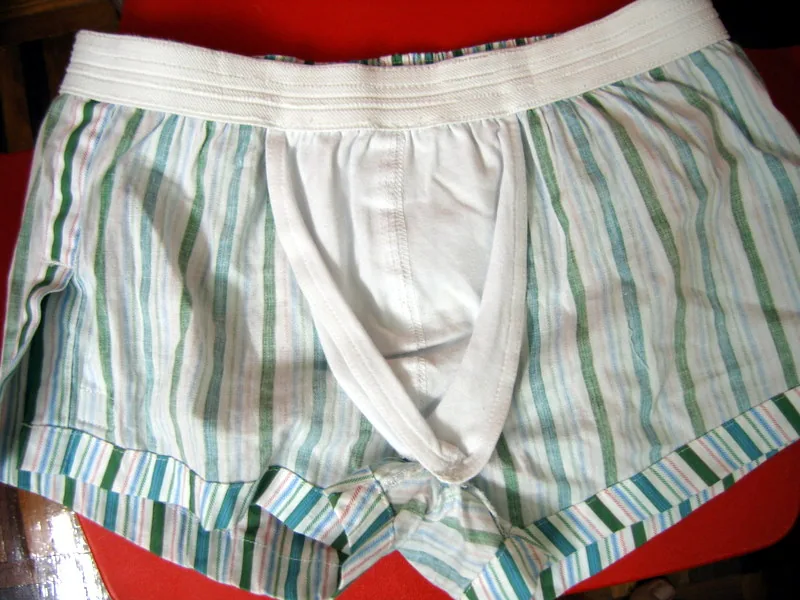
A 2018 Harvard study of 656 men at a fertility clinic found that men who mostly wore boxer shorts had a 25% higher sperm concentration and a 17% higher total sperm count than men who mostly wore tighter styles. That is an association, not proof that underwear caused the difference, but it fits neatly with the broader heat story.
Varicocele: heat from the inside
A varicocele is a group of enlarged veins in the scrotum, a little like varicose veins in the leg. It is found in about 15% of men in general and up to 35% of men with primary infertility, and one of the leading explanations is that pooled blood raises the temperature around the testicle. This is a medical condition with medical treatment; an ice pack does not fix it. If you notice a lump, swelling, heaviness or aching in the scrotum, that is worth a proper check-up rather than a home experiment.
One more number is useful here: making a sperm cell takes roughly two months from start to finish. That is why changes in heat exposure, whether helpful or harmful, tend to show up in a semen test weeks or months later rather than the next morning.
Does cooling help? What has been shown
If too much heat can lower sperm quality, the obvious next question is whether cooling can push it back up. Researchers have tested that idea, although the evidence is still early.
- Night-time air cooling. A 2001 German study gave men with poor semen quality a device that blew a stream of air over the scrotum at night, lowering scrotal temperature by about 1 °C, alongside simple changes to reduce daytime heat. After 12 weeks, sperm concentration and total sperm output rose substantially. There was no separate control group, though, so we cannot tell how much came from the cooling itself and how much came from the behaviour changes.
- The overall picture. A 2013 systematic review found eight studies of scrotal cooling. It concluded that there was not enough evidence for firm conclusions, although it noted a positive trend and called for proper randomised trials.
- Cooling underwear. A 2021 Swiss proof-of-concept study had three urologists wear ice-pack underwear for a week each. Their scrotal skin was about 0.7 °C cooler. The study did not measure sperm at all, and the authors were clear that any fertility benefit remains a hypothesis.
The important detail is who was actually studied: mainly men with fertility problems, with researchers measuring sperm rather than testosterone. Nobody has shown that putting an ice pack on the testicles each day improves anything in a healthy man.
And testosterone?
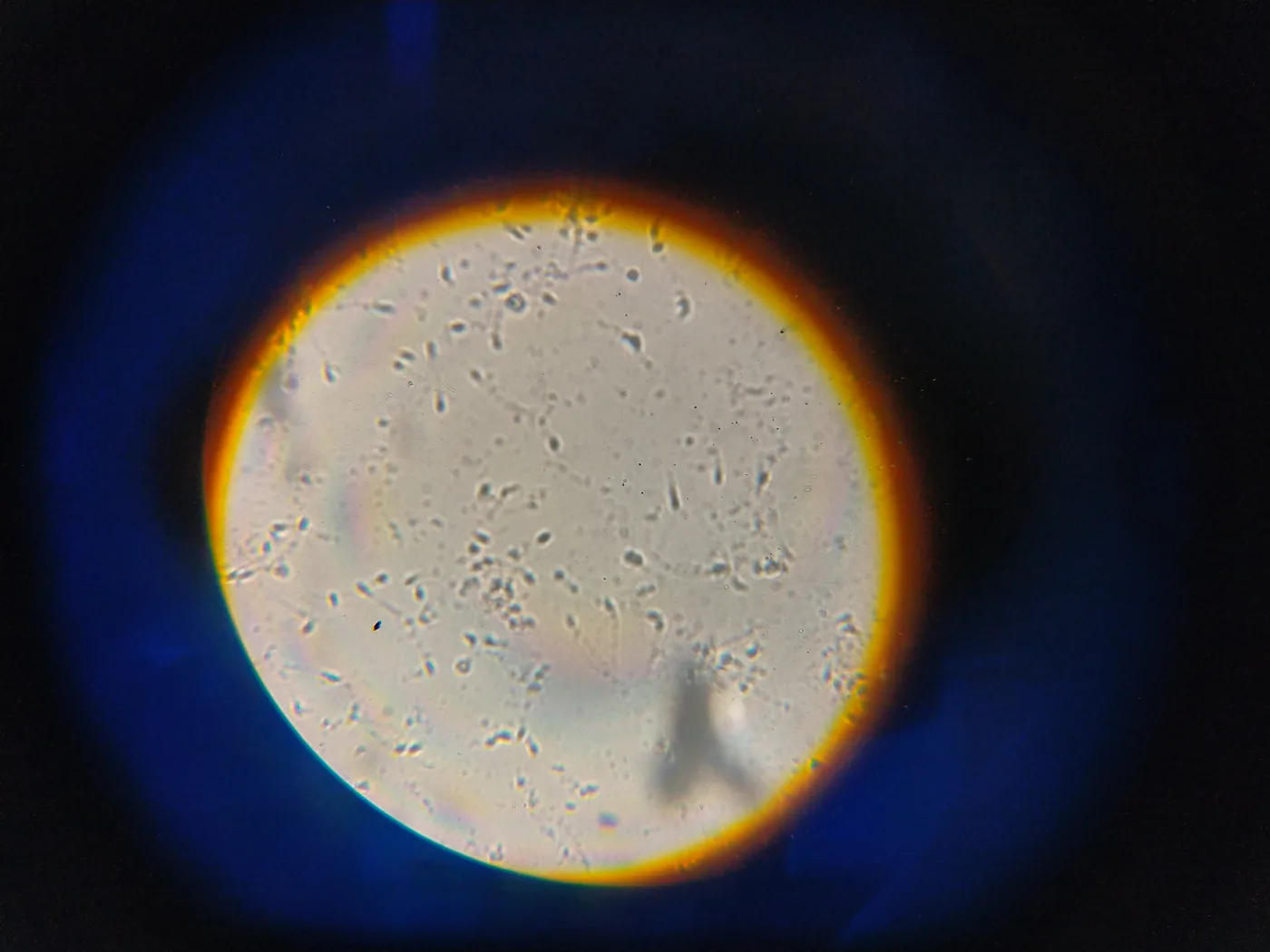
This is where the viral story starts to unravel. Testosterone is produced by a different set of cells in the testicle from the cells involved in making sperm, and the heat studies above suggest those testosterone-producing cells are much less sensitive to temperature. In the sauna study, sperm dropped sharply while testosterone and other sex hormones stayed essentially the same. In the underwear study, the hormone that differed was FSH, which signals the testicles to make sperm; the other reproductive hormones did not differ significantly between groups.
We found no controlled study showing that icing the testicles raises testosterone in men. You may certainly feel more awake after a cold shock, but that immediate jolt is your nervous system responding to cold, not evidence that your hormones have been rebuilt. If testosterone is your concern, a blood test, sleep, strength training and a healthy weight are much better places to start looking.
The risks, briefly
Putting ice or frozen gel directly on the skin can cause cold burns, and scrotal skin is thin. Numbness is a warning sign, not proof that the method is working. The subtler risk is losing time: treating a real issue, such as a varicocele or low sperm count, with frozen peas instead of getting a proper check-up and semen test.
What Ōmni thinks
We run a private infrared and red-light sauna and a private cold plunge, so we do have a stake in this conversation, which is exactly why we would rather be clear than convenient. The sauna and sperm research is real. Our sauna is infrared, with gentler and lower heat than the 80–90 °C Finnish sauna used in the Italian study, but nobody has shown that infrared heat leaves sperm completely untouched, and any heat that warms the scrotum is relevant. If you and your partner are actively trying to conceive, keeping sauna sessions occasional, or pausing for a few months, is a sensible choice; the research suggests that the effect fades after the heat exposure stops. If you are not trying for a baby right now, there is no reason to abandon a sauna you enjoy.
Our cold plunge is not a testosterone or fertility treatment, and we will not pretend that it is. People use it because it feels refreshing and wakes them up, and our cold plunge page explains how a 30-minute private session works. Cold water is a real stress on the body, so enter slowly, keep your breathing calm and steady, and never do forced or Wim Hof-style breathing in or near the water. Swimwear is needed for the cold plunge (please bring your own); the sauna and float rooms need none. For the bigger picture, see our guide to sauna and cold plunge.
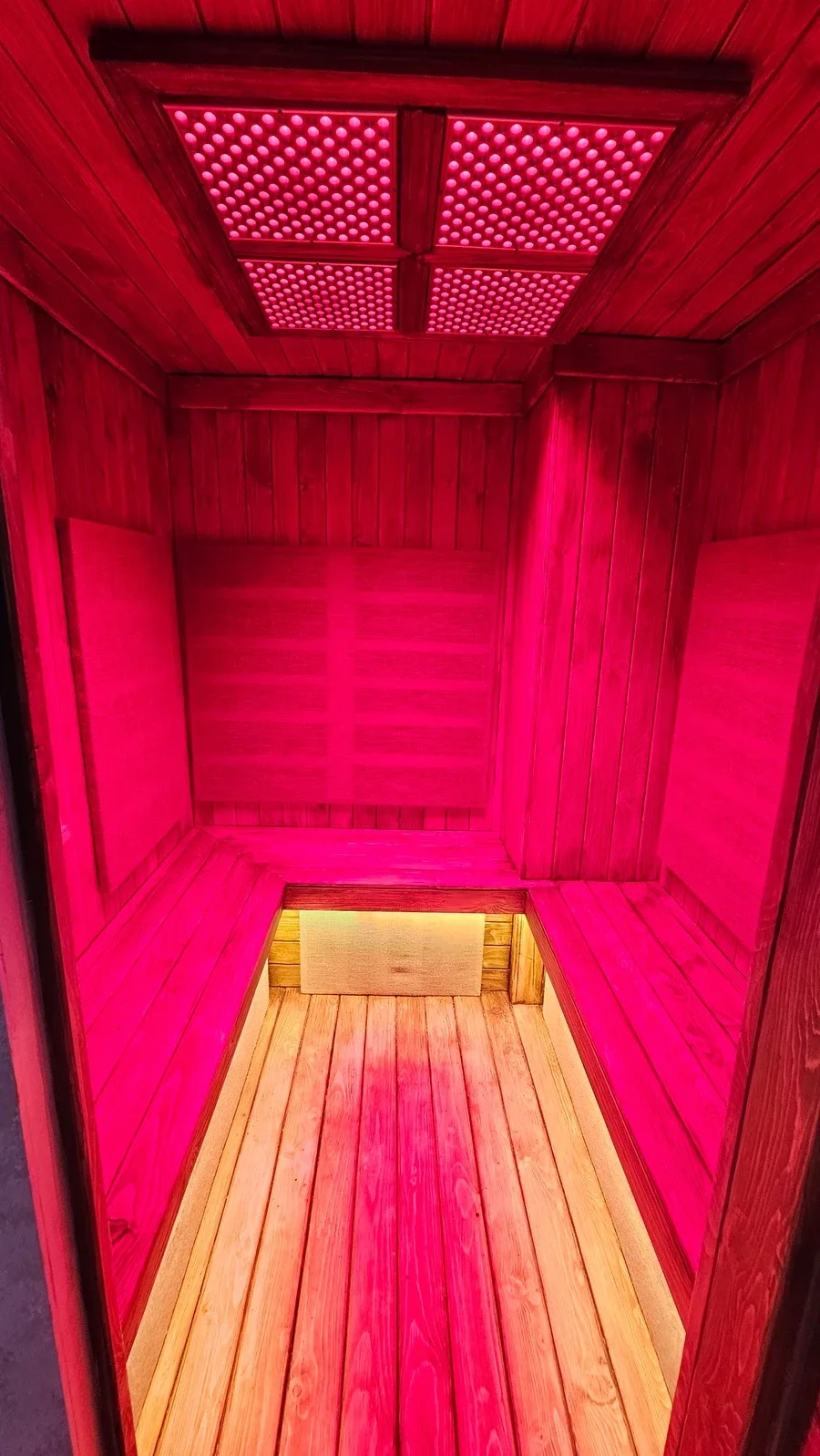
Ōmni Space – Float Saigon is at 16C Quốc Hương, Thảo Điền, open 9:00–21:00 daily; the last float starts at 20:00, and walk-ins are welcome until 18:00. The sauna or the cold plunge is 450,000 VND on its own, or 200,000 VND added to a float; a float is 1,500,000 VND for 60 minutes or 2,000,000 VND for 90 minutes.
Float PlanRunning on empty?Take the one-minute Float Plan quiz: tell us how you feel and what you need, and get a simple plan for your first session.Make my Float PlanFAQ
Does icing your testicles increase testosterone?
We found no controlled study showing that it does. Research on scrotal temperature mainly finds effects on sperm, while testosterone has stayed about the same.
Does sauna lower sperm count?
Regular hot sauna can. In a small 2013 study, twice-weekly Finnish sauna for three months lowered sperm count and motility, and both had returned to normal six months after the men stopped.
Can scrotal cooling improve fertility?
There are early encouraging signs in men with fertility problems, including studies using night-time air cooling, but a review found the evidence too limited for firm conclusions. Reducing everyday genital heat is the better-supported first step.
Are boxers better than briefs for sperm?
In a 2018 study of 656 men, those who mostly wore boxers had higher sperm concentration and count. That shows an association rather than proof, but looser underwear is a simple change to make.
Should I stop using the sauna if we are trying for a baby?
Keeping sauna occasional or pausing it for a few months while trying to conceive is a sensible choice. The research suggests the effect on sperm fades after the heat exposure stops.
Written by the team at Ōmni Space – Float Saigon in Thảo Điền, Vietnam’s pioneer float centre since 2017, which offers the sauna and cold plunge mentioned here. General information, not medical advice; sources checked on 30 October 2026.
Sources
- Garolla A, Torino M, Sartini B et al. (2013). Seminal and molecular evidence that sauna exposure affects human spermatogenesis. Human Reproduction 28(4): 877–885.
- Shefi S, Tarapore PE, Walsh TJ, Croughan M, Turek PJ (2007). Wet heat exposure: a potentially reversible cause of low semen quality in infertile men. International Brazilian Journal of Urology 33(1): 50–57.
- Sheynkin Y, Jung M, Yoo P, Schulsinger D, Komaroff E (2005). Increase in scrotal temperature in laptop computer users. Human Reproduction 20(2): 452–455.
- Mínguez-Alarcón L, Gaskins AJ, Chiu YH et al. (2018). Type of underwear worn and markers of testicular function among men attending a fertility center. Human Reproduction 33(9): 1749–1756.
- Alsaikhan B, Alrabeeah K, Delouya G, Zini A (2016). Epidemiology of varicocele. Asian Journal of Andrology 18(2): 179–181.
- Jung A, Eberl M, Schill WB (2001). Improvement of semen quality by nocturnal scrotal cooling and moderate behavioural change to reduce genital heat stress in men with oligoasthenoteratozoospermia. Reproduction 121(4): 595–603.
- Nikolopoulos I, Osman W, Haoula Z, Jayaprakasan K, Atiomo W (2013). Scrotal cooling and its benefits to male fertility: a systematic review. Journal of Obstetrics and Gynaecology 33(4): 338–342.
- Zumstein V, Vetterlein MW, Piller Hoffer A, Schmid HP, Engeler D, Betschart P (2021). Stay cool! Special underwear for cyclic cooling significantly decreases scrotal skin temperature. Central European Journal of Urology 74(3): 468–470.
- De Toni L, Finocchi F, Jawich K, Ferlin A (2023). Global warming and testis function: a challenging crosstalk in an equally challenging environmental scenario. Frontiers in Cell and Developmental Biology 10: 1104326.
- Heller CG, Clermont Y (1963). Spermatogenesis in man: an estimate of its duration. Science 140(3563): 184–186.
Leave a Reply