
In short: Sleep tourism means planning a trip around rest, not around a packed list. In Saigon that means a dark, cool, quiet room, morning light and regular hours, coffee before noon, little alcohol at night, and slow days in a green district such as Thảo Điền. Expect a rough first night: that is normal. Floating may help you relax, but its evidence for sleep is still early.
This guide was written by the team at Ōmni Space, a float and recovery centre in Thảo Điền, Ho Chi Minh City. Our team opened Vietnam’s first float centre in 2017. Here we explain what sleep tourism is, what the science says about sleeping well away from home, and how to plan two or three calm days in Saigon. It is written for visitors, but it works just as well as a staycation plan if you live here. This is general information, not medical advice.
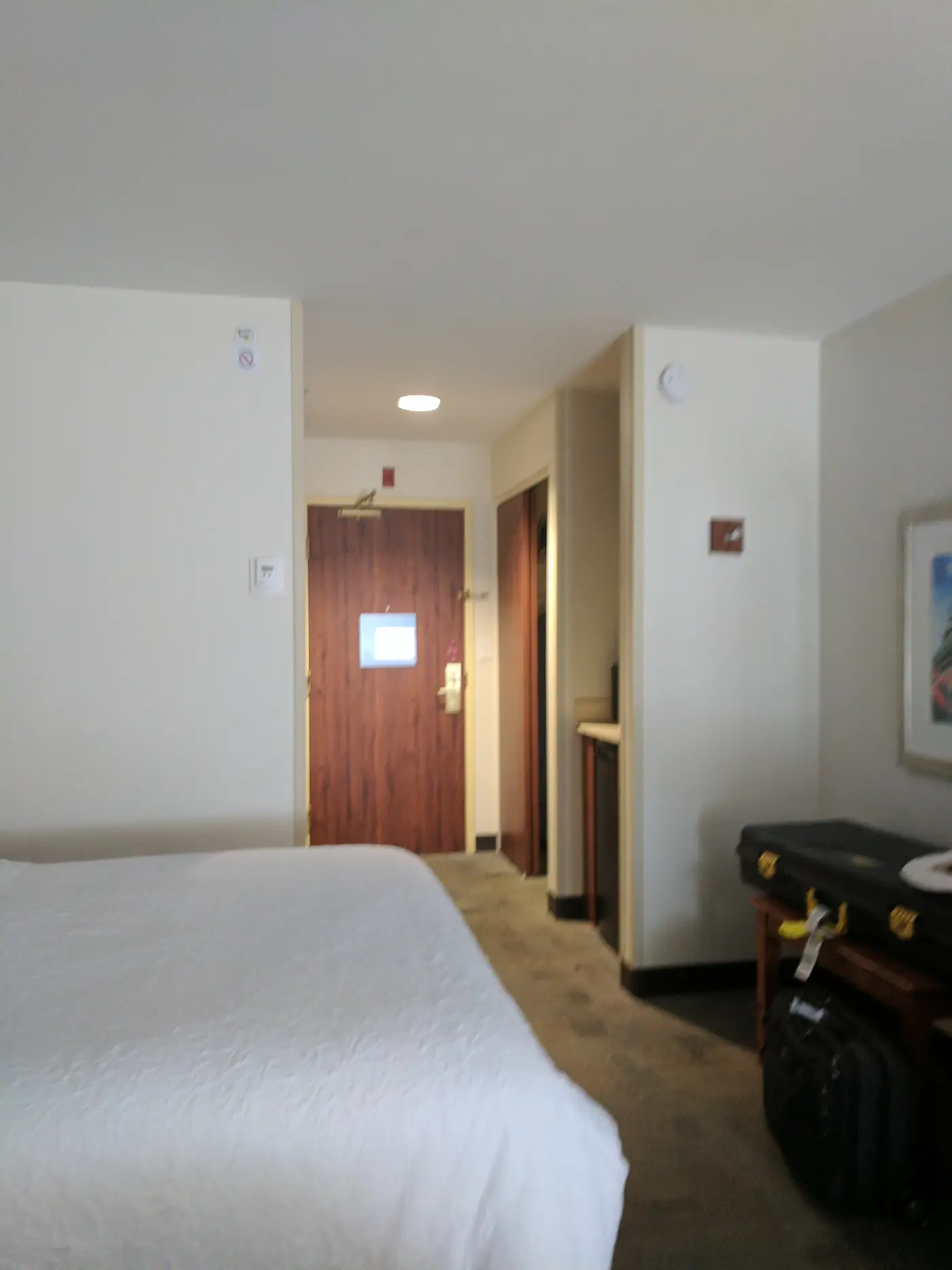
What sleep tourism is, and why it is growing
Sleep tourism means travelling with rest as a main goal: a quiet place to stay, a protected sleep schedule, and activities that calm you rather than wear you out.
Two industry surveys show why the idea has caught on. Hilton’s 2025 Trends Report, based on an Ipsos poll of 13,001 adults in 13 countries in June 2024, has a section called “Sleep Tourizzzm 2.0”. It found that over half of respondents sleep better in hotels, and that 1 in 5 enjoys “hurkle-durkling”, a Scottish word for lounging in bed on purpose, while on holiday. The Global Wellness Institute reports the other side: in a 2024 survey by its Sleep Initiative and Serta Simmons Hospitality Bedding, 63% of travellers said they sleep worse while away, with noise (75%), lighting (72%) and bedding (70%) the top complaints.
These are industry surveys, not scientific studies, but together they make a fair point: a trip can rest you or drain you, and much of the difference lies in details you control.
Why the first night away is often the worst
Many people sleep badly on night one in a new place. Sleep researchers call it the first-night effect, and a 2016 study in Current Biology offered an explanation. Using brain imaging during sleep, Tamaki and colleagues found that on the first night one half of the brain slept less deeply than the other. That “night watch” side reacted more strongly to unusual sounds, and the bigger the imbalance, the longer people took to fall asleep. The effect was gone on later nights.
So give yourself at least two nights and keep the first evening light. If you are also crossing time zones, read our jet lag plan for Vietnam.
Sleep basics that travel well
Good sleep advice is simple, and it travels well. Here is what the main public-health sources agree on, with the research behind it.
- Keep regular hours. The CDC advises going to bed and getting up at the same time every day; the NHS adds that this includes days off.
- Use light on purpose. Light reaching the eyes is the main signal that sets the body clock, and light at night can shift that clock and disturb sleep (Blume et al., 2019). Get outside in daylight in the morning, keep evenings dim, and put screens away before bed: at least 30 minutes, says the CDC; an hour, says the NHS.
- Keep the room cool. Heat makes people wake more and cuts deep sleep and dream (REM) sleep, and humid heat adds to the load (Okamoto-Mizuno and Mizuno, 2012). The NHS suggests a room that is quiet, dark and cool.
- Try a warm shower 1–2 hours before bed. A review of 17 studies found that a warm shower or bath at about 40–42.5 °C, taken 1–2 hours before bedtime, was linked to better sleep, and even 10 minutes helped people fall asleep faster (Haghayegh et al., 2019).
- Time your coffee. In a small 2013 trial, a large dose of caffeine (400 mg) disturbed sleep even when taken six hours before bed (Drake et al.). The authors suggest avoiding substantial caffeine for at least six hours before bedtime.
- Go easy on alcohol at night. Alcohol helps you fall asleep faster but disrupts the second half of the night and delays dream sleep (Ebrahim et al., 2013). The NHS advises avoiding alcohol and nicotine for 1 to 2 hours before bed.
Ōmni Evidence Scale: Promising (morning light, dim evenings and regular hours). How light sets the body clock is well understood, but few trials have tested these habits in travellers.
Ōmni Evidence Scale: Promising (a warm shower 1–2 hours before bed). A meta-analysis points the same way, though the number of studies is small and the best timing is not settled.
Ōmni Evidence Scale: Promising (cutting off caffeine and evening alcohol). Lab studies show clear effects on sleep, but the caffeine trial was small and used a large dose.
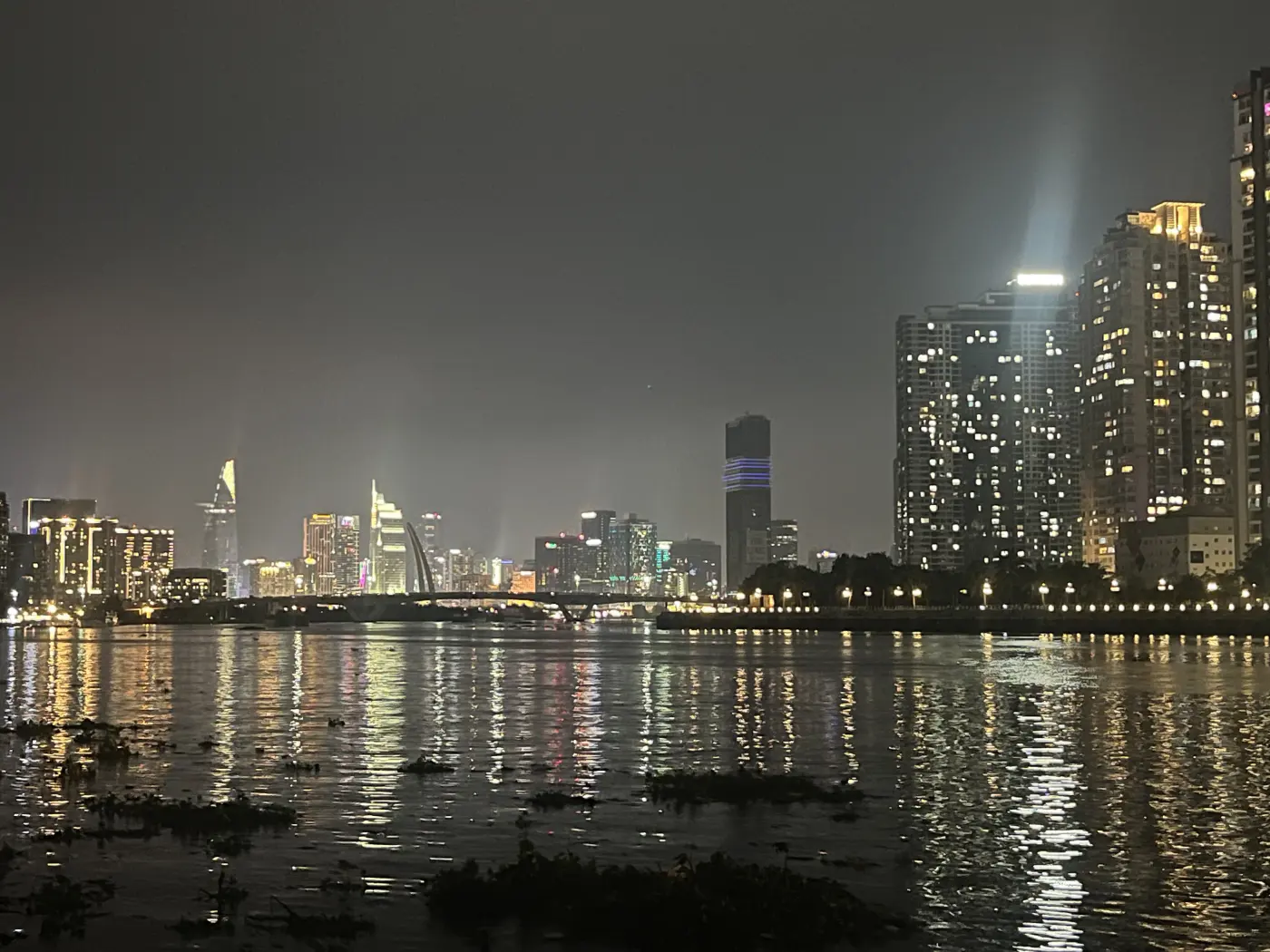
Heat and noise: Saigon-specific tips
Saigon is hot, humid and full of motorbikes, so focus on two things: cool and quiet.
- Cool the room before bed. Run the air conditioning or a fan before you lie down, and keep curtains closed by day. In the rainy season (roughly May to November), afternoons are often stormy and nights stay humid.
- Ask for a quiet room. When you book, ask for a room away from the street, the lift and the bar.
- Pack earplugs and an eye mask. The NHS suggests both, along with closing curtains fully and using background sound such as white noise. A review of 19 studies with 1,379 people, mostly in hospital intensive care, found that earplugs and eye masks improved how well people felt they slept (Locihová et al., 2018).
- Keep the day’s heat in check. Spend the hottest hours indoors. Our Saigon heat guide covers cooling down safely and the warning signs of heat illness.
Ōmni Evidence Scale: Early evidence (earplugs and eye masks). Most studies were in intensive care units, not hotels, and they measured how people felt rather than sleep itself.
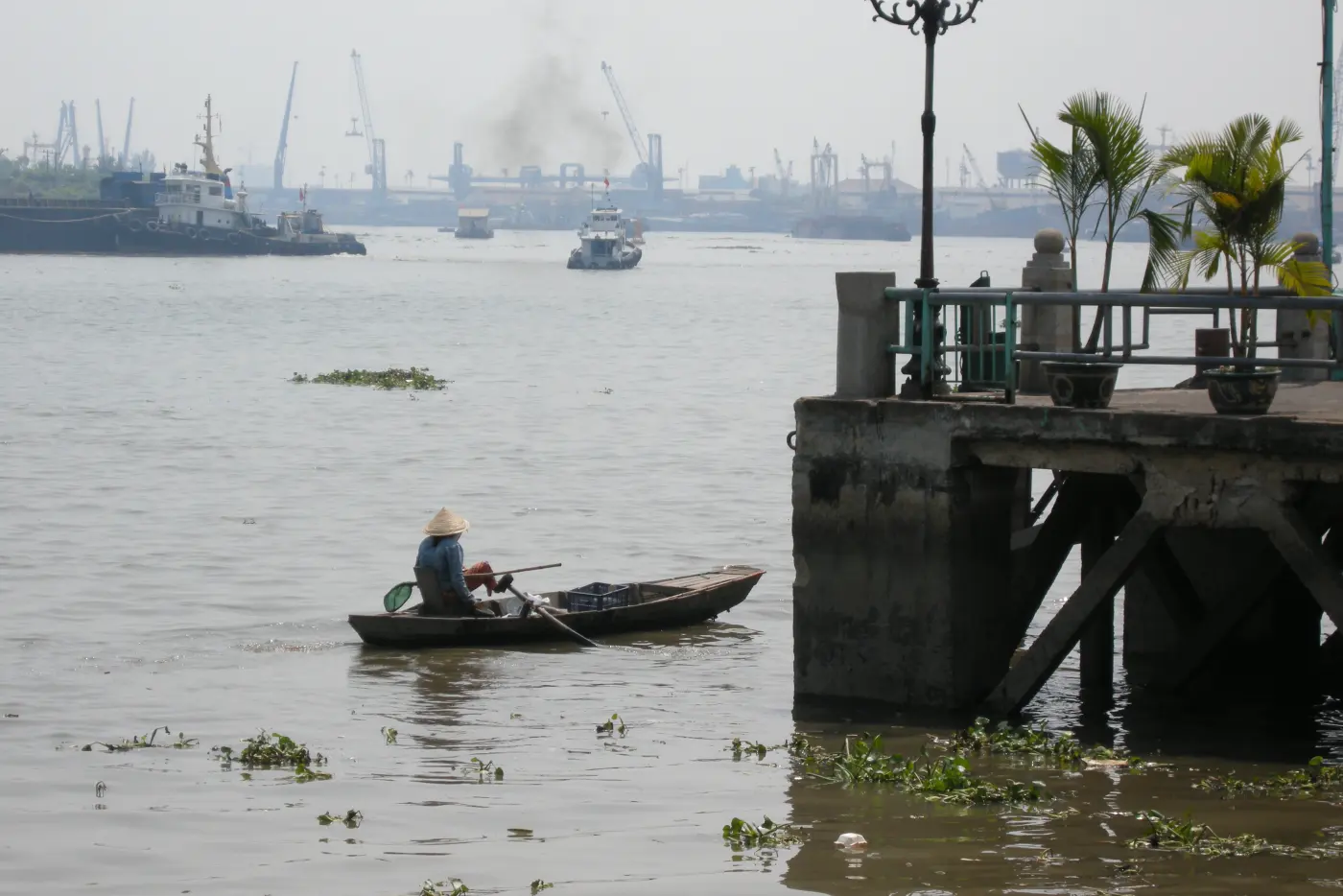
A calm 2–3 day plan in Thảo Điền
Thảo Điền is a leafy, walkable riverside neighbourhood across the river from the city centre, and where our team works every day. The plan keeps each day simple, puts the hottest hours indoors and protects the evenings. For the full list of places, see our Thảo Điền guide; for a version that includes District 1, see our slow 3-day itinerary.
| When | What to do | Why it helps sleep |
|---|---|---|
| Day 1, afternoon | Arrive, unpack, take a short walk along Xuân Thủy street. If you need a nap, keep it short. | Daylight and gentle movement tell your body clock where you are |
| Day 1, sunset | Walk through Làng Báo Chí to the public riverside path at the end and watch the sun go down (around 17:30–18:00). | Fading light is the start of your wind-down |
| Day 1, evening | An early, light dinner, such as bún riêu at Cô Hương Béo (33A Nguyễn Văn Hưởng). Warm shower, dim lights, bed. | No heavy meal or late drinks on the first night |
| Day 2, morning | Wake at your usual time. Breakfast at Phở Gà Phố Cổ (12 Đường số 10), then a coffee at Hue Cafe Roastery (67B Xuân Thủy). | Same wake time; your caffeine comes early |
| Day 2, late morning | Quang San Art Museum (189B/3 Nguyễn Văn Hưởng), a private museum by the river. Closed on Mondays. | A quiet, cool place for the hottest part of the day |
| Day 2, lunch | Bún chả at Bà Thảo (64 Nguyễn Cừ). Eat lightly if you plan to float. | Big meals are better at midday than at night |
| Day 2, afternoon or evening | Your long rest: a float, a nap or a book in the shade. | Deep relaxation, without screens |
| Day 3 | A slow morning, then a last look at the river from the bank near Thảo Điền market, by the new boat pier. | End the trip rested, not rushed |
Live in Saigon? The same plan makes a good staycation: book a quiet room nearby, leave the laptop at home, and treat it as two nights of practising good sleep habits. Flying out late on your last day? Our visitor guide has tips on showers, luggage and getting to the airport.
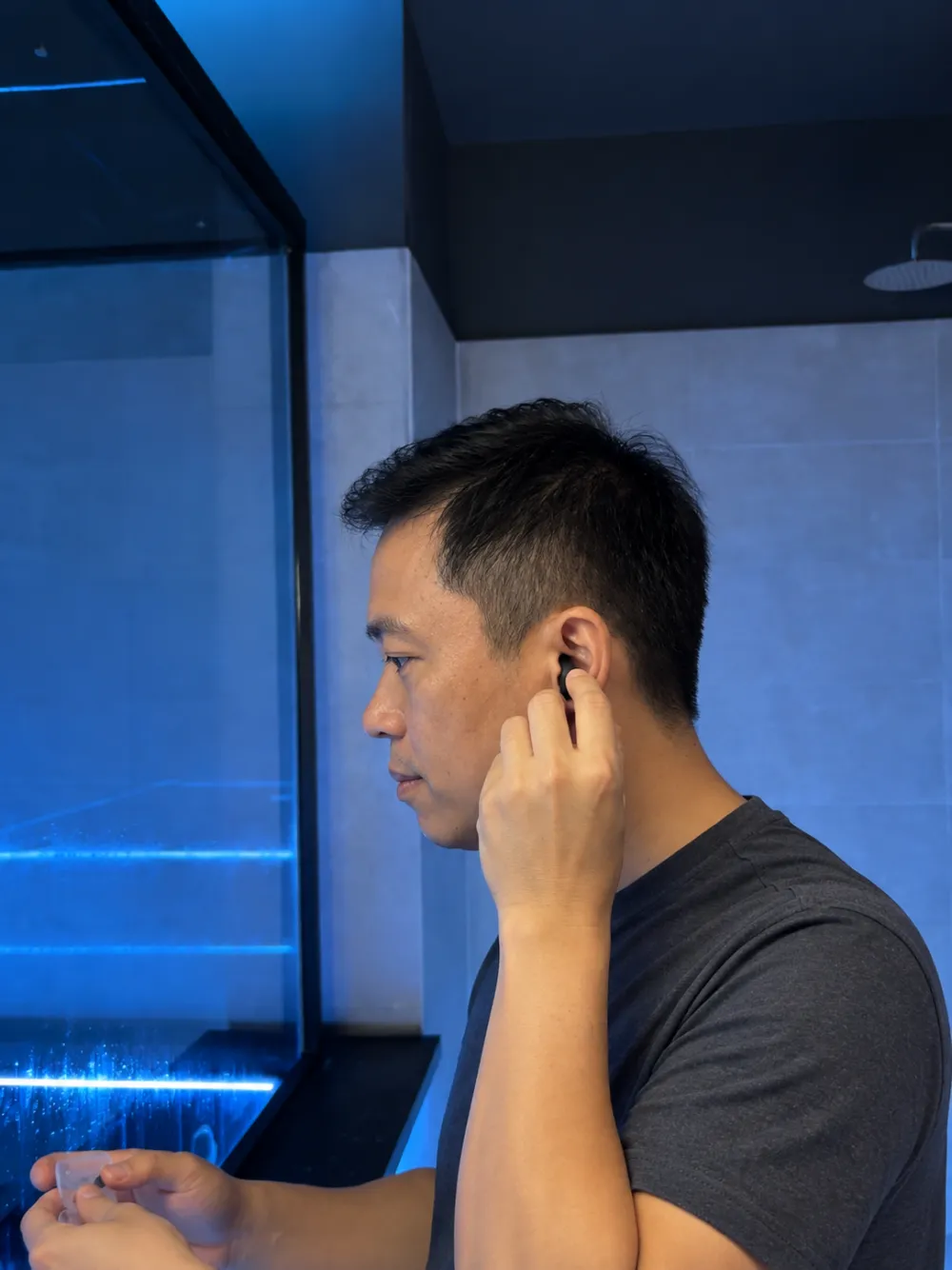
Where floating fits
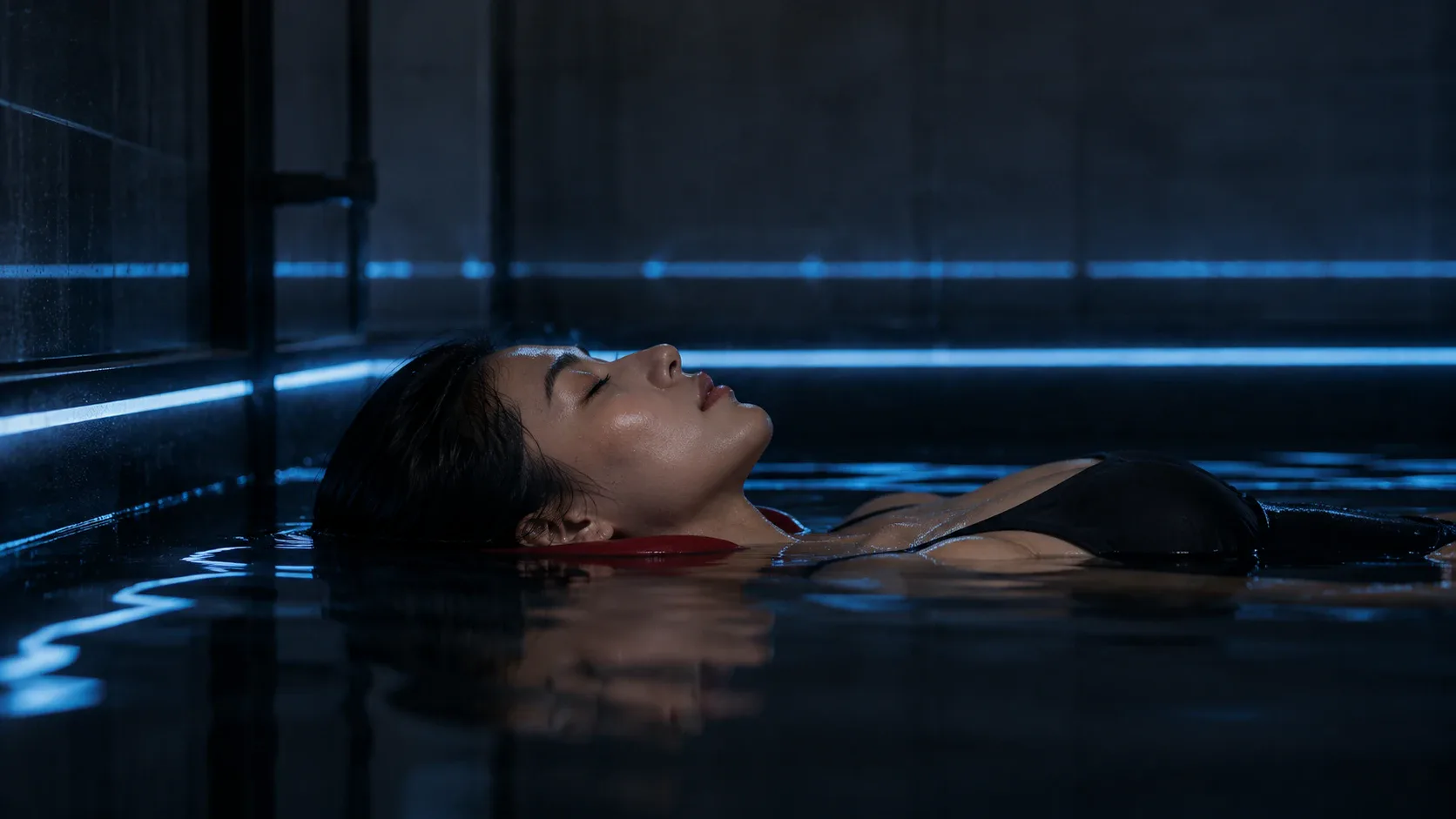
Floating means lying in warm water so full of Epsom salt that you float without effort, in darkness and quiet (see what float therapy is). Does it help sleep? Possibly, but the research is small.
In a Swedish pilot trial, 65 healthy adults were randomly assigned to 12 float sessions over seven weeks or to a waiting list. The float group reported less stress and better sleep quality (Kjellgren and Westman, 2014). A later study of six people with diagnosed insomnia, who each did 12 floats of 45 minutes, had mixed results: three improved on their main sleep problem, and two did not improve on any sleep measure (Norell-Clarke et al., 2022). We cover this in more detail in floating for sleep.
Ōmni Evidence Scale: Early evidence (float for sleep). Results point in a good direction, but the studies are small and rely mostly on self-reported sleep.
The evidence for stress is stronger. In a 2018 study of 50 people with anxiety and stress-related conditions, one hour of floating sharply reduced anxiety right after the session, and participants also reported less stress and muscle tension (Feinstein et al., 2018).
Ōmni Evidence Scale: Strong evidence (float for stress). Several trials point the same way, though most are small. We rate it Strong because, on top of these trials, user experience is overwhelmingly positive: in a 2025 survey of regular floaters, 92% reported relaxation and 77% less stress, echoed by thousands of reviews, Reddit threads and forums, and by athletes and public figures who float.
Think of a float as a deep, quiet pause in your trip, not a sleep treatment. At our centre, the last session starts at 20:00. Online bookings for sessions starting at 19:30 or later carry a 10% surcharge, and online bookings from Monday to Friday between 10:00 and 15:00 are 20% off.
Safety notes
- Poor sleep for weeks or months is not a travel problem. The NHS advises seeing a doctor if changing your sleep habits has not helped, if you have had trouble sleeping for months, or if it is making daily life hard. The main treatment it names is cognitive behavioural therapy (CBT). Our insomnia plan for Saigon explains how floating can sit alongside proper care.
- Sleep aids and melatonin: ask a doctor or pharmacist first, especially if you take other medicines or are pregnant.
- Before a float: every guest fills in a short health questionnaire. Do not float after alcohol or drugs, with an open wound, or while menstruating; if you are pregnant or have epilepsy, heart or kidney disease, ask your doctor first and tell the centre.
Where to try it in Saigon
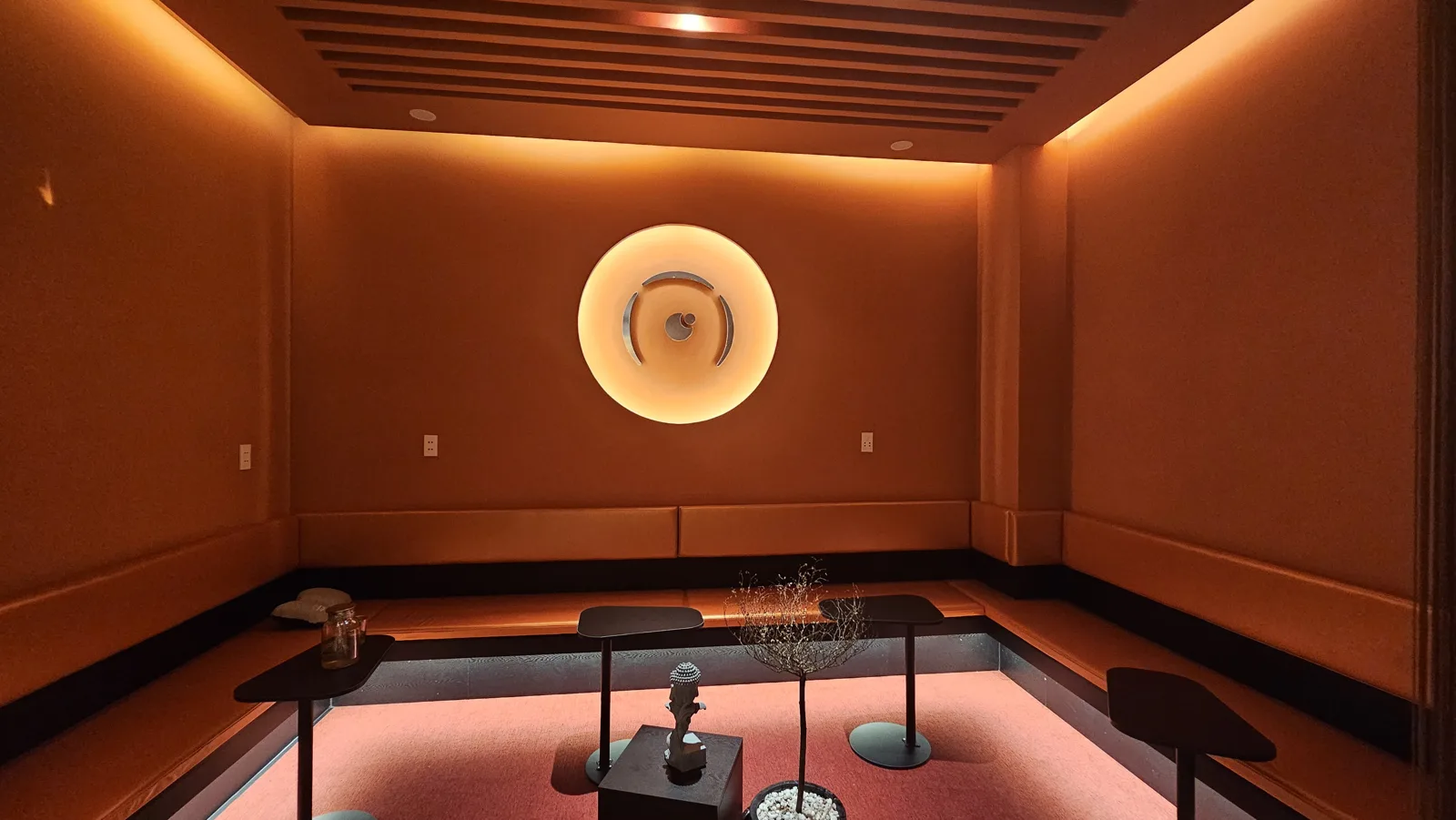
For a wider choice of calm places, from yoga studios to spas and saunas, browse our Saigon Wellness Map; we describe each place neutrally and do not rate them. If you would like to add a float to your trip, Ōmni Space is at 16C Quốc Hương, Thảo Điền, open daily 9:00–21:00. A single float starts from 1,500,000 VND for 60 minutes and a couple float from 2,200,000 VND. See all services and prices, read before your first float, or find how to get here. Our Evidence Scale explains how we rate each method.
FAQ
What is sleep tourism?
Travel planned around rest: a quiet, dark room, a steady routine and calm activities, so you come home better slept rather than more tired. Hotel and wellness surveys from 2024 and 2025 describe it as a growing trend.
Why do I sleep badly on the first night of a trip?
It is called the first-night effect. A 2016 brain-imaging study found that, in a new place, one side of the brain sleeps less deeply and stays more alert to unfamiliar sounds. It faded on later nights, so plan at least two nights and keep the first evening easy.
Does Vietnamese coffee keep you awake?
Any coffee can. In a 2013 study, a large dose of caffeine still disturbed sleep when taken six hours before bed. On a sleep-focused trip, enjoy your cà phê in the morning and switch to caffeine-free drinks after lunch.
Can floating help me sleep?
Possibly, but the evidence is early. Small studies found better self-rated sleep after a series of floats, with mixed results in people with insomnia. The evidence that floating eases stress is stronger. It is a way to relax, not a sleep treatment.
Can I float in the evening at Ōmni Space?
Yes. The last session starts at 20:00. Online bookings starting at 19:30 or later carry a 10% surcharge, while weekday sessions between 10:00 and 15:00 booked online are 20% off.
Sources
- Hilton. 2025 Trends Report: The Vacation Maximized (fact sheet; Ipsos poll of 13,001 adults in 13 countries, June 2024).
- Global Wellness Institute. Sleep Initiative Trends for 2025, 2 April 2025.
- Tamaki M, Bang JW, Watanabe T, Sasaki Y. Night watch in one brain hemisphere during sleep associated with the first-night effect in humans. Current Biology, 2016.
- US Centers for Disease Control and Prevention (CDC). About Sleep, 2024.
- NHS Every Mind Matters. How to fall asleep faster and sleep better.
- NHS. Insomnia.
- Blume C, Garbazza C, Spitschan M. Effects of light on human circadian rhythms, sleep and mood. Somnologie, 2019.
- Okamoto-Mizuno K, Mizuno K. Effects of thermal environment on sleep and circadian rhythm. Journal of Physiological Anthropology, 2012.
- Haghayegh S, Khoshnevis S, Smolensky MH et al. Before-bedtime passive body heating by warm shower or bath to improve sleep: a systematic review and meta-analysis. Sleep Medicine Reviews, 2019.
- Drake C, Roehrs T, Shambroom J, Roth T. Caffeine effects on sleep taken 0, 3, or 6 hours before going to bed. Journal of Clinical Sleep Medicine, 2013.
- Ebrahim IO, Shapiro CM, Williams AJ, Fenwick PB. Alcohol and sleep I: effects on normal sleep. Alcoholism: Clinical and Experimental Research, 2013.
- Locihová H, Axmann K, Padyšáková H, Fejfar J. Effect of the use of earplugs and eye mask on the quality of sleep in intensive care patients: a systematic review. Journal of Sleep Research, 2018.
- Kjellgren A, Westman J. Beneficial effects of treatment with sensory isolation in flotation-tank as a preventive health-care intervention: a randomized controlled pilot trial. BMC Complementary and Alternative Medicine, 2014.
- Norell-Clarke A, Jonsson K, Blomquist A et al. A study of flotation-REST as an insomnia treatment. Sleep Science, 2022.
- Feinstein JS, Khalsa SS, Yeh HW et al. Examining the short-term anxiolytic and antidepressant effect of Floatation-REST. PLoS One, 2018.
Leave a Reply