
In short: Contrast therapy means switching between heat (a sauna or hot bath) and cold water, usually for two or three rounds. Trials suggest it eases muscle soreness better than resting, but not better than cold water alone. Evidence for mood is early, and heart claims come from sauna-only studies. Go slowly, rest between rounds, drink water and skip alcohol.
This guide was written by the team at Ōmni Space, a float and recovery centre in Thảo Điền with an infrared sauna and a cold plunge side by side. “Hot then cold” is one of Saigon’s fastest-growing wellness habits, and guests ask us the same questions every week: how many rounds, how long, which comes last, and is it safe in this heat? Here is what the research says, rated on our Ōmni Evidence Scale. For each half on its own, read our sauna guide and our ice bath and Wim Hof guide.
What is contrast therapy?
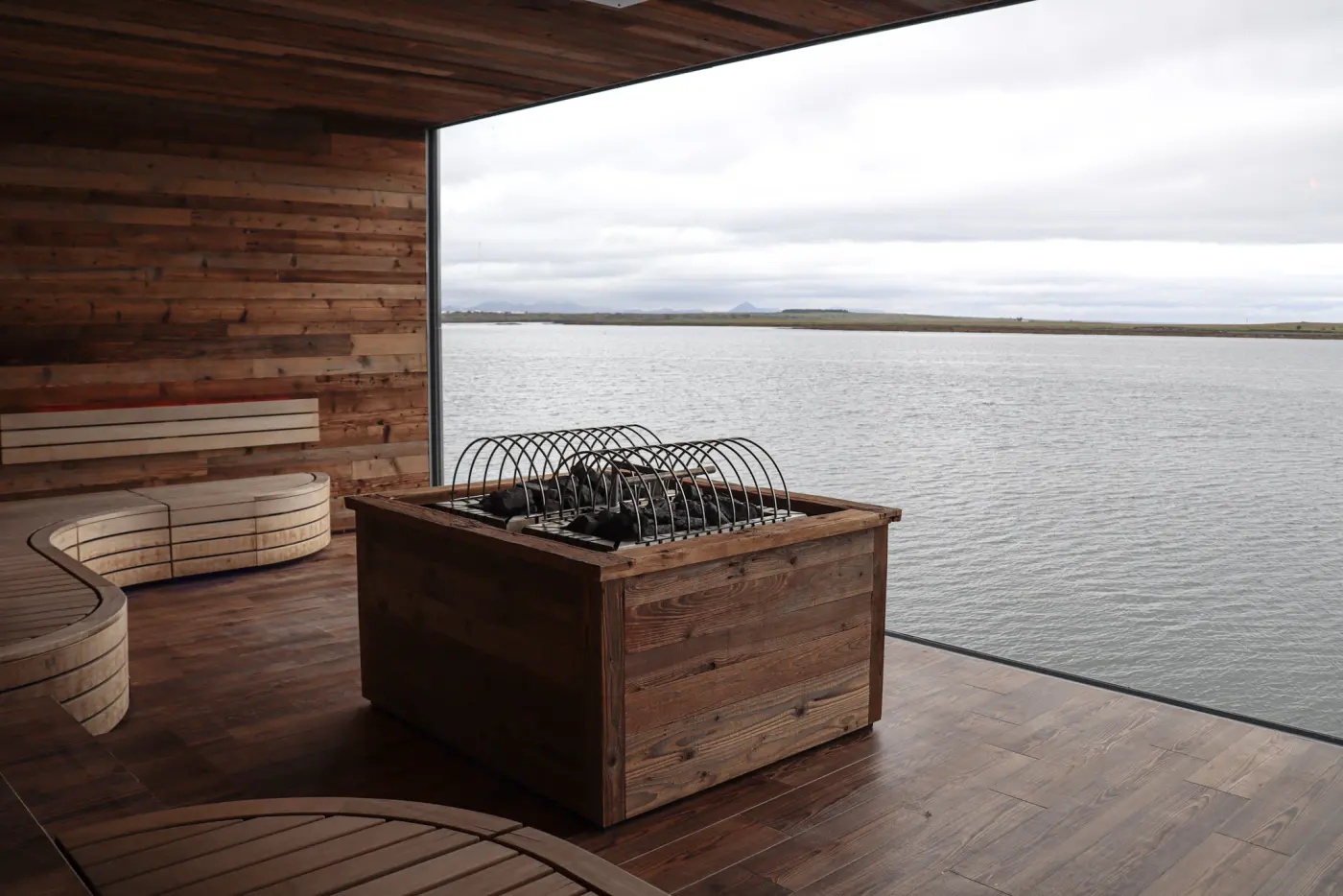
Contrast therapy means moving your body between hot and cold, on purpose, more than once. Today that usually looks like a sauna, then a cold plunge, then a rest, then another round. In sports science you will also see “contrast water therapy” (CWT): short dips alternating between a hot tub and a cold tub.
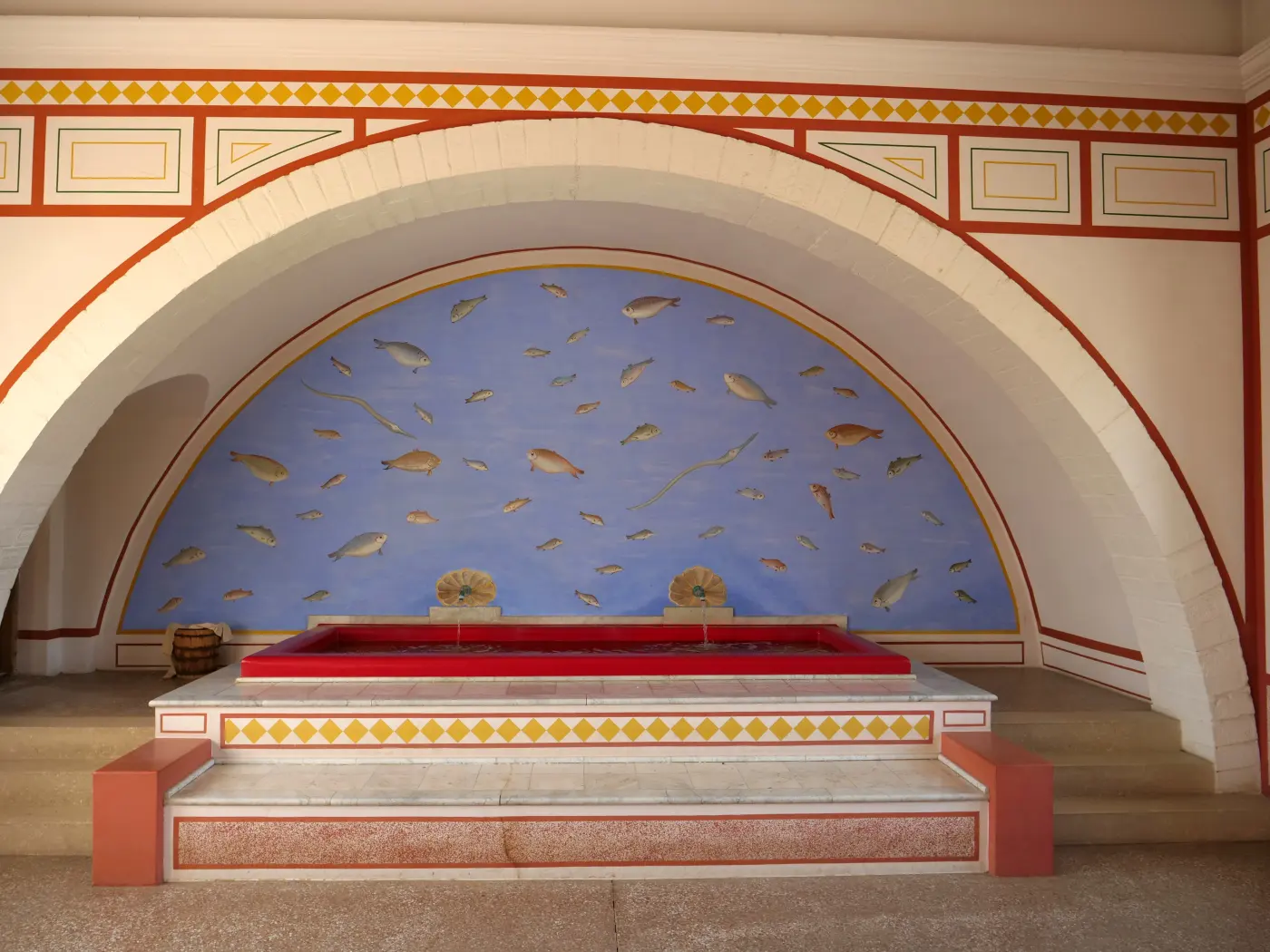
The idea is old. Roman bathhouses led bathers from hot rooms to a cold pool, and Finns have long ended a sauna round in a lake or a cold shower. What is new is the language of “recovery” and “nervous system reset”, and that is where the evidence deserves a close look.
What happens in your body, simply explained
In the heat, blood vessels near your skin widen (vasodilation) so warm blood can reach the surface and shed heat. Your heart beats faster, you sweat, and your skin turns pink.
In the cold, those vessels narrow (vasoconstriction) to keep warmth in your core. The first seconds bring the “cold shock response”: a gasp, fast breathing, a quicker heartbeat and higher blood pressure. In a classic Czech study, young men who sat in 14°C water for a full hour saw noradrenaline (a hormone that makes you alert) rise by 530% and dopamine by 250%. A short plunge is a much smaller dose, so read this as the direction of the effect, not its size.
The switch. People describe contrast therapy as a workout for the nervous system: the cold pushes you towards “fight or flight” (the sympathetic system), and the rest afterwards lets the calming “rest and digest” side (the parasympathetic system) take over. That is a fair picture of how it feels, not proof of a lasting health effect. The fast swing in blood pressure is also why it is not for everyone.
What the evidence shows, goal by goal
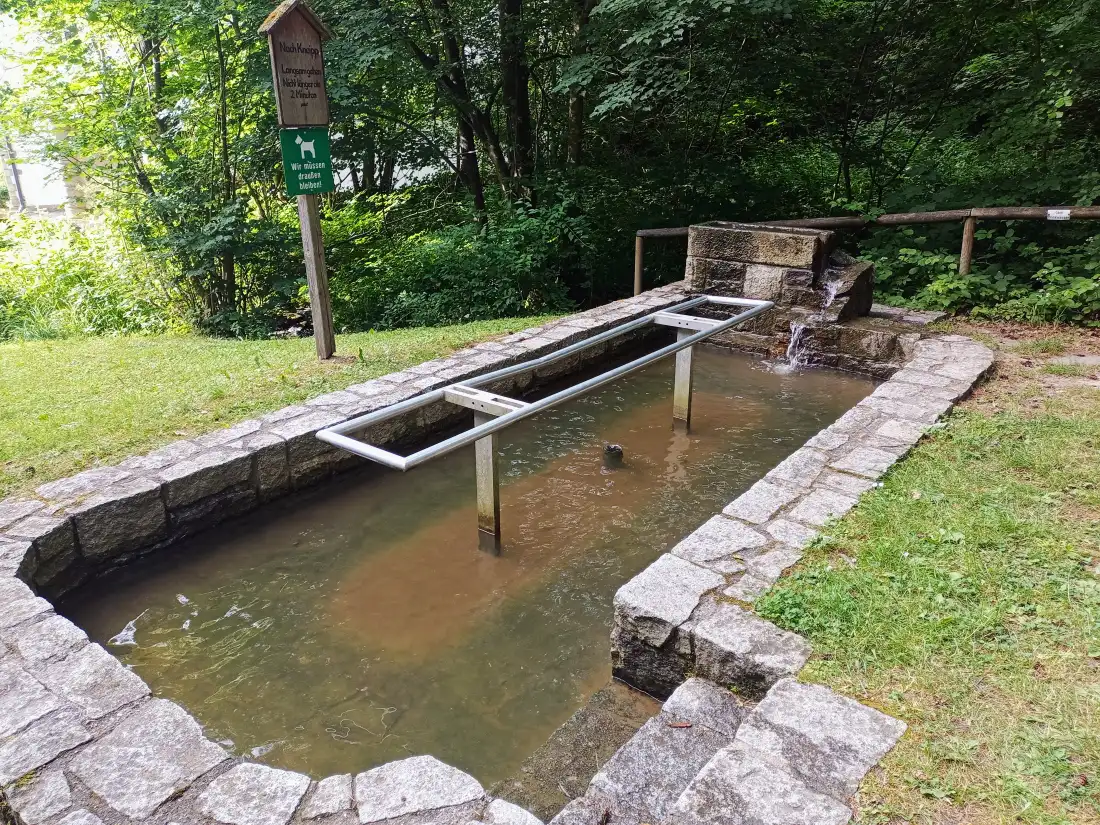
One caveat first: most contrast research tested hot and cold water (for example a 39°C tub and an 11°C tub), not a sauna followed by a cold plunge. The two are close, but sauna-plus-plunge has been studied far less.
Muscle soreness and recovery
The best summary is a 2013 meta-analysis (a study that pools many trials) by Bieuzen and colleagues in PLoS ONE: 18 trials, 356 people. Compared with simply resting, contrast water therapy reduced muscle soreness and limited the loss of strength after hard exercise. It was no better than cold water, warm water, compression or stretching. Every trial was judged at high risk of bias, and some gains were too small to matter outside elite sport.
A 2023 meta-analysis of 28 studies in Sports Medicine found cold water immersion more effective than contrast water therapy for most recovery outcomes. If you are building muscle, timing matters: in a 12-week trial of 21 men, those who took a 10-minute cold bath after every strength session gained less strength and muscle than those who did an active cool-down. Keep the cold for rest days, or hours after lifting.
Ōmni Evidence Scale: Promising. A meta-analysis shows less soreness than passive rest, but the trials are small and low quality, and contrast did not beat cold water alone.
Mood, calm and alertness
Many people step out feeling bright and calm at once; in Japan this is called totonou. A 2023 Japanese study put 10 people through three rounds of sauna (85–90°C), a 16°C cold bath and rest, and compared them with 10 people who used a warm bath. The sauna group showed more slow brain waves (theta and alpha), a lower heart rate and faster reactions. But 20 people is tiny, and all four authors work for a neurotechnology company.
Cold-only research is mixed. People felt more alert and inspired after five minutes in cold water in a 2023 brain-imaging study with no control group. A 2025 meta-analysis of 11 randomised cold-water trials found lower stress 12 hours later, but no mood improvement in the one trial that measured it.
Ōmni Evidence Scale: Early evidence. The good feeling is real for many people, but the studies are small, short-term and often uncontrolled.
Heart health and living longer
Claims that contrast therapy “protects your heart” borrow from the Finnish KIHD study, which followed 2,315 middle-aged men for about 20 years. Men who took a sauna 4–7 times a week had a much lower risk of sudden cardiac death than once-a-week bathers. But that was traditional Finnish sauna only (around 80°C), in Finnish men, with no cold plunge. It shows a link, not cause and effect, and its numbers cannot be moved over to an infrared sauna at 45–55°C.
Ōmni Evidence Scale: No good evidence yet. Heart and longevity data come from sauna-only cohorts; we found no trials of hot-and-cold routines on heart outcomes.
Metabolism and “brown fat”
A 2021 Danish study of 8 young winter swimmers, most of whom also used saunas, found they produced more heat in the cold than 8 non-swimmers. The authors suggested hot plus cold might raise energy use. The often-quoted “11 minutes of cold and 57 minutes of sauna a week” only described the swimmers’ habits; it was never tested as a dose.
Ōmni Evidence Scale: Early evidence. One small cross-sectional study; no trials of contrast therapy for weight or metabolism.
How to do a contrast session
There is no proven best protocol. In the studies, cold dips usually lasted about a minute and whole sessions 6–24 minutes, and the two studies comparing 6, 12 and 18 minutes found no difference in soreness. So start gently. This is the beginner routine we suggest:
| Step | First time | Once you are used to it |
|---|---|---|
| Heat (sauna) | 10–15 minutes; leave earlier if you feel unwell | 10–15 minutes |
| Cold plunge | Enter slowly, breathe out long and slow; 30 seconds to 2 minutes | Build up slowly to 3–5 minutes |
| Rest | 2–5 minutes, sitting, sipping water | 2–5 minutes, until your breathing is calm |
| Rounds | 2–3 | 2–3; more is not always better |
- Never hold your breath, put your face under, or do forceful breathing exercises in cold water.
- Don’t plunge alone.
- Get out at once if you feel numb, dizzy or unwell.
- It gets easier. A 2024 meta-analysis found the gasp and racing heart of cold shock fade after about four immersions.
Finish warm or cold?
There is no evidence-based rule. Most trials in the 2013 meta-analysis ended on cold, and many people like the crisp, awake feeling. If you are heading to bed or still shivering, ending with heat or a warm shower may feel better. Either way, dry off and let your body rewarm at its own pace.
Water, before and after
Drink a glass of water before you start, sip between rounds and drink again afterwards. The CDC’s travel health guide notes that in hot conditions sweat can reach about a litre an hour. Pale urine is a simple sign you are keeping up.
Contrast therapy in Saigon’s heat and humidity
Humid air slows the evaporation of sweat, so your body cools less well, as the US National Weather Service explains. Arrive after a midday walk or a riverside run and you are already partly “heated” before the first round. A few local habits help:
- Cool down first. Sit in the shade or air conditioning and drink something before your first heat round.
- Pick your time. Morning or evening is easier than straight after the hottest hours.
- Shorten the heat, not the rest. If the sauna feels hard sooner than usual, end the round early and keep the breaks.
- Respect the cold, even when it feels wonderful. On a 35°C day, 11–15°C water feels like pure relief. Stick to your plan, and rewarm before stepping into a chilly, air-conditioned car.
More tips in our guide to beating the heat in Saigon.
Who should skip it, or ask a doctor first
Going from heat to cold raises heart rate and blood pressure quickly. Researchers have also proposed that the cold shock reflex and the “diving reflex” firing together could trigger heart rhythm problems in people at risk. It is still a hypothesis, but reason enough for care.
- Heart conditions, including irregular heartbeat, chest pain or a recent heart attack: ask your doctor first.
- High blood pressure: ask your doctor first.
- Pregnancy: ask your doctor, tell the venue when you book, and skip the sauna and cold plunge unless your doctor says it is fine.
- Alcohol: never. In a Finnish study of sauna deaths, about half of those who died had been drinking.
- After a big meal: give yourself time to digest first.
- Raynaud’s or cold urticaria (a skin allergy to cold): avoid the cold plunge.
- Fever or feeling unwell: wait until you are better.
Where to try it in Saigon
These venues offer both heat and cold and were listed as open in October 2026; check hours and prices with each one. For more options, see our visitor’s guide to sauna in Ho Chi Minh City and the Saigon wellness map.
- Cá Hồi Sauna & Ice Bath Social Club (Thảo Điền): garden social sauna with steam sauna, several cold plunges and a hot pool.
- Primal (Thảo Điền): training club with a hot stone sauna, ice barrels and magnesium contrast baths.
- matchup REST & Wellness (Thảo Điền): sauna, hot tub and cold plunge tubs.
- Recovery Mode Saigon (Thảo Điền): hot and cold pools and an infrared sauna.
- REBORN Fitness & Health (Thảo Điền): private studio with a Finnish sauna and ice bath.
- Somni Social Wellness Club (Thảo Điền): membership club with sauna and cold plunge.
- Dii Sauna & Icebath (Tân Định, District 1): communal Finnish sauna and cold plunge in 2-hour slots.
- WAV Private Onsen (District 1): private suites with mineral bath, sauna and cold plunge.
- Sả Spa & Onsen (District 1): day spa with a private onsen area, sauna and cold plunge.
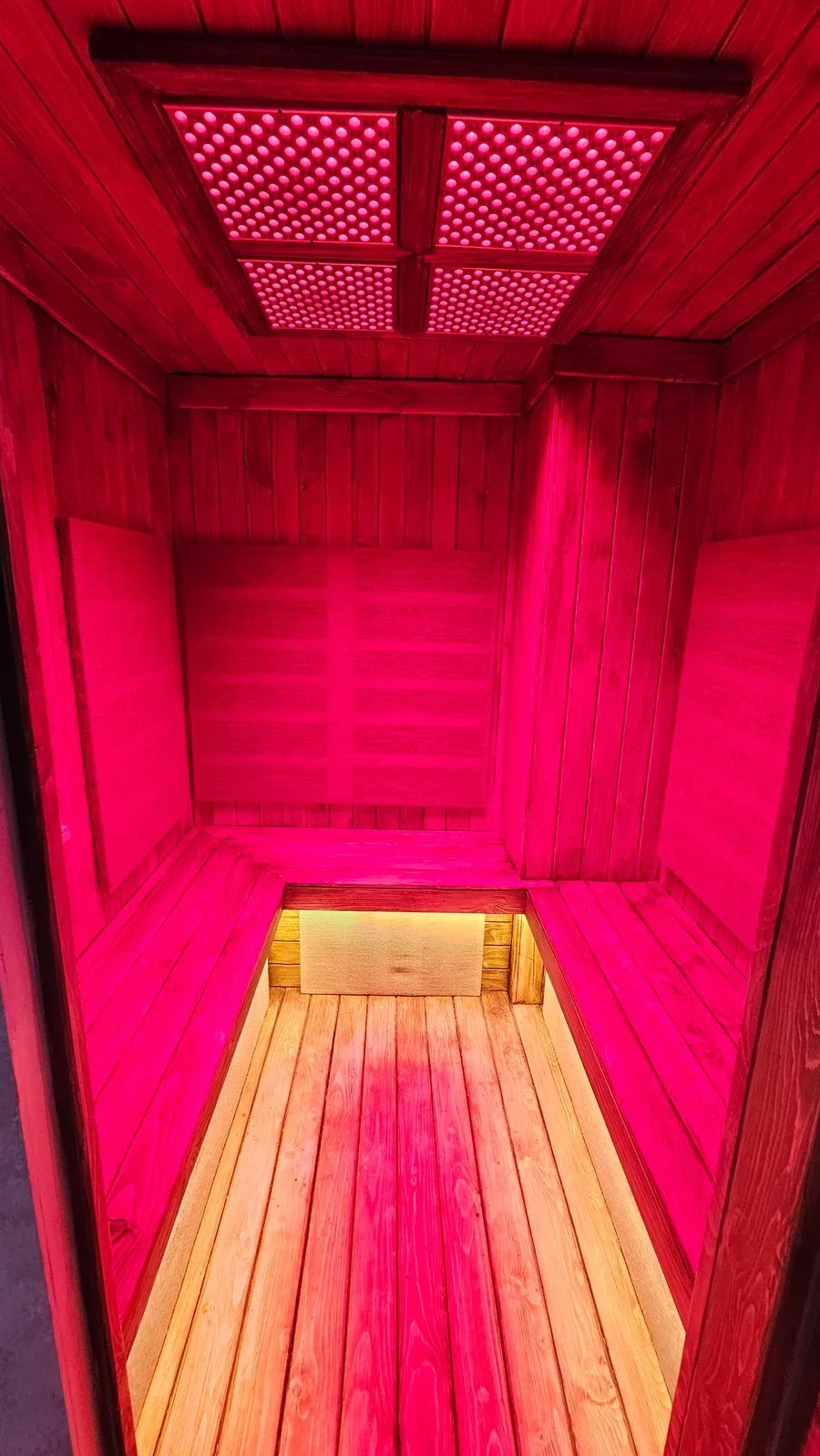
At Ōmni Space (16C Quốc Hương, Thảo Điền), the infrared sauna (45–55°C, 45 minutes) and the cold plunge (11–15°C, 30 minutes at your own pace, staff-supervised) sit side by side in a private room. Each costs 450,000 VND per person alone, or +200,000 VND per person with a float; both together are a 60-minute session for 900,000 VND per room, for up to 4 people. Bring swimwear; towels are provided. Every guest completes a health questionnaire. Open 9:00–21:00, last session 20:00. See all services.
FAQ
How many rounds of sauna and cold plunge should I do?
Two or three rounds is plenty for most people. Longer sessions did not reduce soreness more in studies. Stop sooner if you feel dizzy or unwell.
Should I end with cold or with heat?
There is no proven rule. Most studies ended on cold, which many people find energising. Before bed, or if you are shivering, ending warm may feel better.
Is contrast therapy better than an ice bath for recovery?
Not according to current research. A 2023 meta-analysis found cold water immersion alone more effective for most recovery outcomes. Choose the one you enjoy and will keep doing.
Does contrast therapy improve heart health?
That has not been shown. The well-known findings come from Finnish men using traditional sauna, with no cold plunge, and show a link rather than proof. With a heart condition, ask your doctor first.
Is contrast therapy safe in Saigon’s hot weather?
For healthy adults, yes, with care. Cool down and drink water before you start, keep rounds short, rest between them, and avoid going straight from hard exercise in the midday heat.
Sources
- Bieuzen F, Bleakley CM, Costello JT (2013). Contrast water therapy and exercise induced muscle damage: a systematic review and meta-analysis. PLoS ONE.
- Moore E, Fuller JT, Bellenger CR, Saunders S, Halson SL, Broatch JR, Buckley JD (2023). Effects of cold-water immersion compared with other recovery modalities on athletic performance following acute strenuous exercise in physically active participants: a systematic review, meta-analysis, and meta-regression. Sports Medicine.
- Roberts LA, Raastad T, Markworth JF, et al. (2015). Post-exercise cold water immersion attenuates acute anabolic signalling and long-term adaptations in muscle to strength training. The Journal of Physiology.
- Šrámek P, Šimečková M, Janský L, Šavlíková J, Vybíral S (2000). Human physiological responses to immersion into water of different temperatures. European Journal of Applied Physiology.
- Chang M, Ibaraki T, Naruse Y, Imamura Y (2023). A study on neural changes induced by sauna bathing: neural basis of the “totonou” state. PLoS ONE.
- Yankouskaya A, Williamson R, Totman JJ, Massey H (2023). Short-term head-out whole-body cold-water immersion facilitates positive affect and increases interaction between large-scale brain networks. Biology.
- Cain T, Brinsley J, Bennett H, Nelson M, Maher C, Singh B (2025). Effects of cold-water immersion on health and wellbeing: a systematic review and meta-analysis. PLoS ONE.
- Laukkanen T, Khan H, Zaccardi F, Laukkanen JA (2015). Association between sauna bathing and fatal cardiovascular and all-cause mortality events. JAMA Internal Medicine.
- Søberg S, Löfgren J, Philipsen FE, et al. (2021). Altered brown fat thermoregulation and enhanced cold-induced thermogenesis in young, healthy, winter-swimming men. Cell Reports Medicine.
- Barwood MJ, Eglin C, Hills SP, et al. (2024). Habituation of the cold shock response: a systematic review and meta-analysis. Journal of Thermal Biology.
- Shattock MJ, Tipton MJ (2012). “Autonomic conflict”: a different way to die during cold water immersion? The Journal of Physiology.
- Kenttämies A, Karkola K (2008). Death in sauna. Journal of Forensic Sciences.
- Backer HD, Freer L. Heat and Cold Illness in Travelers. CDC Yellow Book 2026.
- US National Weather Service. What is the heat index?
Leave a Reply