
In short: Saigon is hot all year, and the peak usually comes in April and the first half of May. Humidity makes it harder for sweat to cool you. Plan outdoor time for early morning and late afternoon, rest in shade, drink regularly, wet your skin and take cool showers. Confusion or collapse in the heat is an emergency: call 115.
This guide was written by the team at Ōmni Space, a float and recovery centre in Thảo Điền, Ho Chi Minh City. Many guests reach us after a sweaty day of sightseeing, so we gathered what the World Health Organization (WHO), the US Centers for Disease Control and Prevention (CDC) and peer-reviewed research say about staying cool. This is general information, not medical advice.
When is Saigon hottest?
Ho Chi Minh City sits about 10 degrees north of the equator and has no real cool season. The Southern Regional Hydro-Meteorological Station has described April and the first half of May as the peak heat period for southern Vietnam, with daily highs in Ho Chi Minh City commonly 37–39°C in a hot year. The National Center for Hydro-Meteorological Forecasting said in March 2026 that heat in the Southeast region would keep intensifying from April. It expected the rainy season in the south to begin around mid-May, close to the long-term average.
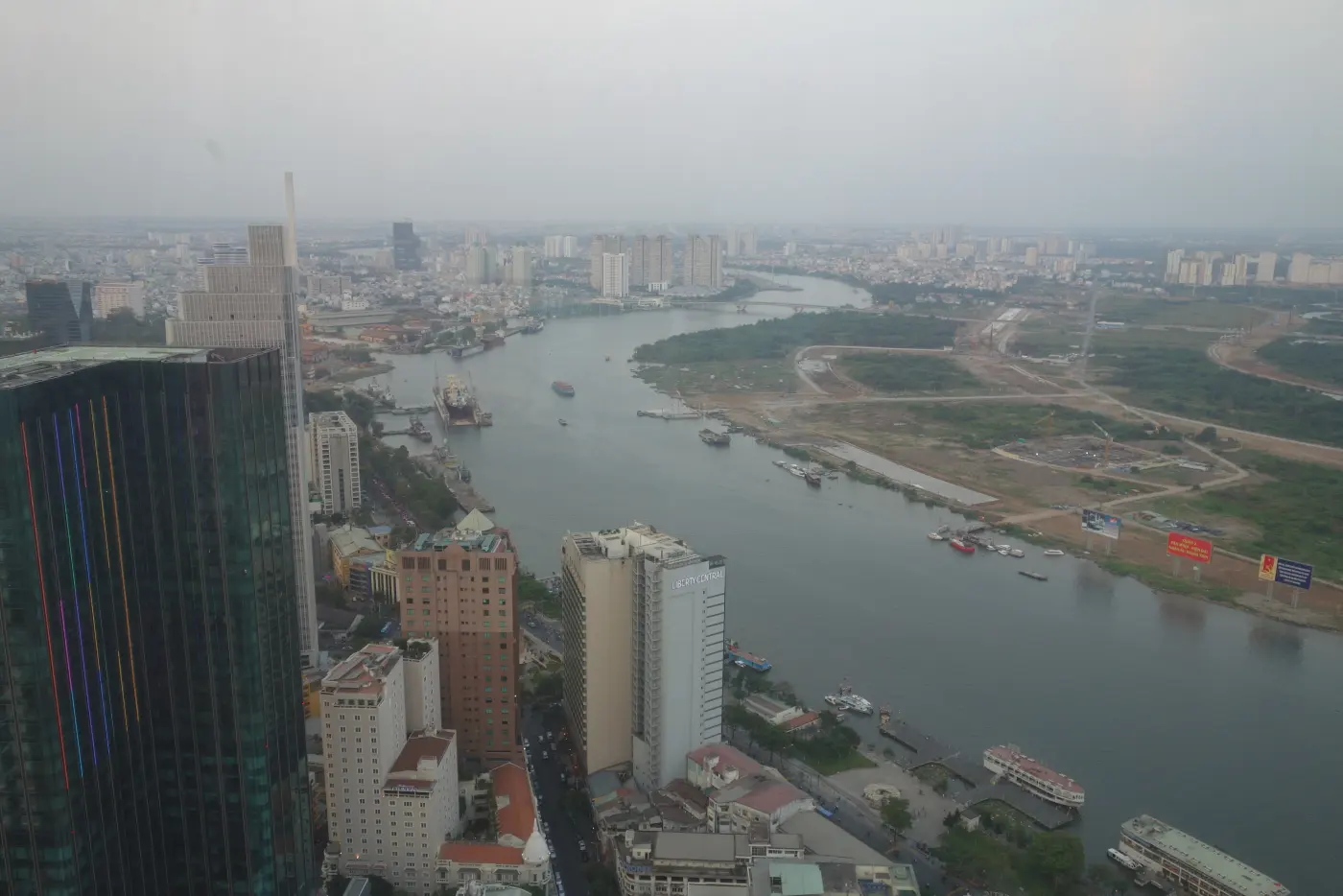
So is April too hot to visit? Not for most healthy travellers, but it is the month to plan your days around the heat. Forecasts vary by year, so check before you fly.
Heat index and humidity, explained simply
Your weather app shows air temperature in the shade. The heat index, or “feels like” temperature, combines air temperature with humidity to show how hot it feels to your body. The US National Weather Service explains that humid air slows the evaporation of sweat, so the body feels warmer. Its heat index chart assumes shade; standing in direct sun can raise the heat index by up to about 8°C (15°F).
That is why 34°C in Saigon can feel harder than 34°C in a dry city. Check the “feels like” figure when you plan your day.
How your body cools itself, and why humidity gets in the way
Your body sheds heat in two main ways. More blood flows to the skin, so heat can pass into cooler air. And you sweat: evaporating sweat carries heat away, while sweat that just drips off does little.
Both routes struggle in Saigon’s hottest weeks. The CDC Yellow Book, the CDC’s travel medicine guide, notes that once air temperature is above 35°C and humidity is high, losing heat through sweat evaporation and through the air becomes minimal. It also notes that sweat rates can reach about 1 litre an hour, so fluid and salt losses add up quickly.
Your body does adapt. With 1–2 hours of daily exercise in the heat, most of this “acclimatisation” happens within about 10 days, says the same source. Fresh off a plane from a cool country, you are not adapted yet.
A cool-headed plan for a hot travel day
Here is how we would shape an April sightseeing day, using WHO and CDC advice.
| Time | What to do |
|---|---|
| Early morning | Walking tours, markets, parks and anything strenuous. Eat breakfast and drink a glass or two of water before you set out. |
| Late morning to mid-afternoon | The hottest part of the day. WHO advises avoiding going outside and doing strenuous activity at this time. Choose museums, long lunches, a nap or a cool shower at your hotel. |
| Late afternoon and evening | Head back out as the sun drops: river views, street food, a slow walk. |

- Shade and breaks. Walk on the shady side of the street, use parks, and plan indoor stops. WHO suggests spending 2–3 hours a day in a cool place during hot weather.
- Clothing. Light, loose, light-coloured clothes, a wide-brimmed hat and sunscreen. WHO also suggests wetting light clothing to cool the skin.
- Go easy. In your first week, the CDC Yellow Book advises shorter, lighter exercise.
Ōmni Evidence Scale: Strong evidence. Avoiding midday exertion, seeking shade and adapting gradually rest on clear physiology and core WHO and CDC advice.
Water and electrolytes, in plain terms
WHO’s heat advice is to drink water regularly: about 1 cup an hour and at least 2–3 litres a day. But do not force down large amounts when you are not thirsty: the CDC Yellow Book warns this can drop the salt in your blood to a dangerous level (hyponatraemia).
What about electrolytes, the salts you lose in sweat? For ordinary sightseeing and moderate activity, the Yellow Book says plain water works as well as sports drinks. If you sweat heavily for many hours, add salt through food, such as salty snacks or a bowl of phở, or use oral rehydration salts from a pharmacy. If you have heart or kidney disease, or have been told to limit salt or fluids, ask your doctor what is right for you.

Cool the skin: hands, forearms, neck and showers
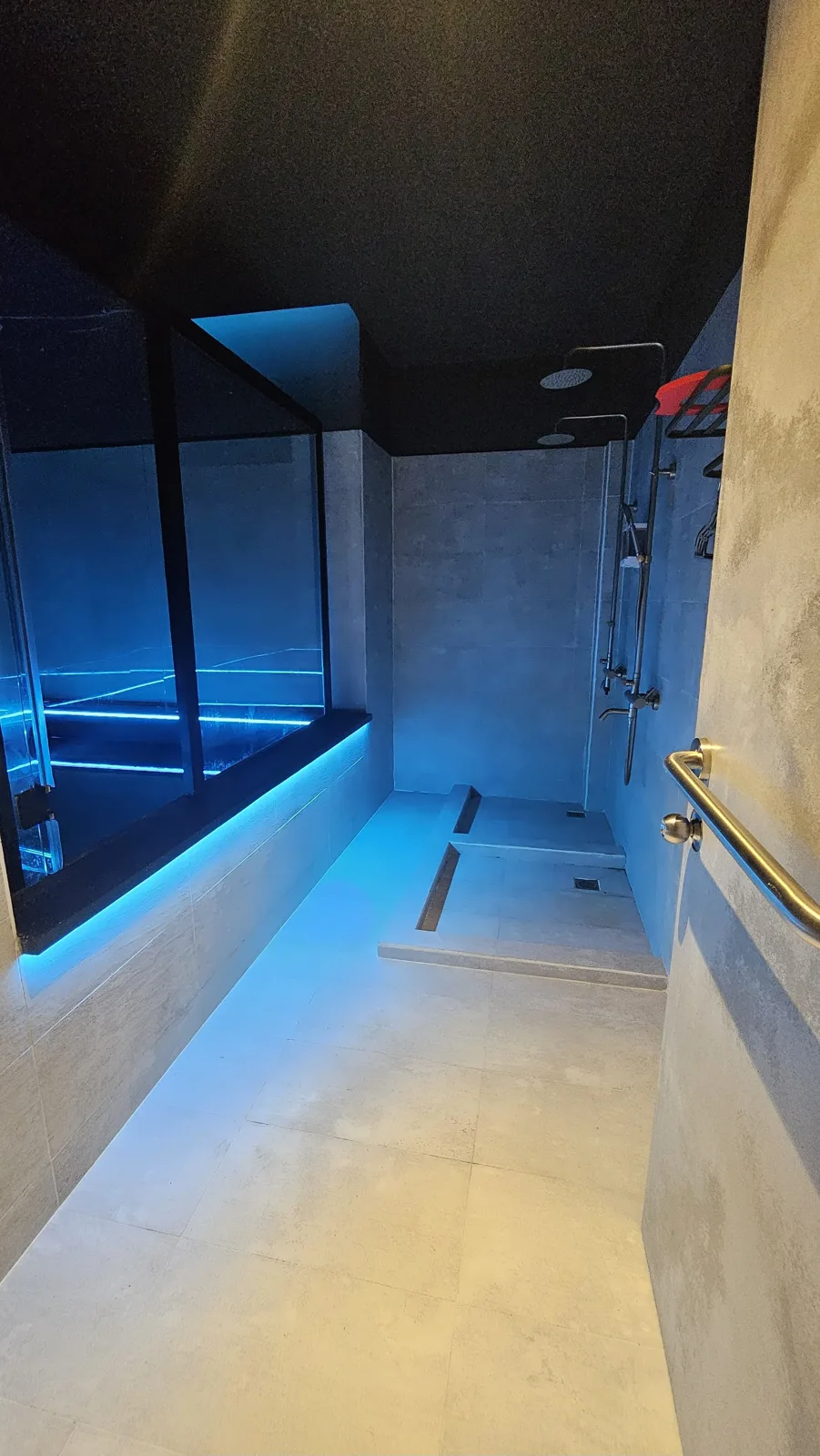
When humid air limits sweating, add water to your skin yourself. WHO suggests cool showers or baths and wetting the skin with a damp cloth, a spray or wet clothing. A 2021 Lancet review led by Ollie Jay describes cooling the person, rather than the whole room, as an effective and low-cost approach. A cool cloth on the face and neck is an easy start.
Hands and forearms are a handy target. In a 2025 lab study, 12 adults aged 65–89 sat in 34°C heat at 77% humidity. Dipping their hands and forearms in cool tap water (about 20°C) for 10 minutes, twice, slowed the rise in their core temperature and heart rate. Small study, older adults at rest, but easy to try at any sink.
Fans help too: a 2021 modelling study across 108 cities found fans would have helped healthy young adults on almost all hot days. WHO advises fans only below 40°C.
Ōmni Evidence Scale: Promising. Lab and modelling studies show skin wetting, fans and hand-and-forearm cooling reduce heat strain; few trials involve travellers.
Heat exhaustion vs heat stroke: know the warning signs
Heat exhaustion means the body is struggling to keep up. CDC lists heavy sweating, cold, pale or clammy skin, a fast weak pulse, nausea or vomiting, muscle cramps, tiredness, dizziness, headache and fainting. Move to a cool place, loosen clothing, apply cool wet cloths or take a cool bath, and sip water. Get medical help if the person vomits, gets worse, or is not better within about an hour.
Heat stroke is different: the body’s temperature control has failed. WHO calls it a medical emergency. CDC lists a high body temperature, hot red skin (dry or damp), a fast strong pulse, confusion and loss of consciousness. Seizures can also occur (CDC Yellow Book).
Emergency: suspected heat stroke
- Confusion, strange behaviour, slurred speech, collapse or a seizure in the heat: call 115, Vietnam’s ambulance number. Ask your hotel or a passer-by to help give the address in Vietnamese.
- While you wait, start cooling at once. Move the person to shade or indoors, remove extra clothing, and cool them with water, wet cloths, fanning, or a cool bath if they can be supported. If full immersion is not possible, the Yellow Book suggests putting the forearms and hands in cool water.
- Stay with them. Do not give drinks if they are confused or drowsy.
- Vietnam plans to merge its emergency lines into 113 from the third quarter of 2027 (Tuổi Trẻ, April 2026). For now, 115 is the ambulance line.
Who is at higher risk in the heat?
WHO and the CDC Yellow Book list these groups. If any apply to you, ask your doctor before an April trip.
- Babies, young children and adults over 65.
- People with heart, lung or kidney disease, diabetes, or a mental health condition.
- People taking regular medication (some medicines affect sweating, blood pressure or fluid balance).
- Anyone with a fever or infection.
- Pregnant women: ask your doctor or midwife about heat and travel.
- People who exercise or work hard outdoors, including runners and cyclists.
- Travellers who have just arrived from a cool climate and are not yet adapted.
Where cold water fits: cold plunge on a hot day
Cold water is the gold-standard treatment for exertional heat stroke, the kind that strikes during hard exercise. Consensus statements from the American College of Sports Medicine (2021) and a prehospital expert panel (2018) recommend rapid whole-body cooling in cold water by trained staff, on site, before transport (“cool first, transport second”).
Ōmni Evidence Scale: Strong evidence. Cold-water immersion is the recommended medical treatment for exertional heat stroke.
A recreational cold plunge is not that treatment. For suspected heat stroke, call 115 and cool the person where they are, not at a spa.
For a healthy person who simply feels hot and sticky after a day out, a short cold plunge cools the skin fast, and many people find it leaves them calm and clear-headed. A 2017 review by Mike Tipton and colleagues found the evidence for many cold-water claims is mixed, and some still rest on anecdote. Cold water can also trigger “cold shock”: a gasp, fast breathing, a racing heart and a jump in blood pressure. It fades with repeated dips, so start gently. More in our ice bath and Wim Hof guide.
Ōmni Evidence Scale: Early evidence. A short cold plunge clearly cools the skin, but its effects on relaxation and recovery from a hot day have not been well tested.

Who should avoid a cold plunge
- People with heart disease, heart rhythm problems or high blood pressure, unless their doctor has cleared it. The cold shock response puts sudden strain on the heart.
- Pregnant women.
- Anyone who has been drinking alcohol.
- Anyone with signs of heat illness: rest, cool down and get medical help instead.
- Never plunge alone. At Ōmni, a staff member supervises the cold plunge. Enter slowly, keep your head above water, breathe calmly, and get out if you feel dizzy, numb or unwell.
Where to try it in Saigon
Several places offer a cold plunge or ice bath. In Thảo Điền there are Cá Hồi Sauna & Ice Bath Social Club and Primal. In District 1 (Tân Định) there is Dii Sauna & Icebath. Our Saigon wellness map lists more. Check prices and hours with each place. Our labels follow the Ōmni Evidence Scale.
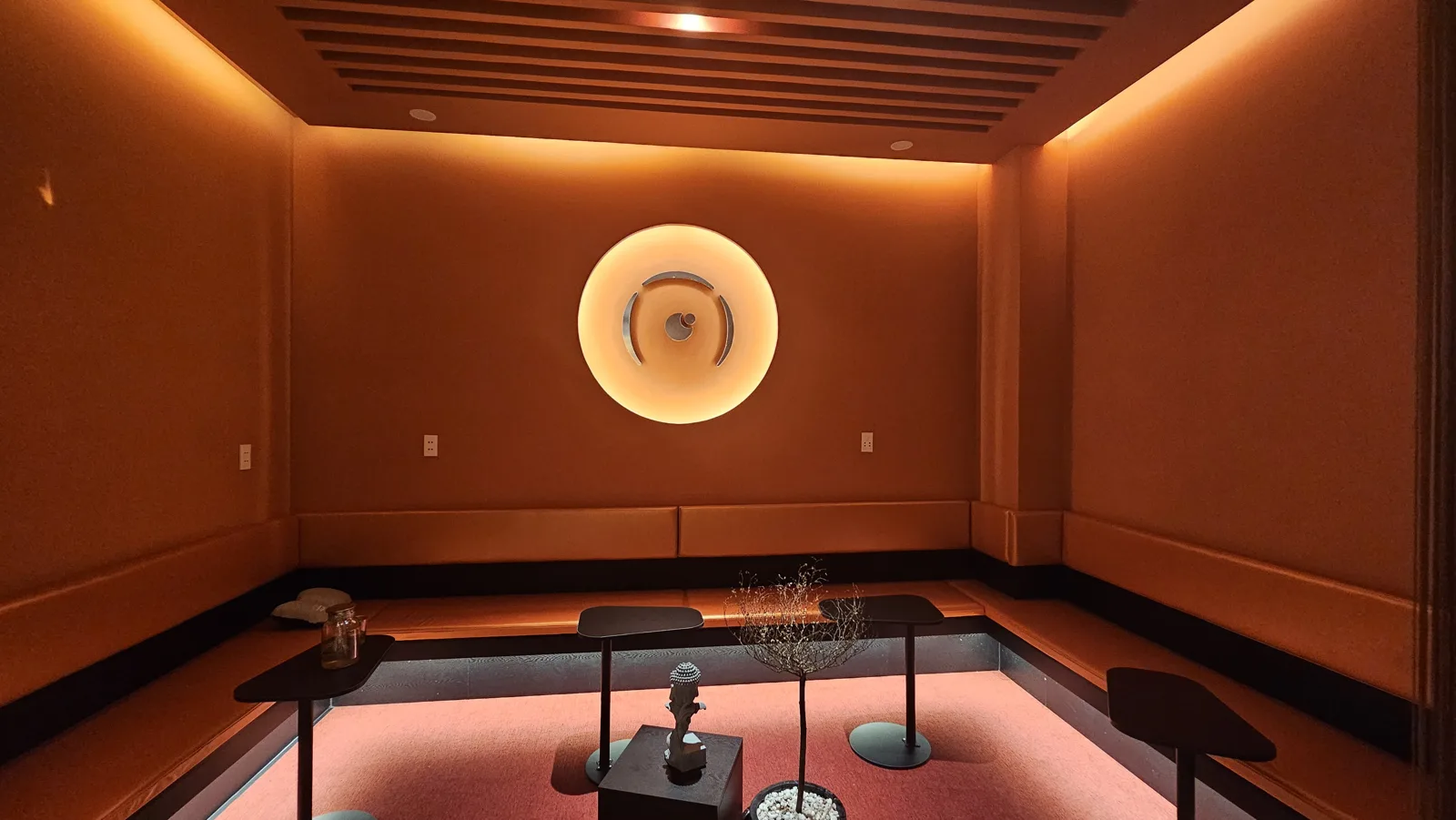
At Ōmni Space, the cold plunge is kept at 11–15°C. A 30-minute session is free-form: you dip and rest at your own pace. It costs 450,000 VND per person on its own, or +200,000 VND per person added to a float. Sauna and cold plunge together are 900,000 VND per private room for up to 4 people; see our sauna guide first if you are new to heat bathing. Every guest completes a health questionnaire before the visit and again on site. We are at 16C Quốc Hương, Thảo Điền, open 9:00–21:00 daily with the last session at 20:00 (directions). See all services.
FAQ
What is the hottest month in Ho Chi Minh City?
Usually April. Forecasters describe April and the first half of May as the peak, before the rains start around mid-May.
Is April too hot to visit Vietnam?
Not for most healthy travellers who plan for it: go out early and late, rest indoors at midday and drink regularly. Higher-risk groups should ask a doctor first.
How do I tell heat exhaustion from heat stroke?
Heat exhaustion brings heavy sweating, clammy skin, dizziness and nausea. Heat stroke affects the brain: confusion, collapse or seizures. It is an emergency: call 115 and start cooling.
Do I need electrolyte drinks in Saigon?
For normal sightseeing, water is usually enough (CDC Yellow Book). If you sweat heavily for hours, add salt with food or oral rehydration salts.
Is a cold plunge a treatment for heat stroke?
No. Medical cold-water immersion for heat stroke is done by trained staff. A recreational cold plunge helps healthy people cool down and relax; it is not treatment.
Sources
- World Health Organization. Heat and health. Fact sheet, updated 31 July 2026.
- Backer HD, Freer L. Heat and Cold Illness in Travelers. CDC Yellow Book 2026.
- CDC. Heat-related illnesses: signs and symptoms.
- CDC NIOSH. Heat-related illnesses.
- US National Weather Service. What is the heat index?
- Jay O, Capon A, Berry P, et al. (2021). Reducing the health effects of hot weather and heat extremes: from personal cooling strategies to green cities. The Lancet.
- Morris NB, Chaseling GK, English T, et al. (2021). Electric fan use for cooling during hot weather: a biophysical modelling study. The Lancet Planetary Health.
- Cottle RM, Fisher KG, Leach OK, et al. (2025). Intermittent hand and forearm immersion in 20°C water attenuates thermal, cardiovascular, and perceptual strain in older adults during heat stress. Experimental Physiology.
- Roberts WO, Armstrong LE, Sawka MN, et al. (2021). ACSM Expert Consensus Statement on Exertional Heat Illness: Recognition, Management, and Return to Activity. Current Sports Medicine Reports.
- Belval LN, Casa DJ, Adams WM, et al. (2018). Consensus Statement: Prehospital Care of Exertional Heat Stroke. Prehospital Emergency Care.
- Tipton MJ, Collier N, Massey H, Corbett J, Harper M (2017). Cold water immersion: kill or cure? Experimental Physiology.
- Shattock MJ, Tipton MJ (2012). “Autonomic conflict”: a different way to die during cold water immersion? The Journal of Physiology.
- Pháp Luật TP.HCM (2017). Dân Sài Gòn phải chịu nắng nóng tới hết tháng 5 (forecast from the Southern Regional Hydro-Meteorological Station).
- Báo Lào Cai / Báo Tin tức (16 March 2026). Từ tháng 4, nắng nóng gia tăng về cường độ ở nhiều khu vực (outlook from the National Center for Hydro-Meteorological Forecasting).
- Tuổi Trẻ (17 April 2026). 113 sẽ thành tổng đài chung cho cấp cứu, cứu hỏa, cứu nạn toàn quốc.
Leave a Reply