
In short: The Ōmni Evidence Scale is our four-level rating for wellness trends: Strong evidence, Promising, Early evidence and No good evidence yet. We look at the type of study, control groups, sample size and who paid for the research. Nothing we have rated reaches Strong evidence yet, including float, the service we sell.
19 · Strong evidence 0 · Promising 6 · Early evidence 9 · No good evidence yet 4
This page was written by the team at Ōmni Space in Thảo Điền. We opened Vietnam’s first float centre (Float Vietnam, Hanoi, 2017), and across our wellness hub we ask one question of every trend: what does this do for the nervous system, and how strong is the evidence? This page explains how we answer the second half, and lists every rating we have published.
Why we made it
Wellness is full of big promises. A new device “rewires your brain”. A tuning frequency “heals”. An ice bath “boosts immunity”. Some have good research behind them. Many have one small study, or none, and a social media post won’t tell you which.
We also have a stake in the answer. We sell float sessions, infrared sauna, cold plunge and a light-and-sound relaxation session. So we wrote down one set of rules and apply them to our own services exactly as we apply them to everything else. If you think we got a rating wrong, we want to hear from you.
The four levels
- Strong evidence. Several large, independent, well-controlled trials point the same way, and good reviews agree. You can expect the effect to hold up for most people. Example: none yet. Nothing we have rated so far reaches this level.
- Promising. There is a meaningful body of research, such as a meta-analysis or a large long-term study, and the results lean positive. But there are clear limits: small samples, mixed quality, one population, or no proof of cause and effect. Examples: yoga for stress, Pilates for back pain, Finnish sauna and heart health, float for stress and anxiety.
- Early evidence. A few small studies, studies without a proper control group, or studies run by the people who sell the product. The idea is worth watching, but it is not settled. Examples: infrared sauna, Wim Hof breathing, singing bowls, most meditation devices.
- No good evidence yet. We found no clinical studies, or only claims that are not based on experimental data. This does not mean a practice is useless or that you cannot enjoy it. It means nobody has shown that it works. Examples: 432 Hz music, gong baths, xông lá (Vietnamese herbal steam).
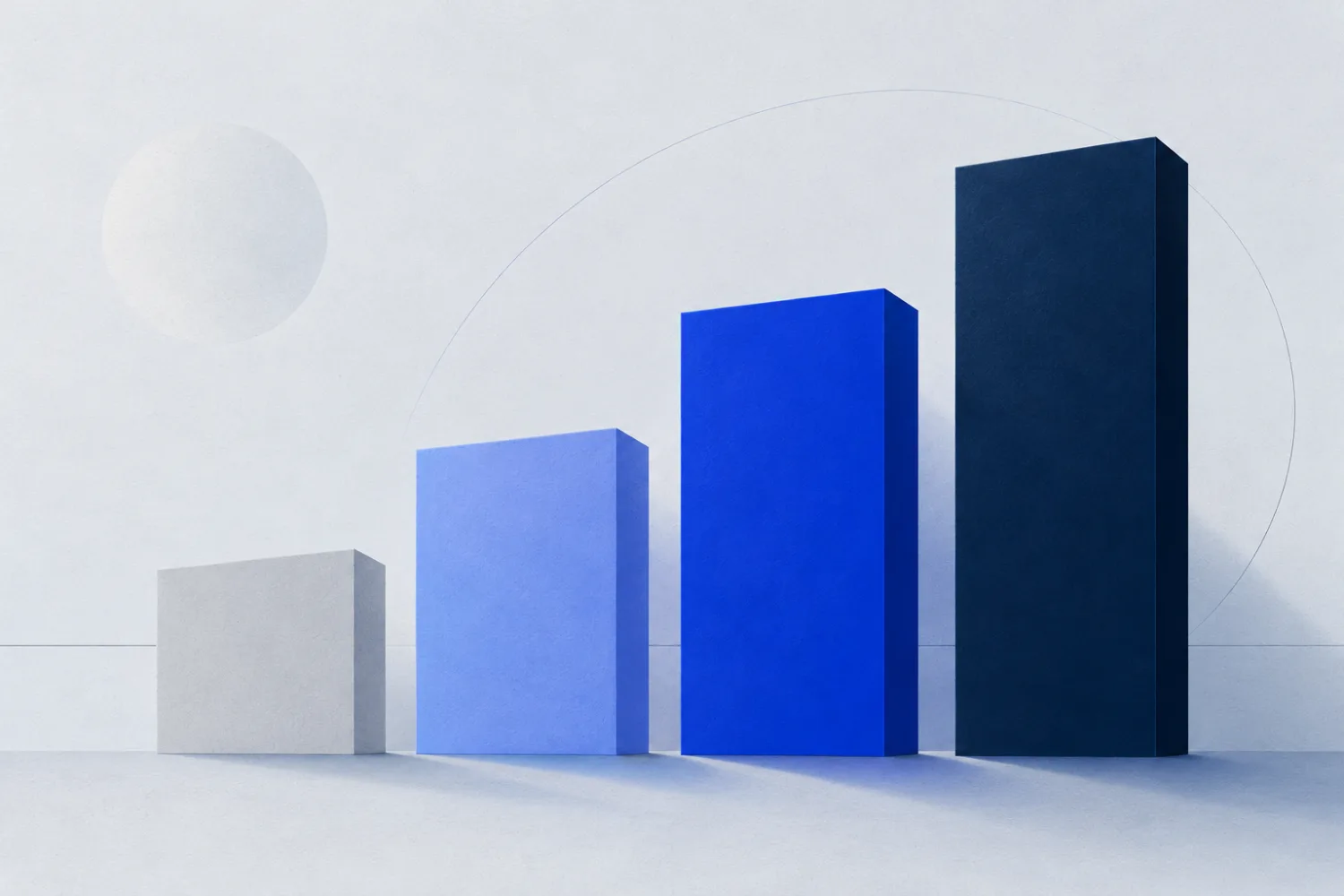
Why is nothing rated Strong? Wellness research is young and often small, and much of it cannot be blinded: you know when you are in an ice bath. For any method to move up to Strong evidence, we would need several large, independent, well-controlled trials that agree with each other.
How we judge a study
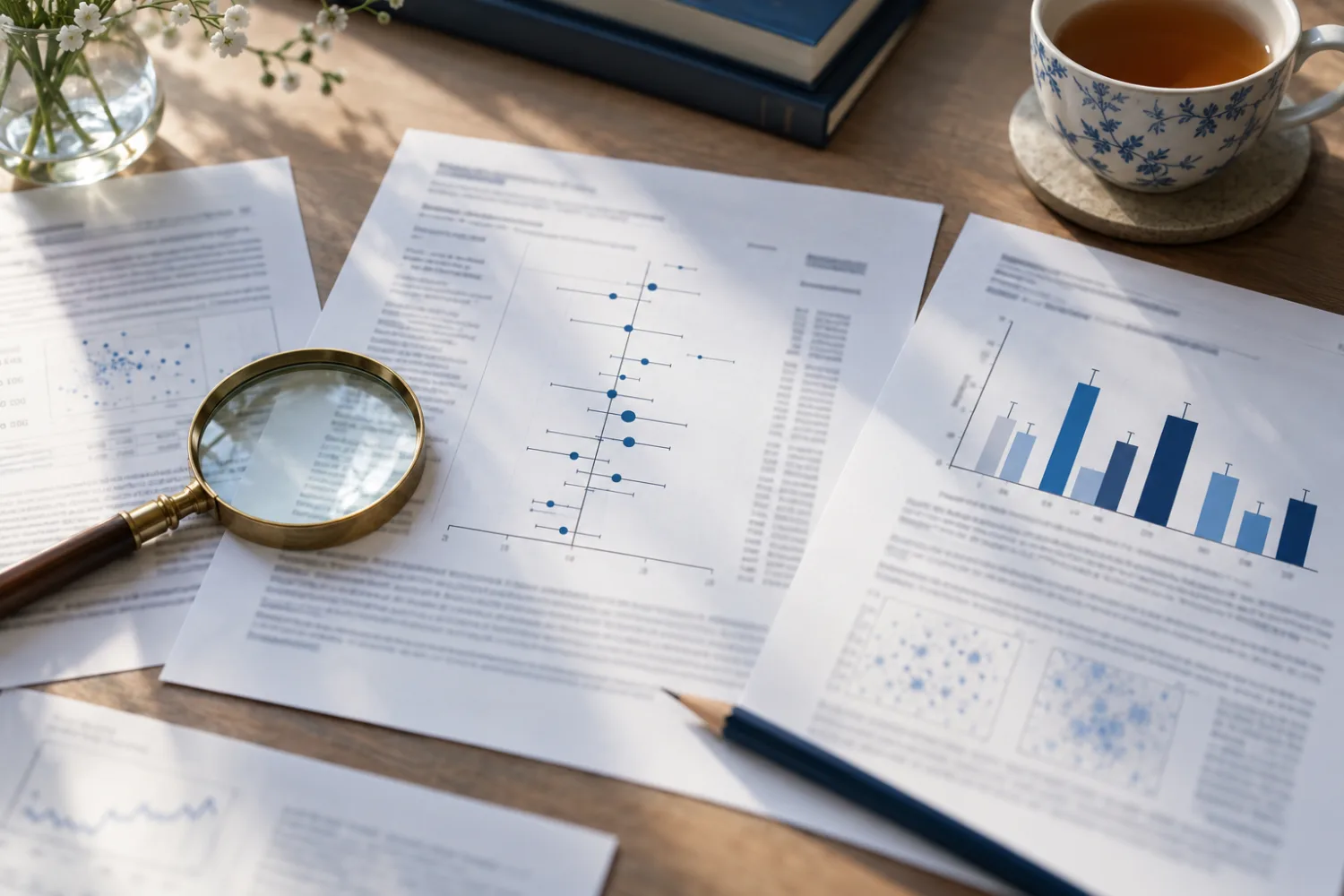
Not all evidence is equal. Here is the rough ladder we use, from weakest to strongest:
- Anecdote. “It changed my life.” Real for the person, but it cannot separate the method from hope, mood, or a good week.
- Observational studies. Researchers follow people and look for links. The Finnish sauna studies are a good example: large and long, but they show an association, not proof that sauna caused the benefit.
- Small trials. Researchers try the method on a group, sometimes with a comparison group. Useful first steps, but small numbers can produce lucky results.
- Randomised controlled trials (RCTs). People are assigned by chance to the method or to a comparison. This is the best way to test cause and effect.
- Meta-analyses and systematic reviews. Researchers gather all the trials on a question and look at the overall pattern. Only as good as the trials inside them.
On top of that ladder, we check four things:
- Control group. Did anyone get a comparison, such as a sham device, a waiting list or ordinary rest? Without one, it is hard to rule out expectation.
- Sample size and who took part. Twelve young men is a very different finding from thousands of mixed adults.
- Independence. Was the study run or paid for by the company that sells the product? That does not make it wrong, but it needs outside confirmation.
- Replication. Has another team found the same thing?
Our ratings so far
These are the ratings we have published across the hub. Follow the link in each row for the full discussion and sources.
| Method | Ōmni Evidence Scale | Why | Read more |
|---|---|---|---|
| Cold plunge for mood and alertness | Early evidence | The key study kept a few young men in 14°C water for one hour, far longer than a typical plunge | Ice bath guide |
| Cold plunge for muscle recovery | Promising | Several meta-analyses of many small trials; may blunt muscle gains if done right after lifting | Ice bath guide |
| Wim Hof breathing | Early evidence | One small, well-run study (Kox 2014) that tested breathing, cold and meditation as a bundle | Ice bath guide |
| Finnish sauna and heart health | Promising | A large 20-year cohort, but observational and in Finnish men only | Sauna guide |
| Infrared sauna | Early evidence | Small trials, mostly in people with heart failure | Sauna guide |
| Contrast therapy (hot and cold) | Early evidence | A 2013 meta-analysis whose trials were all at high risk of bias | Sauna guide |
| Xông lá (herbal steam) | No good evidence yet | We found no clinical studies | Sauna guide |
| EEG feedback headbands (Muse) | Early evidence | The brain signals are real; no strong proof it beats meditating without feedback | Devices compared |
| Light-and-sound stimulation (Lucia, DAVID, roXiva, Kasina and others) | Early evidence | Small or maker-run studies; Sana is the exception, with a sham-controlled trial | Devices compared |
| Non-light stimulation (Apollo, Elemind) | Early evidence | Small or company-run studies | Devices compared |
| Hapbee | No good evidence yet | We found no independent study | Devices compared |
| Ōmni’s Brainwaves Neuro Align | Early evidence | A light-and-sound relaxation session; we make no medical claims | Neuro Align |
| Singing bowls | Early evidence | Goldsby 2017 had no control group; a 2025 review asks for proper trials | Sound healing |
| Binaural beats | Promising | A 2019 meta-analysis of 22 studies found a moderate effect (g = 0.45) | Sound healing |
| 432 Hz music | No good evidence yet | A 2025 paper notes the theory rests on history and philosophy, not experimental data | Sound healing |
| Gong bath | No good evidence yet | No good-quality studies of gong baths on their own | Sound healing |
| Yoga for stress | Promising | Pascoe 2017 meta-analysis of 42 randomised trials | Yoga & Pilates |
| Pilates for back pain | Promising | Cochrane review (Yamato 2015) | Yoga & Pilates |
| Float therapy for stress and anxiety | Promising | A 2005 meta-analysis of 27 studies plus newer trials; samples are small | What is float therapy? |
Our own services, rated the same way
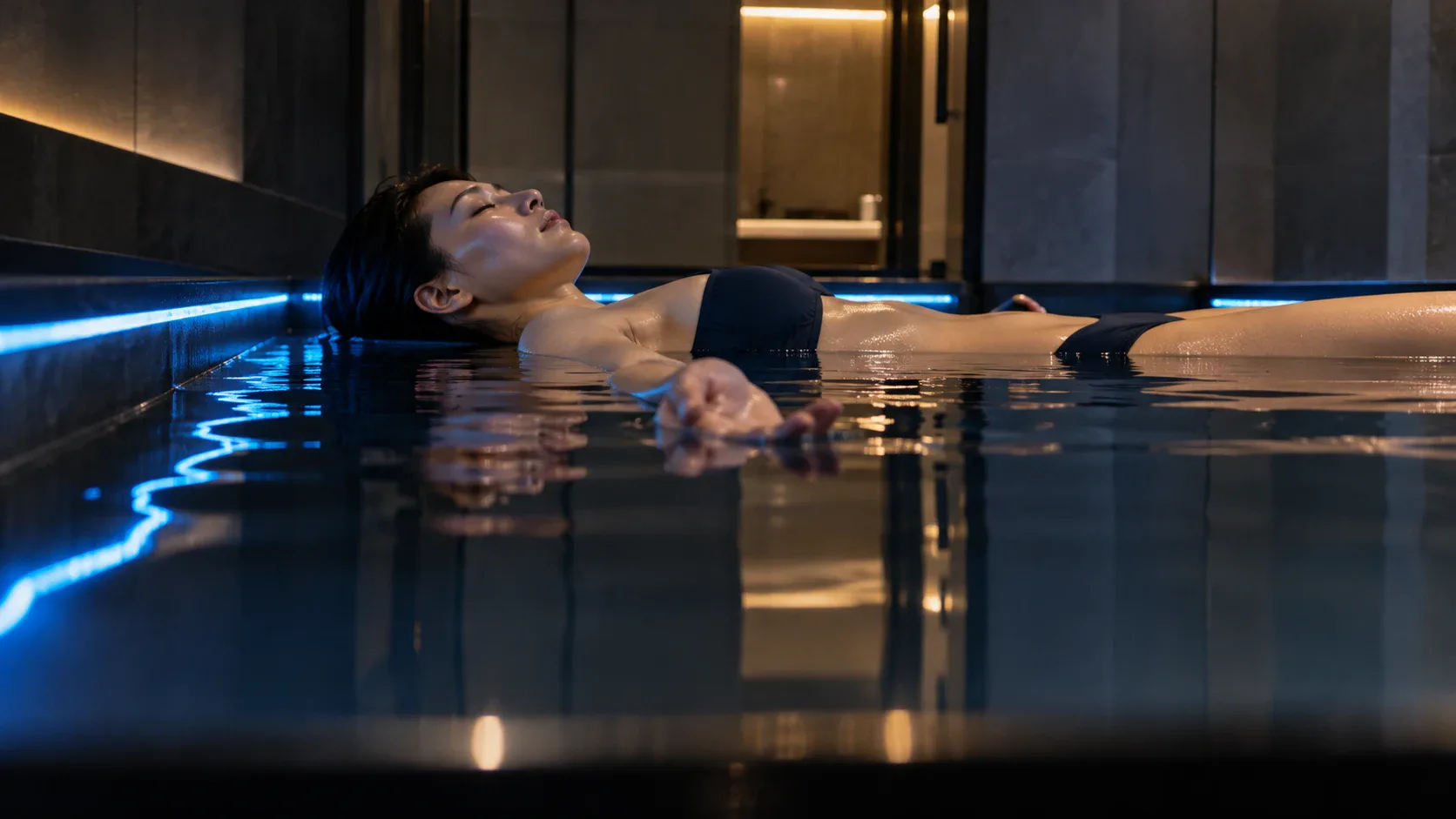
Float therapy. A 2005 meta-analysis by van Dierendonck and te Nijenhuis pooled 27 studies with 449 people and found positive effects of floating on stress-related measures and well-being. A 2018 study by Feinstein and colleagues found that a single one-hour float sharply reduced anxiety in 50 people with anxiety and stress disorders. That second study was open-label, with no control group, and it measured only before and after one session. Samples across float research are small. So we rate our own core service Promising, not Strong.
Ōmni Evidence Scale: Promising. A meta-analysis of 27 studies leans positive for stress, but the trials are small and the best-known recent study had no control group.
Infrared sauna. Our infrared and red-light sauna runs at 45–55°C. The well-known Finnish heart studies were done in traditional saunas at about 80°C, so we do not borrow their numbers. Infrared research on its own is small and mostly in heart-failure patients.
Ōmni Evidence Scale: Early evidence. Small trials, mostly in people with heart failure; the large Finnish studies do not apply to infrared.
Cold plunge. Our plunge is 11–15°C. For sore muscles after exercise, the research is reasonably encouraging. For mood and alertness, the famous numbers come from one hour at 14°C, which is not what a short plunge is.
Ōmni Evidence Scale: Promising for muscle recovery, based on several meta-analyses of small trials. Early evidence for mood and alertness, based on one small study with a very long immersion.
Brainwaves Neuro Align. A 30-minute light-and-sound relaxation session. Light-and-sound devices in general have small or maker-run studies, and flashing light is not suitable for everyone, so guests fill in a health questionnaire first. We offer it as a relaxation experience and nothing more.
Ōmni Evidence Scale: Early evidence. Light-and-sound relaxation with small or maker-run studies behind it; we make no medical claims.
What we don’t do
- We do not make medical claims. A rating of Promising means “the research leans positive”, not “this treats a condition”.
- This page is not medical advice. If you have a heart condition, are pregnant, have epilepsy or sensitivity to flashing light, or are managing any illness, talk to your doctor before trying heat, cold, breathwork or light stimulation.
- We rate methods, not businesses or people.
- We do not move numbers from one setting to another, such as Finnish sauna data to infrared, or a one-hour cold study to a short plunge.

How we update
Ratings are not fixed. When a new systematic review or a large trial appears, we re-read it and change the rating if the evidence has moved, up or down. We note changes on the article where the method is discussed. This page was last reviewed in October 2026. For the bigger picture of where these trends sit in Saigon today, see our guide to wellness in Vietnam in 2026.
FAQ
What is the Ōmni Evidence Scale?
It is a four-level rating we use for every wellness method in our hub: Strong evidence, Promising, Early evidence and No good evidence yet. It reflects how much good research exists, not how much we like a method.
Why is nothing rated Strong evidence?
Because no method we have reviewed yet has several large, independent, well-controlled trials that agree. Most wellness research is still small.
Does “No good evidence yet” mean something doesn’t work?
No. It means nobody has shown that it works. You may still enjoy a gong bath or a herbal steam. We simply won’t tell you it does more than research can support.
Isn’t it biased for a float centre to rate float?
That risk is the reason the rules are written down. Float gets the same test as everything else. It rates Promising, and we say clearly that the trials are small and some lack a control group.
How often do you update the ratings?
Whenever a significant new review or trial appears. This page was last reviewed in October 2026.
Sources
- Pascoe MC, Thompson DR, Ski CF (2017). Yoga, mindfulness-based stress reduction and stress-related physiological measures: a meta-analysis. Psychoneuroendocrinology.
- Yamato TP et al. (2015). Pilates for low back pain. Cochrane Database of Systematic Reviews.
- van Dierendonck and te Nijenhuis (2005). Flotation restricted environmental stimulation therapy (REST) as a stress-management tool: a meta-analysis. Psychology & Health.
- Feinstein JS et al. (2018). Examining the short-term anxiolytic and antidepressant effect of Floatation-REST. PLOS ONE.
- Kox M et al. (2014). Voluntary activation of the sympathetic nervous system and attenuation of the innate immune response in humans. PNAS.
- Šrámek P et al. (2000). Human physiological responses to immersion into water of different temperatures. European Journal of Applied Physiology.
- Moore E et al. (2023). Effects of cold-water immersion compared with other recovery modalities on athletic performance following acute strenuous exercise in physically active participants: a systematic review, meta-analysis, and meta-regression. Sports Medicine.
- Laukkanen T et al. (2015). Association between sauna bathing and fatal cardiovascular and all-cause mortality events. JAMA Internal Medicine.
- Bieuzen F et al. (2013). Contrast water therapy and exercise induced muscle damage: a systematic review and meta-analysis. PLOS ONE.
- Goldsby TL et al. (2017). Effects of singing bowl sound meditation on mood, tension, and well-being: an observational study. Journal of Evidence-Based Complementary & Alternative Medicine.
- Lin FW et al. (2025). Effects of Tibetan singing bowl intervention on psychological and physiological health in adults: a systematic review. Healthcare.
- Garcia-Argibay M et al. (2019). Efficacy of binaural auditory beats in cognition, anxiety, and pain perception: a meta-analysis. Psychological Research.
- Hohneck A et al. (2025). Differential effects of sound interventions tuned to 432 Hz or 443 Hz on cardiovascular parameters in cancer patients: a randomized cross-over trial. BMC Complementary Medicine and Therapies.