
In short: Signs for massage người mù or tẩm quất người mù, “massage by blind people”, are a familiar sight in Vietnamese cities, and there is a real history behind them. In Hanoi, elderly blind men from a charity home in the Hàng Bột neighbourhood were already walking the streets at night with a mat, calling out “Tẩm quất!”, in the first half of the 20th century. Today, the Vietnam Blind Association, founded in 1969, considers massage a key trade for its members, runs training courses and operates hundreds of massage establishments. Similar traditions exist in Japan and South Korea. As for what massage itself can do: trials suggest short-term relief for back pain and anxiety, while acupressure has a few promising trials, but much of the evidence is low quality and the effects tend to fade. Ōmni Space does not offer massage; this is simply a guide to a Vietnamese tradition worth understanding and respecting.
Read in Vietnamese: Massage người khiếm thị và bấm huyệt (Float Vietnam)
Part of the Ōmni Recovery Library · Recovery by Touch
Spend a little time in Vietnam and you will probably walk past one: a modest shopfront, a hand-painted sign reading “Massage người mù” or “Tẩm quất người mù”, perhaps a few plastic chairs outside and the faint smell of medicated oil. Maybe you have stepped inside after a long flight and been surprised by how strong, precise and calm the hands were. Or maybe you have simply wondered why so many masseurs here are blind. There is a story behind those familiar signs. Here is the short history, what massage and acupressure can and cannot do according to the research, and a few simple ways to be a thoughtful customer.
Ōmni Evidence Scale: Promising, for short-term relief of back pain and for feeling less anxious after massage (many trials and meta-analyses, mostly low quality, effects fade). Early evidence, for acupressure for chronic low back pain (a few small trials). No good evidence yet, for long-lasting effects from a single session. See how we rate evidence on the Ōmni Evidence Scale.
A trade that grew from Hanoi’s pavements
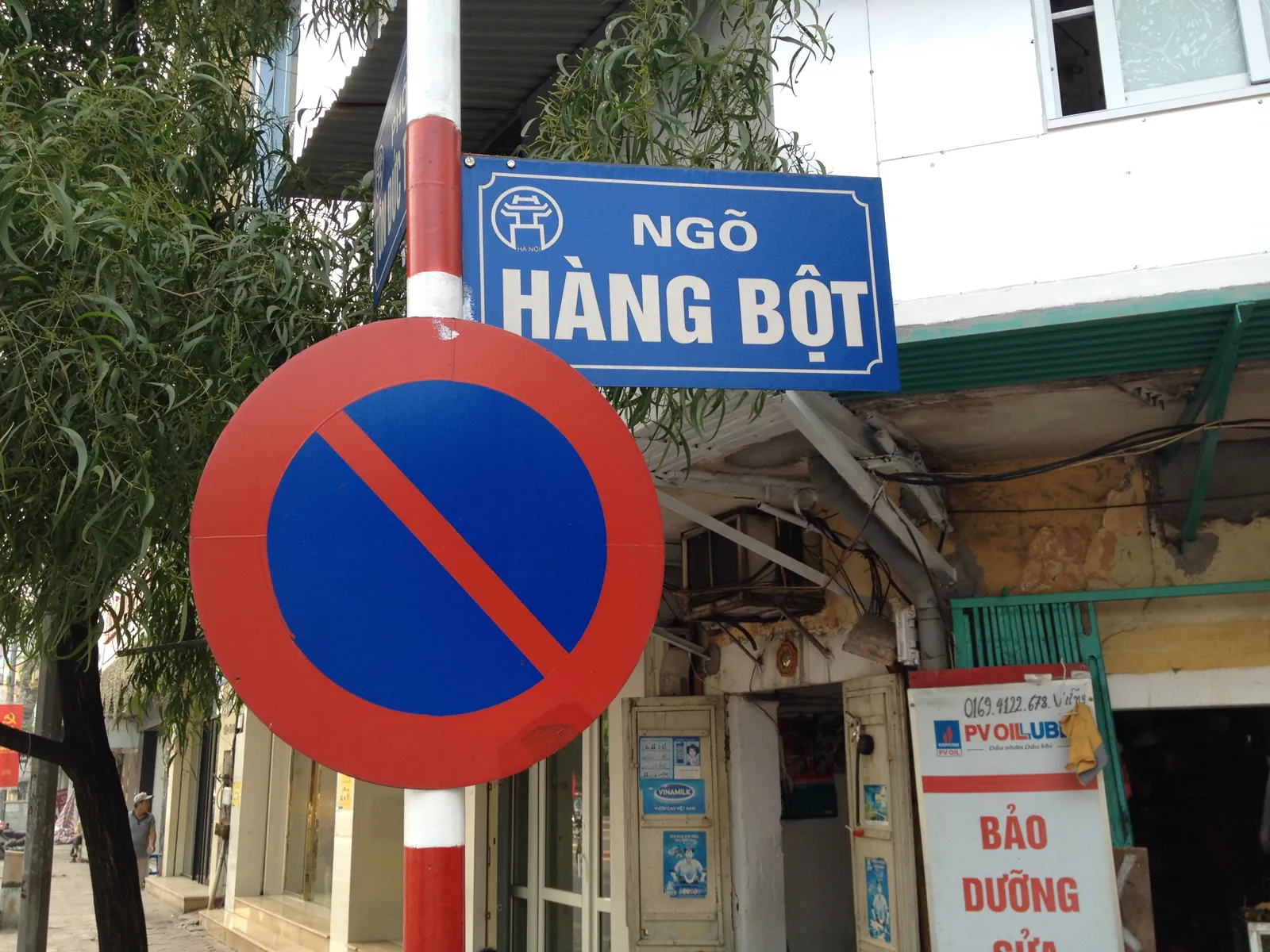
Tẩm quất is an old northern Vietnamese term for a vigorous traditional massage: pressing, kneading and working the muscles, with hands that one writer remembers making crisp, rhythmic sounds. Its connection with blind people goes back at least a century. In his 2023 book about Hanoi’s Hàng Bột street, writer Hồ Công Thiết describes a charity home built in 1907 by a Catholic nun, Sister Antoine, known locally as Sơ An-toan, which took in elderly blind people. At night, some of the stronger old men would slip out carrying a rolled mat and a walking stick, feel their way along paving stones they knew by heart, and call out a long, low “Tẩm quất!” to find customers. Their first clients were night gamblers and labourers finishing a shift. According to his account, the skill came from an old man from Guangdong who knew acupressure and passed it on, and blind masseurs were still working from that neighbourhood into the 1970s. Later, the trade moved from the pavement into small rooms, and its customers increasingly came from the city’s middle class.
The Vietnam Blind Association and its “key trade”
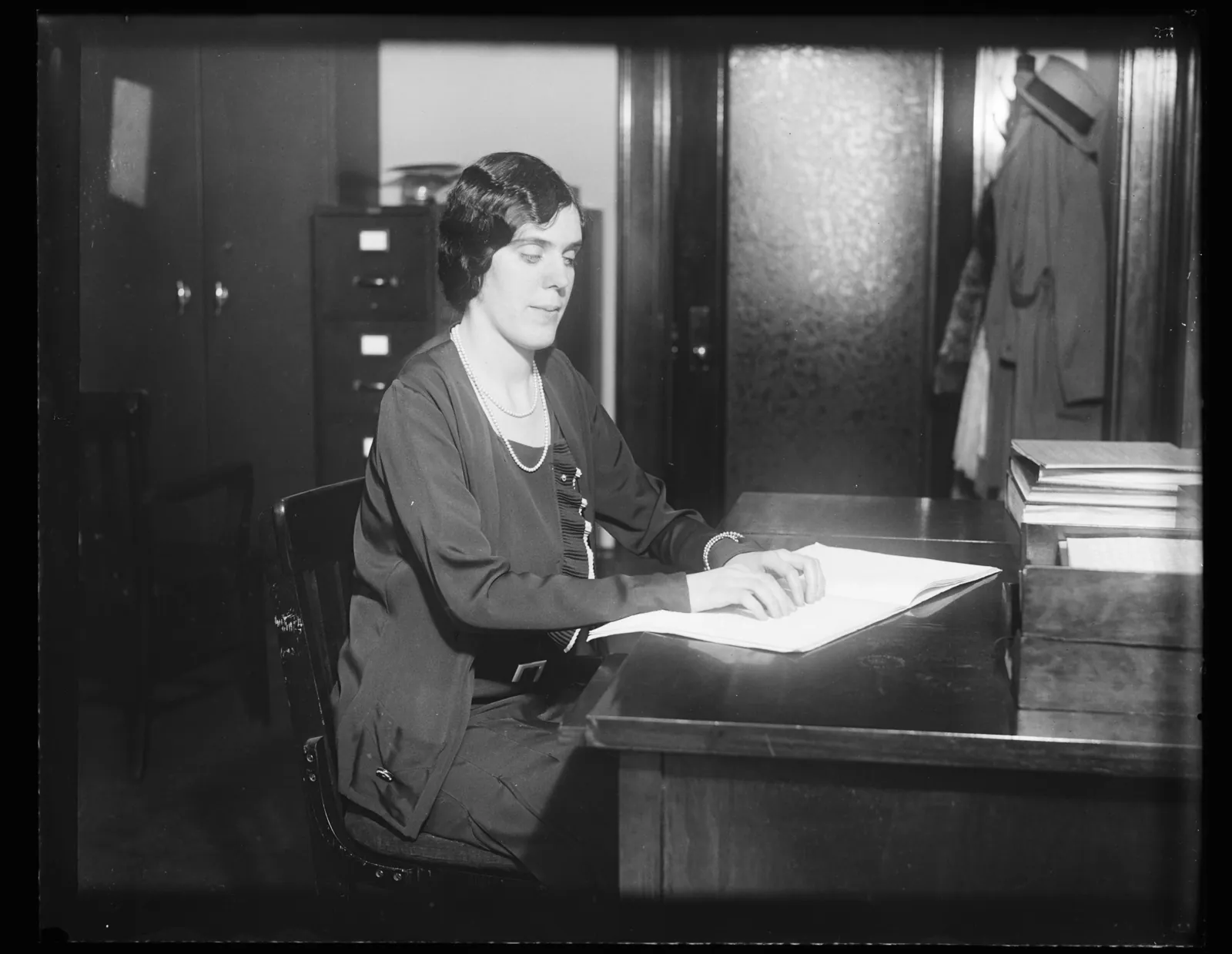
The Vietnam Blind Association (Hội Người mù Việt Nam) was founded on 17 April 1969, during the war, and by 2019 it had more than 74,000 members across the country. Over the decades, massage became the most important trade it trains its members for. The association’s own training centre for blind people opened in 1994, offering courses ranging from basic massage to traditional-medicine acupressure, with lessons in anatomy and acupoints.
At a national workshop in Huế in September 2024, the association’s chairman Phạm Viết Thu called massage the leading trade for blind people in Vietnam and the wider region. The figures presented there show how large the network has become: 252 massage establishments run by provincial associations, close to a thousand smaller groups run by blind managers, and 170 training classes for about 2,650 blind learners since 2022, with more than 90% of graduates finding work. Average earnings were reported at about 3 million dong a month, with skilled technicians earning 7 to 10 million. The association also joined the Asia-Pacific network for blind massage in 2008 and hosted its regional conference in Hanoi in 2023.
Not only in Vietnam
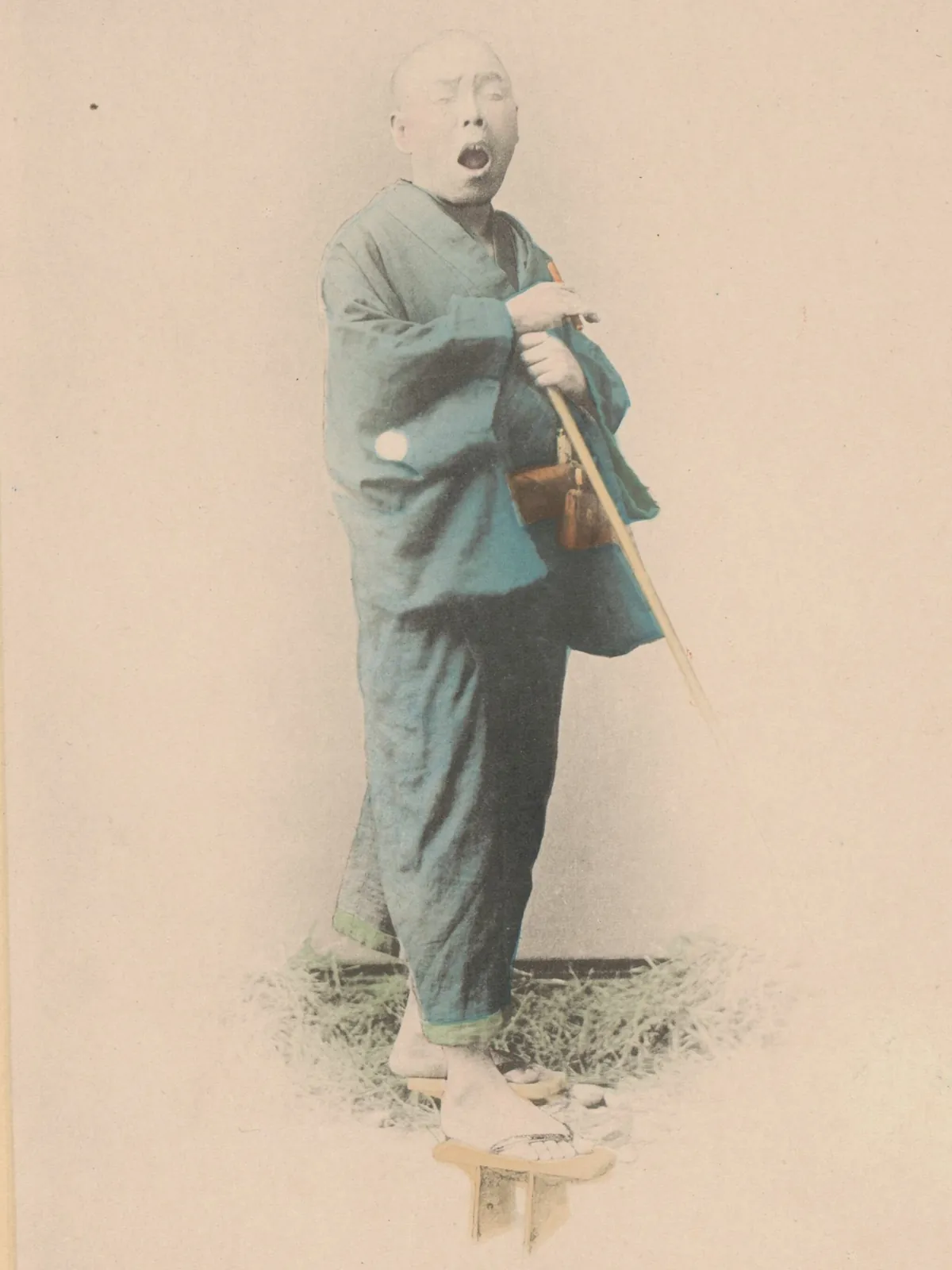
Vietnam is part of a wider Asian pattern. In Japan, historian Wei Yu Wayne Tan describes how, during the Edo period (1600–1868), blind people organised themselves into guilds that practised trades including massage and acupuncture; the blind amma, or masseur, became a familiar figure in Japanese life. In South Korea, the law long reserved massage licences for visually impaired people, and in October 2008 the Constitutional Court upheld that rule, six justices to three, arguing that massage might be one of the few realistic livelihoods open to blind people and urging lawmakers to improve their welfare. Each country followed its own path, but the underlying logic is similar: a skilled trade, built on touch and knowledge of the body, that can provide blind people with a steady income.
Why the reputation matters
Blind masseurs in Vietnam have had to protect more than their customer base. As early as 2014, a Hanoi traditional-medicine official and blind-run business owners told the newspaper Hà Nội Mới that some businesses were using tẩm quất as a front, making customers wary of the term itself and damaging the reputation of legitimate blind-run shops. At the 2024 workshop, Hanoi’s representative again asked the association to work with the authorities against establishments pretending to be blind-run. Representatives from Ho Chi Minh City also called for the trade to be formally recognised as an occupation suited to people with disabilities, with simpler licensing.
If you want to support the real thing, look for signs naming the local Blind Association (Hội Người mù), or simply ask whether the centre is run by or works with it. Once inside, a few small things make the experience easier for everyone: say clearly how much pressure you prefer, nhẹ for gentle and mạnh for strong, mention any sore spots, and introduce yourself by voice rather than tapping someone on the shoulder. Most importantly, treat the person working with you for what they are: a trained professional.
What the science says about massage and acupressure
Massage is one of the more studied hands-on therapies, which means we can be fairly clear about where the evidence looks useful and where it remains uncertain. The main findings:
- Back pain, short term. A 2015 Cochrane review of massage for low back pain found that massage performed better than inactive comparisons for pain and function in the short term, and a little better than some other treatments for pain. But the authors wrote that they had “very little confidence” in the results because of the quality of the trials, and the benefits were mostly short-lived. No serious side effects were reported; the most common one was temporarily increased pain.
- Anxiety and mood. A 2004 meta-analysis of 37 randomised studies found that a single massage lowered state anxiety, blood pressure and heart rate, and that a course of massage reduced trait anxiety and depression. It is an older analysis, so it is better read as a signal of direction than a precise estimate of effect.
- Acupressure. In a 2006 trial published in the BMJ, 129 people with chronic low back pain in Taiwan had one month of either acupressure or physical therapy. The acupressure group reported less disability and pain, and the difference was still present six months later. It is one trial from one clinic, without blinding, so it is a promising signal rather than a settled answer.
What we did not find was any study comparing outcomes between blind and sighted massage therapists, so there is no basis for saying that one group gets better results. What the history does show is simpler and more meaningful: thousands of blind Vietnamese have trained seriously, practised for years and built a skilled trade around touch. Massage can be a reasonable, low-risk way to ease tired muscles for a while; just do not expect one session to resolve a long-standing problem.
Ōmni Evidence Scale: Promising, for short-term back pain relief and lower anxiety after massage. Early evidence, for acupressure for chronic low back pain.
Ōmni and massage: what we offer instead
To be clear, Ōmni Space does not offer massage, acupressure or any hands-on treatment. We wrote this because blind-run massage is part of everyday life in Vietnam, and it deserves to be understood rather than simply noticed in passing.
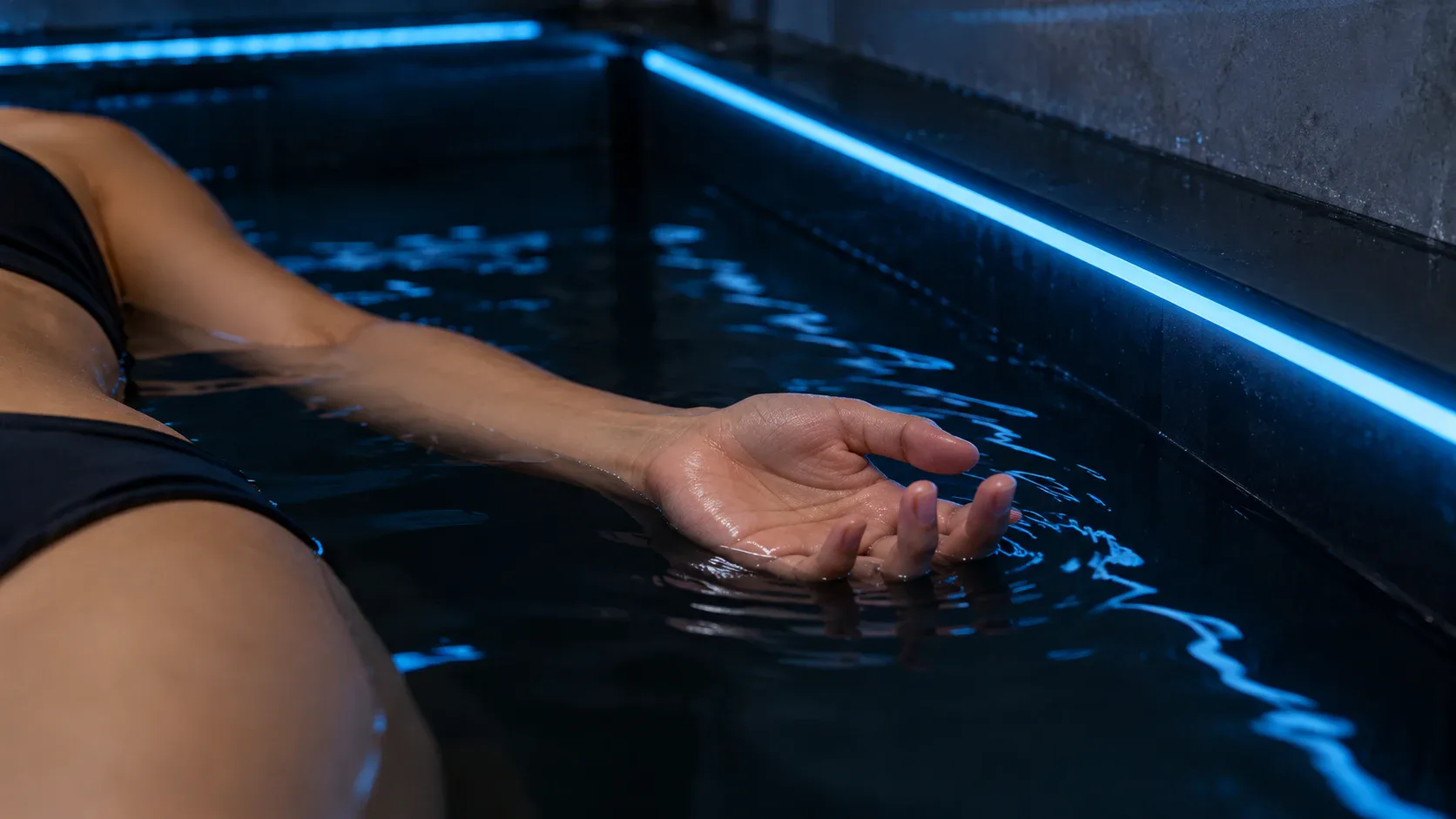
What we do offer, from the team behind Float Vietnam, the country’s pioneer float centre since 2017, is a way to let your muscles rest without touch at all. In Float Therapy, you lie in about 25 cm of water containing around 500 kg of dense, mineral-rich Epsom salt, warmed close to skin temperature, so the water supports your weight. In a 2021 randomised trial of 99 people with chronic pain, pain dropped immediately after every float session; the effect had not lasted to weeks 12 to 24, so people who use Float Therapy for pain usually come regularly. For stress, a randomised crossover study of 31 people with high anxiety sensitivity found that one 90-minute float clearly reduced anxiety and muscle tension compared with a control condition. We rate Float Therapy for stress and relaxation as Strong evidence because, alongside these trials, user experience is overwhelmingly positive: in a 2025 survey of regular floaters, 92% reported relaxation and 77% less stress, echoed by thousands of reviews, Reddit threads and forums, and by athletes and public figures who float. If you are choosing between hands-on and hands-off recovery, our comparison of float, massage and sauna may help.
A float costs 1,500,000 VND for 60 minutes or 2,000,000 VND for 90 minutes. We also have a private infrared and red-light sauna and a private cold plunge, each 450,000 VND on its own or 200,000 VND added to a float. Ōmni Space – Float Saigon is at 16C Quốc Hương, Thảo Điền, open 9:00–21:00 daily; the last float starts at 20:00, and walk-ins are welcome until 18:00.
Float PlanRunning on empty?Take the one-minute Float Plan quiz: tell us how you feel and what you need, and get a simple plan for your first session.Make my Float PlanFAQ
Why are so many masseurs in Vietnam blind?
Massage has been a trade for blind people in Vietnam for about a century, with roots in the elderly blind masseurs of Hanoi. Today, the Vietnam Blind Association treats it as a key trade, trains members and runs hundreds of massage establishments.
What is tẩm quất?
Tẩm quất is a traditional northern Vietnamese style of massage built around pressing, kneading and working the muscles. It has a long association with blind masseurs, and many blind-run shops still use the term on their signs.
How can I find a genuine blind-run massage centre?
Look for signs naming the local Blind Association (Hội Người mù), or ask whether the centre is run by or works with it. The association has warned about businesses using the “blind massage” name without actually being blind-run.
Does massage actually help back pain?
In the short term, it may. A Cochrane review found short-term pain relief compared with no treatment, though the trials were of low quality and the benefits faded. Massage also appears to lower anxiety immediately after a session. We rate it Promising.
Does Ōmni Space offer massage?
No. Ōmni Space does not offer massage or acupressure. We offer private float rooms, an infrared and red-light sauna and a cold plunge in Thảo Điền. Our team is happy to talk you through the options on site.
Written by the team at Ōmni Space – Float Saigon in Thảo Điền, Vietnam’s pioneer float centre since 2017. We do not offer massage. General information, not medical advice; sources checked on 30 October 2026.
Sources
- Hồ Công Thiết (2 June 2023). Phố Hàng Bột mưu sinh thời bao cấp: Tẩm quất Hà thành. Thanh Niên (excerpt from the book Hàng Bột, NXB Lao động and Chibooks, 2023).
- VTC News (18 April 2019). Vietnam Blind Association 50th anniversary report (in Vietnamese).
- Hội Người mù Việt Nam (2024). Phấn đấu đưa nghề tẩm quất, xoa bóp của người mù trở thành thương hiệu có uy tín trên thị trường.
- Hội Người mù Việt Nam. Trung tâm Đào tạo cán bộ PHCN cho người mù: 20 năm trưởng thành và phát triển.
- Quỳnh Anh (23 December 2014). Xây dựng thương hiệu tẩm quất khiếm thị: rất cần để gột tiếng oan! Hà Nội Mới.
- Hope College (2023). Book reveals early modern Japan through the experiences of the blind (on Tan WYW, Blind in Early Modern Japan: Disability, Medicine, and Identity, University of Michigan Press, 2022).
- Kim Tae-jong (30 October 2008). Visually impaired can monopolize massage service. The Korea Times.
- Furlan AD, Giraldo M, Baskwill A, Irvin E, Imamura M (2015). Massage for low-back pain. Cochrane Database of Systematic Reviews (9): CD001929.
- Moyer CA, Rounds J, Hannum JW (2004). A meta-analysis of massage therapy research. Psychological Bulletin 130(1): 3–18.
- Hsieh LL, Kuo CH, Lee LH, et al. (2006). Treatment of low back pain by acupressure and physical therapy: randomised controlled trial. BMJ 332(7543): 696–700.
- Loose LF, Manuel J, Karst M, Schmidt LK, Beissner F (2021). Flotation restricted environmental stimulation therapy for chronic pain: a randomized clinical trial. JAMA Network Open 4(5): e219627.
- Feinstein JS, Khalsa SS, Yeh H, et al. (2018). The elicitation of relaxation and interoceptive awareness using floatation therapy in individuals with high anxiety sensitivity. Biological Psychiatry: Cognitive Neuroscience and Neuroimaging 3(6): 555–562.