
In short: research from Cornell and other universities suggests that spending money on experiences tends to make us happier for longer than buying things. Even looking forward to an experience tends to feel better than waiting for a parcel. And when we give experiences as gifts, they tend to bring us closer to the people we love. These are tendencies, not rules. So if you’re looking for a Christmas or Tết gift in Saigon this year, consider giving someone an hour to themselves. At Ōmni Space in Thảo Điền, a float gift card costs 1,500,000 VND for 60 minutes or 2,000,000 VND for 90.
Think back to 2019. Can you name three presents you received that year? Take your time. Now think of a trip, a dinner that went on for hours, or an afternoon you spent somewhere lovely. Chances are, you can still picture the place, remember who was there, maybe even hear something they said. Funny how that works, isn’t it? Psychologists have been studying this difference for decades, and their findings offer some surprisingly useful advice for choosing gifts. Let’s look at what the research actually tells us, where its limits lie, and how to give someone an experience they’ll remember long after the wrapping paper is gone.
What does the research actually say?
It began with a simple question: does what we spend our money on change how happy we feel about spending it? Four lines of research offer some interesting answers, especially if you’re shopping for someone you love.
1. Doing tends to beat having (Van Boven & Gilovich, 2003)
Psychologists Leaf Van Boven and Thomas Gilovich asked people across several studies to think about something they’d bought to do, like a holiday, a concert or a dinner out, and something they’d bought to own, like clothes, jewellery or a gadget. Again and again, people tended to feel that the experience had made them happier. Their paper, To Do or to Have? That Is the Question, helped open up an entire field of research into why the things we do can mean more to us than the things we buy.
2. Experiences become part of who we are (Carter & Gilovich, 2012)
Travis Carter and Thomas Gilovich wanted to understand why. One answer was that our experiences feel more closely tied to who we are. When people talked about their life stories, they spoke far more about what they’d done than what they owned. They also felt they could understand another person better by knowing their experiences rather than their possessions. A later team repeated parts of the study and found a similar result. Think about it: the places you’ve been, the people you’ve met and the things you’ve tried have all helped make you who you are. A gift that becomes one of those memories can become a small part of someone’s story, too.
3. The waiting is part of the gift (Kumar, Killingsworth & Gilovich, 2014)
Here’s a finding worth remembering when you’re choosing a present. Amit Kumar, Matthew Killingsworth and Thomas Gilovich found that waiting for an experience tends to feel better than waiting for something you’ve bought. Think about the difference. When you’re expecting a parcel, you’re wondering when it will arrive. But when you have a trip or concert coming up, you might find yourself imagining the day, making plans and getting excited about what’s ahead. Their paper has a lovely title: Waiting for Merlot. And it suggests something rather nice about experience gifts: the person gets to enjoy looking forward to them, even before the day arrives.
4. Experience gifts bring people closer (Chan & Mogilner, 2017)
So far, we’ve been talking mostly about things people buy for themselves. Cindy Chan and Cassie Mogilner asked a different question: what happens when we give experiences to someone else? Across four studies, including real exchanges of gifts between friends, they found that experience gifts strengthened relationships more than material gifts did. And here’s the lovely part: the giver didn’t even have to be there. What mattered was how the recipient felt while enjoying the experience. That feeling could become connected to the person who gave it to them. Sometimes, giving someone a wonderful afternoon is a way of being part of it, even from a distance.
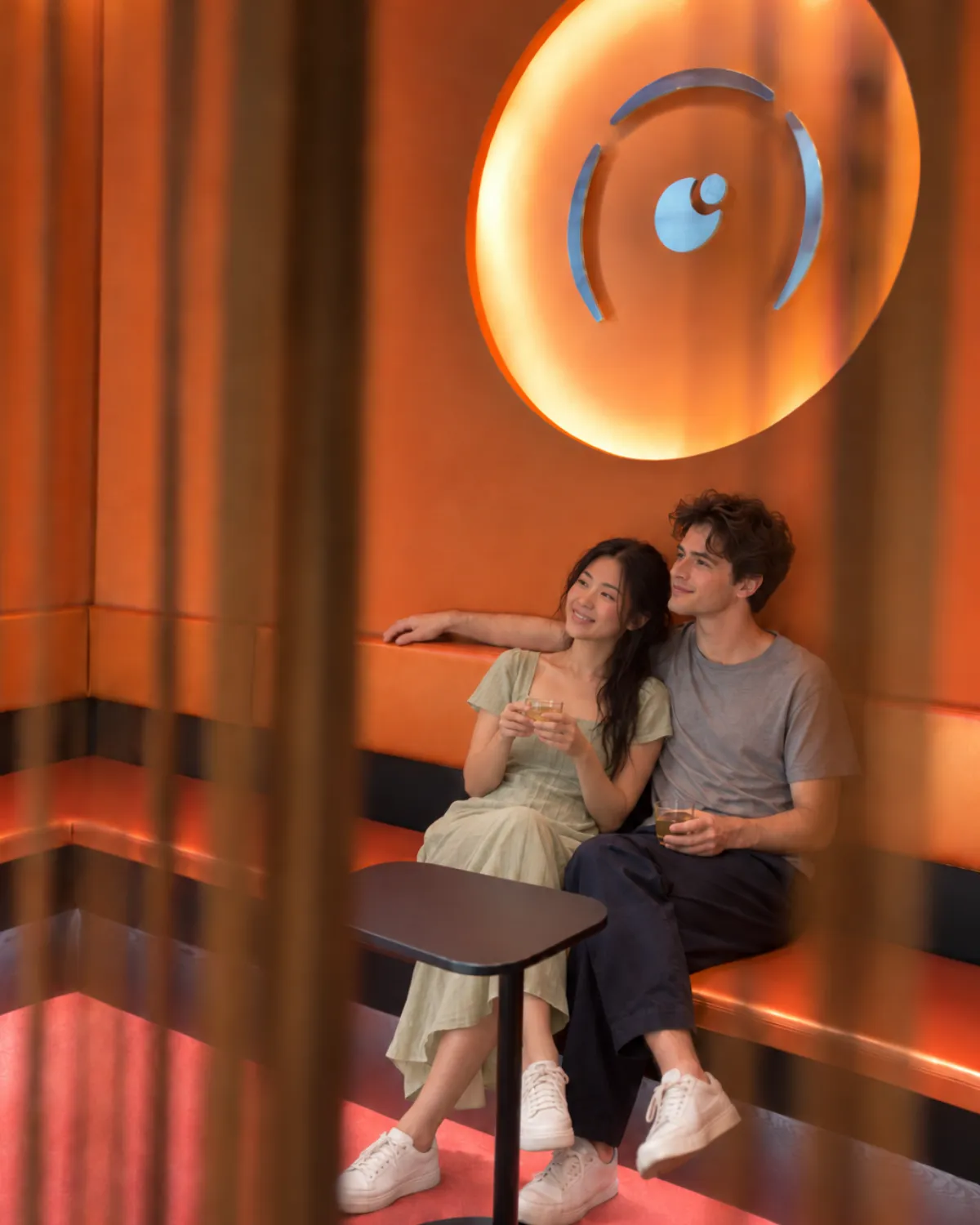
Why do experiences tend to stay with us longer?
Put these studies together, and a few familiar things about being human start to make sense.
- We get used to things. Remember how exciting your new phone felt when you first got it? Now it’s just your phone. Psychologists call this adaptation. Experiences work a little differently. The day ends, but the memory stays with you.
- Good memories can grow sweeter. Years later, you might forget the little details of a trip, but still remember the laughter, the view or the feeling of being there. Sometimes a simple afternoon becomes a favourite story.
- We love telling stories. You probably don’t call a friend just to describe your new kettle. But an unusual experience? That’s something you might bring up over dinner, tell your family about or laugh over together years later.
- Some experiences feel uniquely yours. There’s always a newer gadget coming out. But your first float, your first dive or that night you watched the stars with someone special? Nobody else can have quite the same memory.
But let’s be fair: sometimes things make better gifts
Before we start buying everyone experience vouchers, there’s an important part of the research we should talk about. In 2021, Evan Weingarten and Joseph Goodman brought together findings from 141 studies comparing experiences and material purchases. Overall, experiences still had an advantage, but it was a modest one. The researchers also noted that some of the apparent advantage might come from positive results being more likely to get published. And the difference became smaller in several situations:
- When money is tight. If someone has practical needs, a useful gift might mean more than a day out. A good rice cooker could be exactly what makes their life easier.
- When an experience is enjoyed alone rather than shared with someone or talked about afterwards, the advantage can be smaller.
- When an experience isn’t enjoyable. What matters is choosing something the person will genuinely appreciate, not simply choosing an experience for its own sake.
- When something gets used and loved every day. A great pair of running shoes, a warm blanket or a bicycle that becomes part of someone’s weekend routine can bring plenty of happiness, too.
So no, the lesson isn’t that experiences always win. It’s more personal than that. If someone already has most of what they need, giving them something they would enjoy doing, and perhaps remember or talk about afterwards, tends to be a lovely choice. One important distinction: these studies look at spending and gifts in general. They aren’t studies of float therapy, and we don’t use them as proof that floating works. They simply help explain why an experience can make such a meaningful gift.
How to choose an experience gift they’ll actually enjoy
A little thought goes a long way. Here are five things worth considering before you buy, inspired by what we’ve learned from the research.
- Think about their life, not yours. Someone who’s always looking after everyone else might love a quiet afternoon to themselves. Your adventurous friend might prefer something that gets their heart racing. The best gift feels like you really know them.
- Make it easy to enjoy. Look for flexible dates, plenty of time to redeem the gift and somewhere convenient to reach. A wonderful experience is even better when arranging it feels effortless.
- Give them something to look forward to. Add a little note describing the experience you’ve chosen. Let them imagine the day before it even begins.
- Choose something worth remembering. It doesn’t need to be extravagant. Sometimes trying something for the first time, or doing something a little out of the ordinary, makes the loveliest story.
- Share the moment, or share the story afterwards. Experiences we enjoy together or talk about later tend to stay with us. If you can’t join them, ask how it went. You might get a wonderful story over your next coffee.
Experience gift ideas in Saigon, for the people you love
Looking for something thoughtful in Ho Chi Minh City this Christmas or Tết? Here are a few ideas for different people in your life, from simple afternoons to something a little more special.
- For someone who already has everything: a cooking class with a local chef, a little trip outside the city, or an hour of complete quiet in a float room. In a city that rarely stops moving, a little stillness can feel like a wonderful luxury.
- For a couple: a long dinner somewhere they’ve always wanted to try, an evening at the Saigon Opera House, or a float together in one large square pool. Just the two of them, side by side, with nothing they need to say.
- For your parents: a slow morning together, a visit to somewhere that holds special memories, or 90 minutes of quiet rest after all the cooking, visiting and preparations around Tết.
- For a friend leaving Vietnam: one more lovely afternoon in Saigon before they fly away. We’ve put together more farewell gift ideas for just this occasion.
- For your team: an experience that feels like a genuine thank-you, with the freedom for everyone to enjoy it in their own time. Explore our ideas for year-end employee gifts.
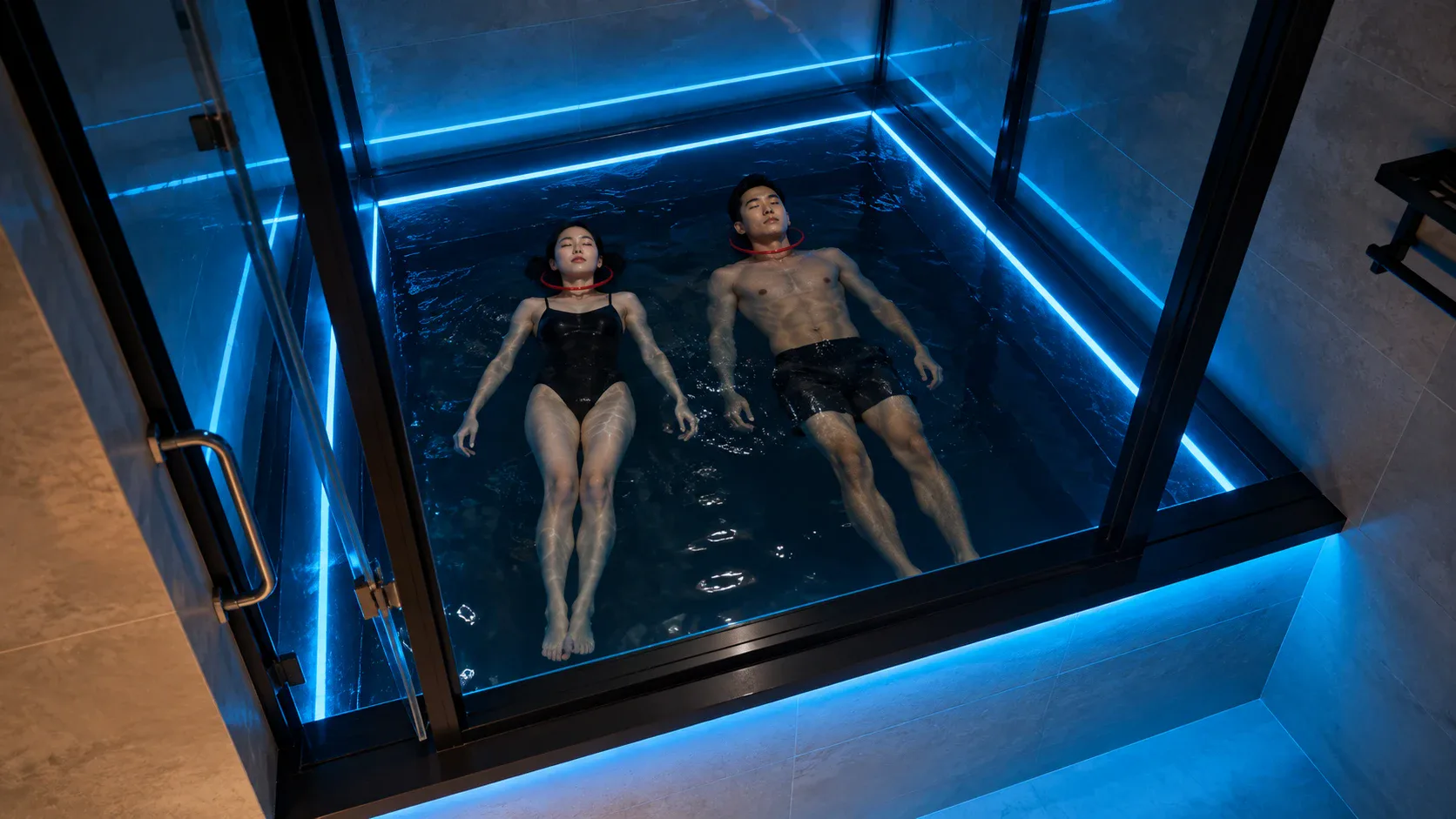
Why floating makes a thoughtful experience gift
Now, what about floating? Let’s look at it through those five questions. During a float session, you lie back in warm water close to the temperature of your skin. The water holds dense, mineral-rich Epsom salt, which gently supports your body without any effort on your part. You have a private room where the lights and sound can be turned off. For a little while, there’s nowhere you need to go and nothing you need to do. If this is all new to you, here’s a simple introduction to what float therapy is.
- It’s something new for many people. Most of us haven’t tried floating before. That makes it a little adventure of its own, and perhaps a story to share afterwards.
- You don’t need to know how to do anything. There’s no technique to learn or fitness level to reach. You simply lie back and let the water support you. You don’t even need a swimsuit, as every float room is private and has its own shower.
- It’s an invitation to genuinely rest. Float therapy is an active research field, and studies so far show clear effects on stress and muscle tension. Some guests tell us they continue to feel lighter in the days afterwards, though everyone’s experience is different. You can explore what the evidence does and doesn’t tell us on the Ōmni Evidence Scale.
- There’s plenty of time to enjoy it. Gift cards bought this season are valid for 12 months. Ōmni Space is in Thảo Điền and opens every day from 9:00 to 21:00, so your recipient can choose a day that suits them.
- Even looking forward to it feels lovely. Imagine knowing that somewhere in your calendar is a quiet hour waiting just for you. Warm water, gentle light and time that belongs entirely to yourself.
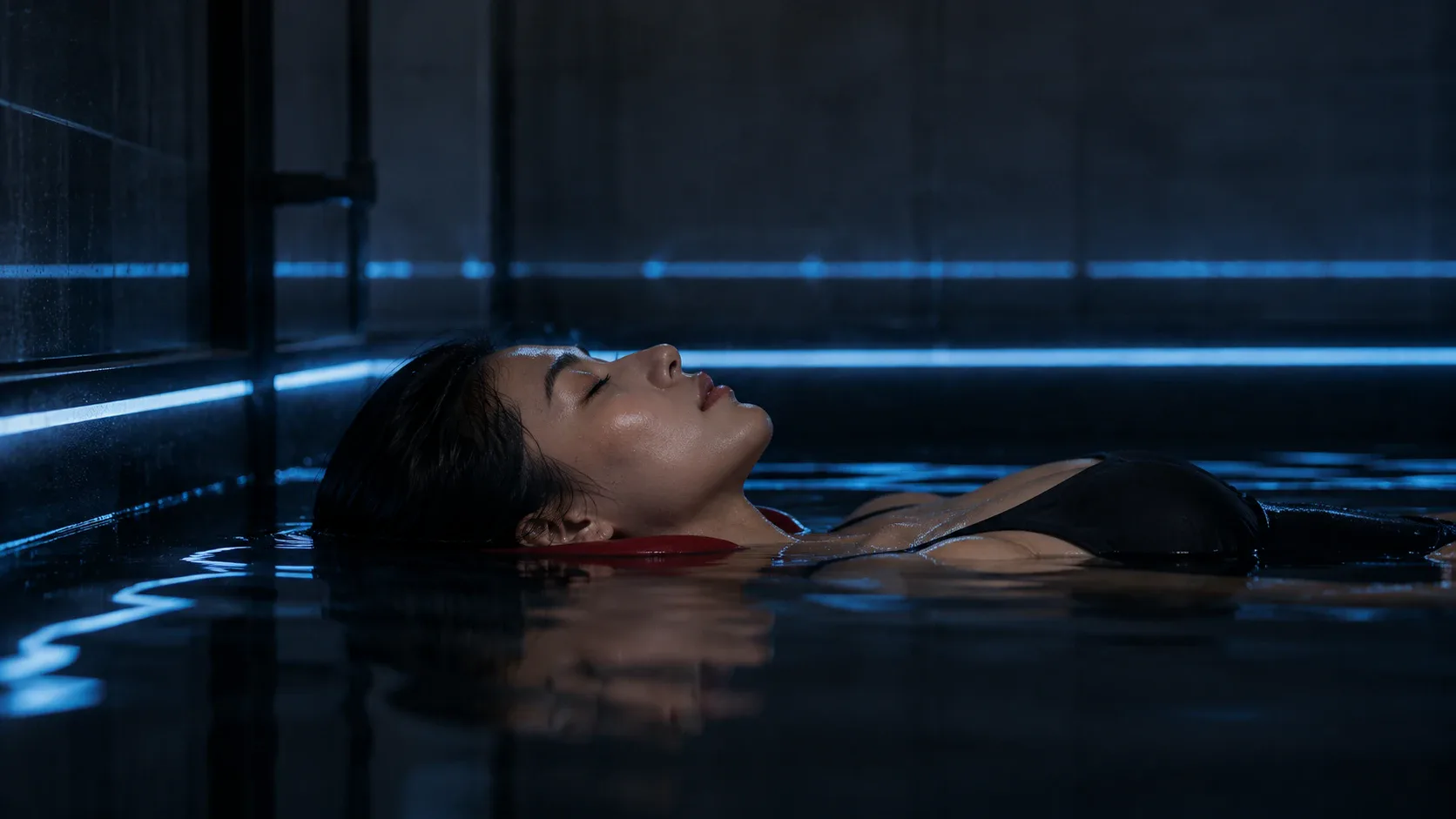
Ōmni Space float gifts for Christmas and Tết
We’ve made the gifting part simple, too. Every gift comes tucked inside our Christmas–Tết gift envelope, ready to give to someone you love.
| Gift | A lovely choice for | Price |
|---|---|---|
| Gift card, 60-minute float | Someone trying floating for the first time, a Secret Santa, a colleague | 1,500,000 VND |
| Gift card, 90-minute float | Someone who’s done so much this year, or a parent who deserves a little rest before Tết | 2,000,000 VND |
| Couple gift card, 90 minutes for two | Your partner, a mother and daughter, or two best friends | 2,700,000 VND |
| Intro Pack gift, 3 × 90 minutes | Someone you’d love to see making more time for themselves by spring | 3,000,000 VND |
A little extra in November: buy a 90-minute gift card or a couple 90-minute gift card in November, and we’ll include an infrared & red light sauna session for the recipient to enjoy when they visit. For couple gift cards, both people receive a sauna session. This extra isn’t included with 60-minute cards.
If you love the idea of giving someone more than one experience, take a look at the Intro Pack gift. It’s one float to discover something new, and three chances to feel the difference. At 3,000,000 VND, it costs half the regular price of three 90-minute sessions. The recipient has one year from purchase to begin, then three months from their first float to enjoy the remaining sessions. So there’s something lovely to look forward to more than once. The pack is for one person, but they can bring someone they love along for 700,000 VND per session.

How to buy and send your gift
- Order online: visit our gift page, pick the experience you’d like to give and pay by bank transfer.
- Visit us or send a message: come by 16C Quốc Hương, Thảo Điền, where we accept international cards, or simply message our team and we’ll help you choose.
- Have it delivered: we can send the gift envelope by Grab and cover 50,000 VND of the delivery fee. For Christmas delivery, please order by 12:00 on 22 December. For Tết, the deadline is 12:00 on 3 February.
- Let them pass it on: gift cards are freely transferable. If their plans change, they can give that quiet hour to someone else.
Give them something to look forward to: three little card messages
Remember what the research said about anticipation? The experience doesn’t have to begin on the day they use their gift. A few thoughtful words can give them something to smile about right now. Here are some ideas you can borrow.
“I wanted to give you something that wasn’t another thing. So here’s an hour that’s entirely yours. No one needs anything from you. Tell me all about it afterwards.”
“You’re always looking after everyone else. This time, let someone look after you. 90 minutes of warm water, soft light and quiet. Pick a day just for yourself.”
“Here’s something lovely to look forward to in the new year. Three floats, three quiet hours, all yours. I can’t wait to hear what you think.”
Because floating is new to so many people, we’ve also written a little guide for whoever receives your gift. It explains what the experience feels like, how to book and what to bring. You can include a link to You got a float gift with your message, so they’ll know exactly what to expect.
Curious enough to try it yourself before giving it away? Here’s what your first float at Ōmni feels like.
Float PlanRunning on empty?Take the one-minute Float Plan quiz: tell us how you feel and what you need, and get a simple plan for your first session.Make my Float PlanFrequently asked questions
Are experience gifts really better than physical gifts?
Often, but not necessarily. Research since 2003 suggests that experiences tend to bring more lasting happiness than possessions, and that experience gifts tend to strengthen relationships. But the difference is smaller when money is tight, when an experience is enjoyed alone or isn’t enjoyable, or when a practical gift becomes something someone uses and appreciates every day. The best choice still depends on the person you’re buying for.
Why do experiences tend to make us happier than things?
Researchers have found a few possible reasons. We tend to get used to new possessions fairly quickly, while memories of enjoyable experiences can grow sweeter with time. Experiences also give us stories to share, become part of how we see ourselves, and offer something pleasant to look forward to before they even happen.
What’s a good experience gift in Saigon for someone who has everything?
How about an hour when nobody needs anything from them? A float gift card at Ōmni Space in Thảo Điền costs 1,500,000 VND for 60 minutes or 2,000,000 VND for 90 minutes. If you’d like to give two people some time together, a couple gift card for 90 minutes is 2,700,000 VND.
How long does an Ōmni Space gift card last?
Gift cards bought this season are valid for 12 months, so there’s no need to rush to choose a date. For the Intro Pack gift, the recipient has one year from purchase to enjoy their first float, then three months from that session to use the remaining floats.
Can I have the gift delivered in time for Christmas?
Yes. We can send the gift envelope by Grab, and Ōmni Space will cover 50,000 VND of the delivery fee. Please place your order by 12:00 on 22 December for Christmas, or by 12:00 on 3 February for Tết.
Does the person receiving the gift need a swimsuit?
No swimsuit needed. Every float room is completely private and has its own shower, so most guests choose to float without one. It’s entirely their own space to relax.
Written by the team at Ōmni Space in Thảo Điền. The research cited below looks at spending and gift-giving in general, not float therapy specifically. Gift prices apply to the season from 6 November 2026 to 5 February 2027.
Sources
- Van Boven L, Gilovich T (2003). To do or to have? That is the question. Journal of Personality and Social Psychology 85(6): 1193–1202.
- Carter TJ, Gilovich T (2012). I am what I do, not what I have: the differential centrality of experiential and material purchases to the self. Journal of Personality and Social Psychology 102(6): 1304–1317.
- Kumar A, Killingsworth MA, Gilovich T (2014). Waiting for Merlot: anticipatory consumption of experiential and material purchases. Psychological Science 25(10): 1924–1931.
- Chan C, Mogilner C (2017). Experiential gifts foster stronger social relationships than material gifts. Journal of Consumer Research 43(6): 913–931.
- Weingarten E, Goodman JK (2021). Re-examining the experiential advantage in consumption: a meta-analysis and review. Journal of Consumer Research 47(6): 855–877.