
About Ōmni Space
We’re building a place where busy minds can finally rest.
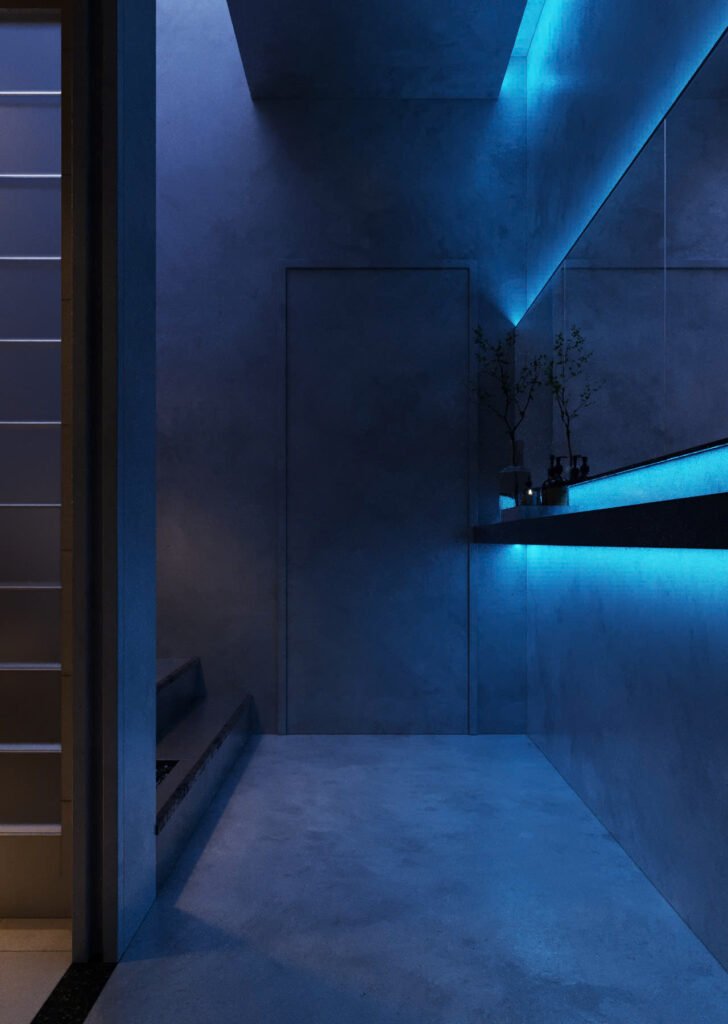
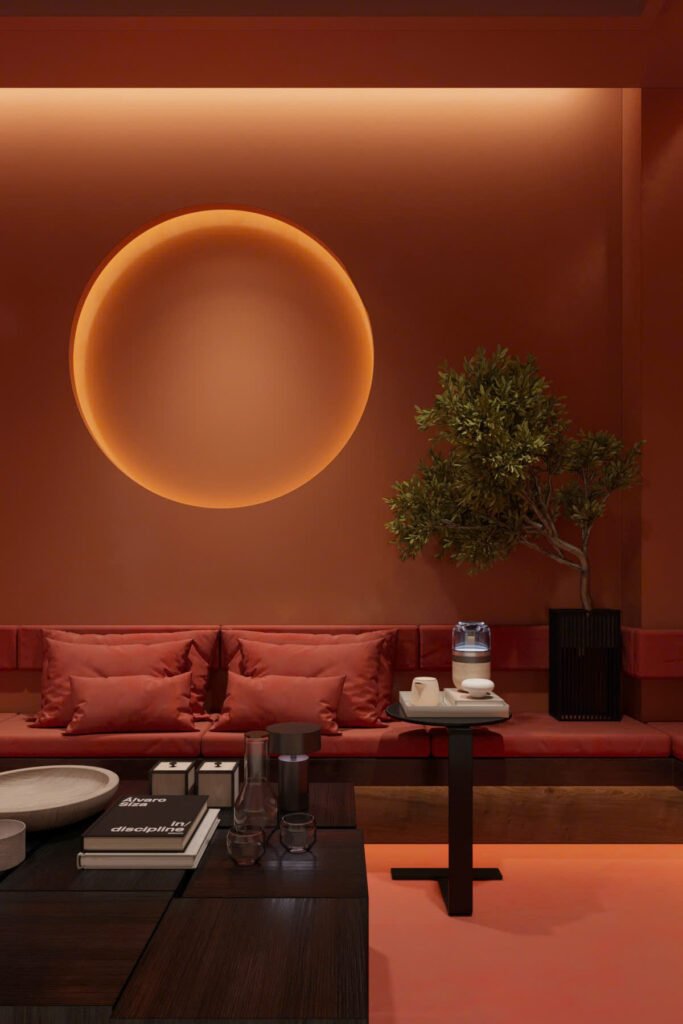
Ōmni Space opened in Thảo Điền in 2025, built by the team that brought float therapy to Vietnam in 2017. We create hidden sanctuaries in the heart of busy cities, where body and mind can return to their natural state of calm.

Why rest matters now
Life has never asked more of our minds.
We strive for more, and the striving brings more problems to solve: stress, anxiety, sleepless nights. It reaches us whether we are leading a company or caring for a family at home. And in an always-on, AI-accelerated world, switching off has never been harder.
A note from our founder
I have worn many hats: investment analyst, startup fund manager, business owner and founder. Along the way, I came to realise:
The busier we are, the more deeply we need to rest, in our homes and in our own bodies. Yet in the age of AI, true rest is becoming harder and harder to find.
So we created Ōmni Space: float therapy, a private sauna, quiet conversations and a place to be still and present. A space where life slows down, where we can grieve, remember, turn inward and feel alive again.
Founder, Float Vietnam & Ōmni Space
01
Why we exist
Rest shouldn't be a luxury
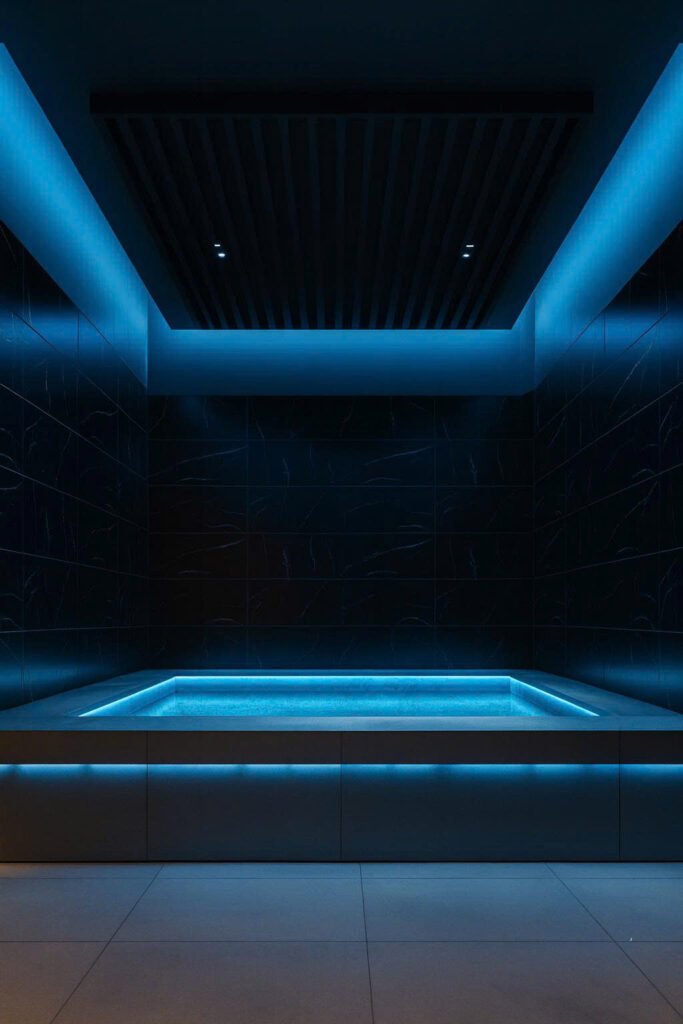
Modern life floods the senses from the moment we wake. We built a place that does the opposite: it switches the world off, so your nervous system can finally reset.
- Total darkness and near-perfect silence
- 500 kg of Epsom salt for effortless, weightless floating
- Private rooms, each with its own shower
02
How we work
Engineered for stillness
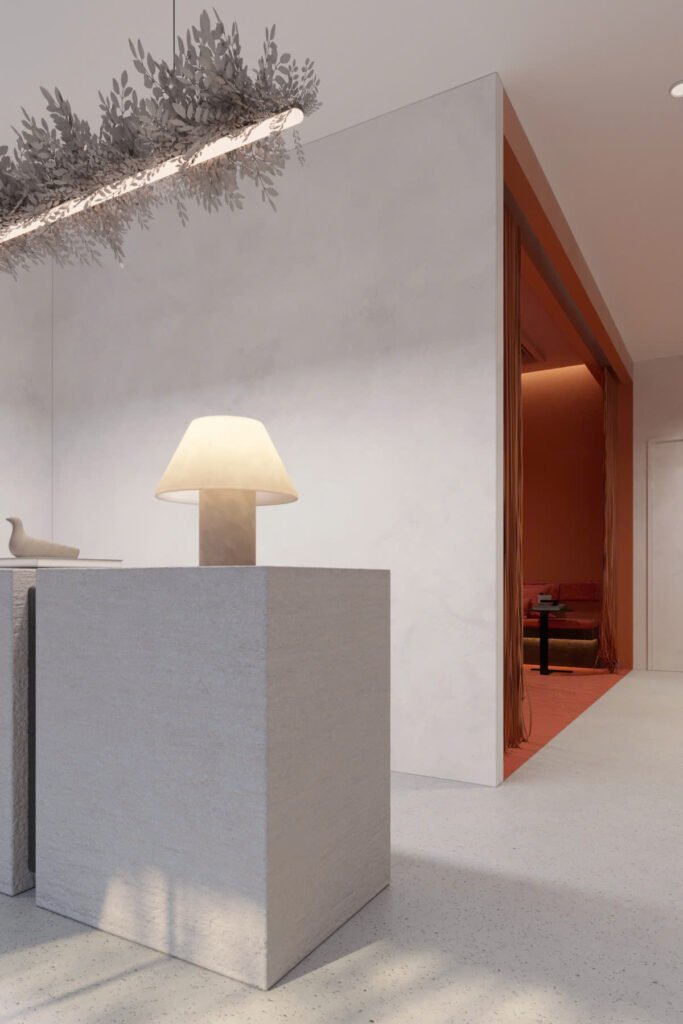
We began as explorers of altered states: meditation, sound, light, hypnosis, lucid dreaming. Sensory deprivation was the holy grail, so we built our own tank before we ever opened our doors. Years of practice now go into every detail.
- Top-notch soundproofing, light-proofing and water at skin temperature
- Float therapy, infrared sauna, red light and cold plunge
- A 30-minute reset and filtration between every session
03
Where we're going
A network of hidden sanctuaries
Our aim is simple and ambitious: quiet places in the heart of busy cities, where bodies and minds can retreat to their most whole state of being.
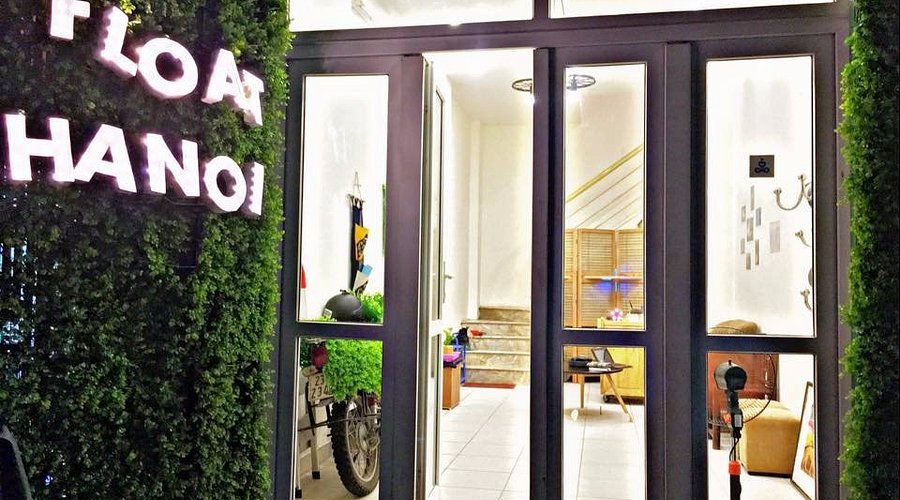
- From Float Vietnam in Hanoi to Ōmni Space in Saigon
- Rest grounded in research, not trends
- Open daily, 9:00 to 21:00, in Thao Dien
What the research says
Stillness you can measure
Floatation-REST (Reduced Environmental Stimulation Therapy) has been studied for decades. Two findings we return to often:
Our story
From one float tank to Ōmni Space
Every step has followed the same idea: give people a real place to rest.
01
2017
Float Vietnam opens
The first float therapy center in Vietnam opens its doors in Hanoi.
02
2018
Saigon
Float Saigon opens, bringing deep rest to Ho Chi Minh City.
03
2025
Ōmni Space, Thao Dien
Ōmni Space opens in Thao Dien in 2025: a new, quiet sanctuary built entirely around sensory deprivation.
Ōmni in numbers
9+
1,000+
500 kg
Sources
- Gallup, State of the Global Workplace, 2024.
- World Health Organization & International Labour Organization, 2022.
- DataReportal / GWI, Digital 2025 report.
- U.S. Centers for Disease Control and Prevention (CDC), 2016.
- Feinstein J.S. et al., PLOS ONE, 2018.
- Kjellgren A. & Westman J., BMC Complementary and Alternative Medicine, 2014.
Ready to float?
Book your first session at Ōmni Space Thao Dien. We recommend three sessions close together for the deepest rest.