Author: Duc Nguyen Trung

  • Why Three Float Sessions Matter

    Why Three Float Sessions Matter

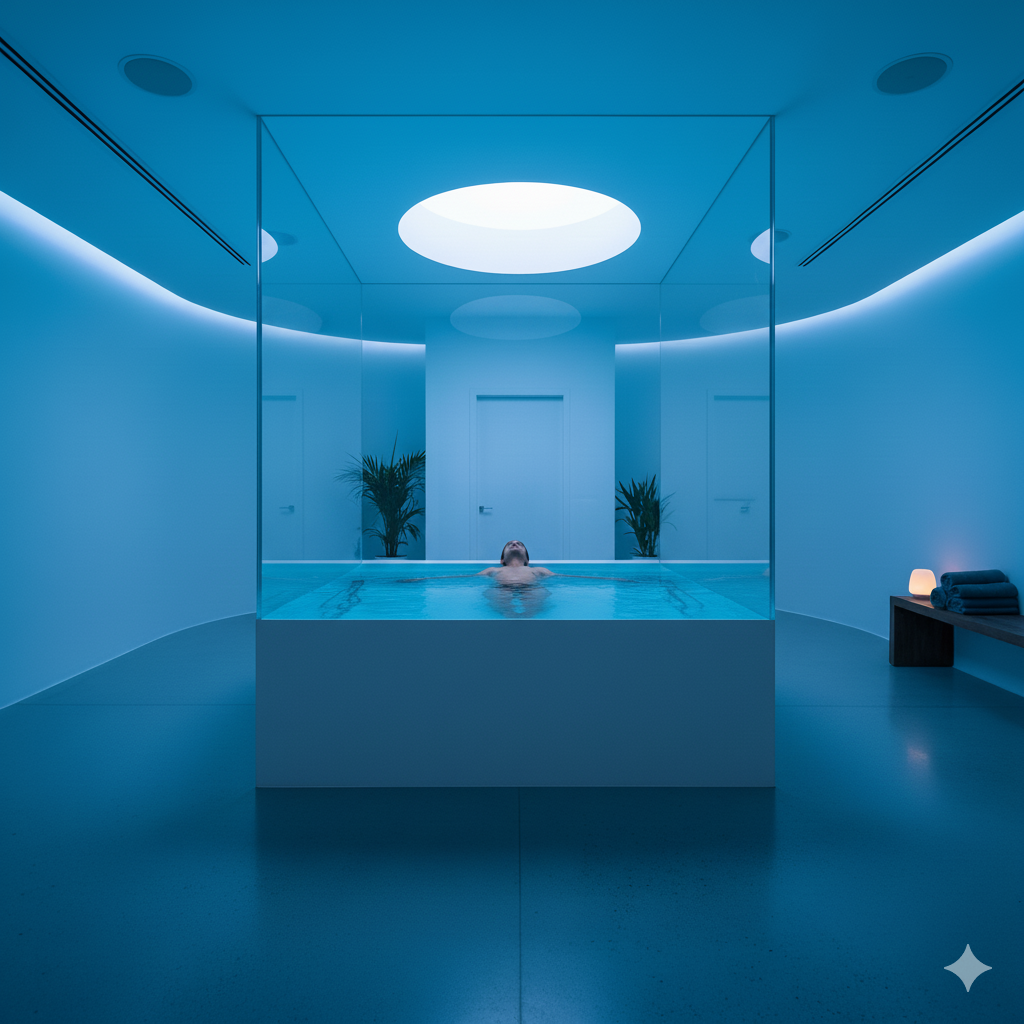
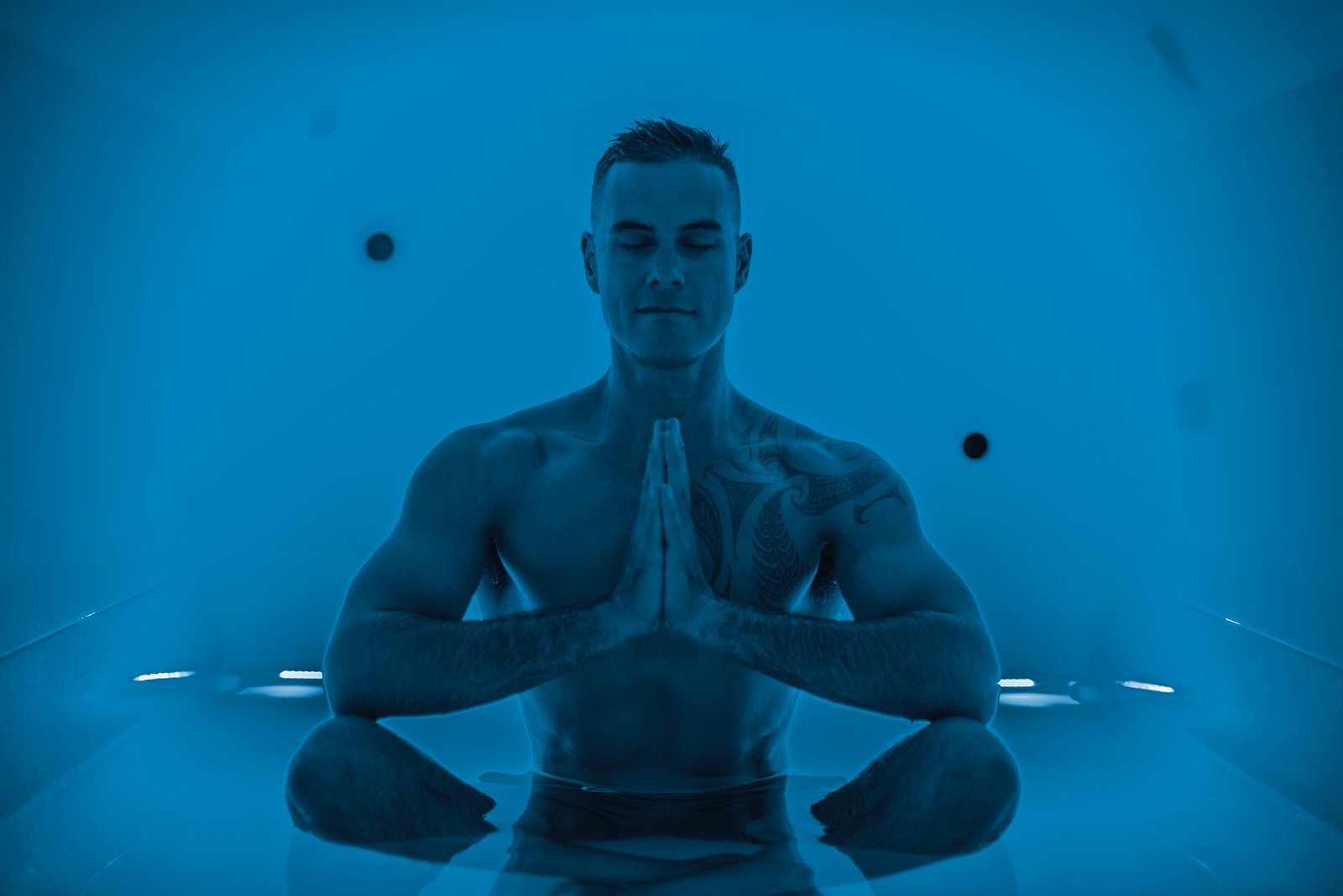
    Person floating in a float tank, retraining the nervous system to relax

    Float therapy is not an indulgence.It is a nervous system retraining process: a gradual unlearning of tension and a return to the body’s original blueprint of stillness.Inside a sensory deprivation tank, there are no inputs to react to. No gravity to fight. No expectations to meet.Your system does not immediately know what to do with that.This is why the first float introduces you to the environment.
    The second deepens the familiarity.
    And the third unlocks what people describe as “the real beginning.”

    Here’s how the nervous system adapts across three sessions:

    Session 1 Introduction: Your body investigates the environment

    For most people, the first float feels like this:

    – A bit of overthinking– Difficulty letting go
    – The mind scanning for “what’s next”
    – Muscles releasing in small incrementsYour body is studying the safety of the environment.Your mind is negotiating with the silence.It is normal.
    It is necessary.
    And it sets the baseline.

    You walk out lighter. Not transformed yet, but softened. You might feel light on your feet, food taste a little bit more flavorful and conversation seem more enjoyable. You feel like a mini blissful vase of happiness but it dried out eventually, often after 5 days.

    Session 2 Adaptation: When the body begins to trust

    The second time, something subtle but profound happens:

    Your system recognizes the absence of threat and remember the taste of happiness from last time.This recognition creates physiological permission to surrender.– Breathing slows– The sense of “me vs. water” dissolves
    – Gravity disappears
    – The nervous system shifts into parasympathetic dominance

    Many people experience the beginning of the “no-body state” here a dissolving of physical boundaries that meditation often takes years to cultivate.

    Session 3 Reset: The nervous system knows the way home

    By the third float, your body does not waste energy adjusting.It goes straight into restoration.– Cortisol drops
    – Brainwaves shift toward theta
    – Muscular tension melts without effort
    – Emotions reorganize with clarity
    – The mind becomes spacious, precise, quiet

    This is where transformation begins: not at session 1, but at session 3.

    Float therapy is not about chasing an experience.
    It is about returning the nervous system to the state it was designed for:
    still, balanced, perceptive, and deeply rested.This is why the Intro Pack (3 sessions) exists.Not as a promotion but as the minimum threshold where the real work of float therapy begins.How Many Float Sessions Are Enough?After the initial 3 sessions, you have mastered the tool. The subsequent journey depends on your needs:

    • For maintaining balance: 1-2 times per month is an ideal frequency.

    • For resolving accumulated stress: When life feels overwhelming, that’s a sign you might need to float once a week, or even twice, for timely emotional and mental support.

    • For deeper immersion: If you want to accelerate the process, an intensive period of floating (e.g., 3 sessions in 2 weeks) can lead to a leap in awareness.

    See floating as a holistic wellness partner: there for you when you need support during a crisis, and accompanying you to maintain a state of peak performance in peace.

    Our goal is to give you this tool: an optimized space for you to shed the layers of mental dust and connect with your most authentic, peaceful, and powerful self.

    Omni Space – Thao DienBook your 3-session foundational journey experience at: omnispacevn.com
  • Stress & Cortisol: Why Floating is the Reset Button Professionals Need

    Stress & Cortisol: Why Floating is the Reset Button Professionals Need

    black blue and yellow textile

    If you’re a professional, entrepreneur, or executive, you already know the feeling: tight deadlines, back-to-back meetings, endless notifications. Stress isn’t just a mental burden. It’s a physiological storm inside your body, driven by a hormone called cortisol.

    Float therapy offers a rare and powerful way to reset that system, helping you recharge, focus, and perform at your best.

    What is Cortisol, and Why Does It Matter?

    Cortisol is your body’s primary stress hormone. Released by the adrenal glands, it prepares you to handle challenges by:

    • Increasing blood sugar for quick energy

    • Heightening alertness

    • Suppressing non-essential systems (like digestion or immune response)

    In short bursts, cortisol is useful. But in today’s nonstop work culture, many of us live with chronically elevated cortisol levels.

    Symptoms of cortisol overload:

    • Brain fog, poor concentration

    • Sleep problems

    • Weight gain (especially belly fat)

    • Anxiety and irritability

    • Weakened immune system

    (Sources: Harvard Health, Mayo Clinic)

    How Float Therapy Resets Cortisol Levels

    Inside a float room, the world finally quiets down. No phone, no emails, no pressure on your body. Just silence, stillness, and zero-gravity support.

    Here’s how floating directly impacts stress and cortisol:

    1. Activates the Parasympathetic Nervous System

      • Floating stimulates the body’s “rest & digest” response, counterbalancing the constant “fight-or-flight” mode that drives cortisol up

    2. Lowers Cortisol Naturally

      • Clinical studies show a single float session can significantly reduce cortisol levels, leaving you calmer and more focused afterward.

    3. Releases Endorphins & Dopamine

      • These “feel-good” chemicals balance stress hormones and boost mood, improving resilience under pressure.

    4. Supports Deep Recovery

      • Weightlessness removes pressure on muscles and joints, while magnesium in Epsom salt supports relaxation and energy balance.

    (Sources: National Library of Medicine; Float Research Collective)

    Why Professionals Benefit Most

    Floating is not escapism. It’s a performance recovery tool.

    For busy professionals:

    • 60 minutes of floating can feel like 4 hours of deep rest.

    • You leave the tank with clearer thinking and sharper focus.

    • Over time, regular floating builds stress resilience, so you don’t just recover, you adapt.

    Executives, founders, and high-achievers worldwide use floating as part of their wellness strategy to stay at the top of their game.

    Beyond Stress Relief: The Bigger Picture

    Chronic stress doesn’t just hurt your career. It impacts your health, relationships, and overall quality of life. Float therapy is one of the few practices that simultaneously:

    • Heals the nervous system

    • Balances hormones

    • Nurtures mental clarity

    It’s not a luxury; it’s maintenance for modern life.

    Reset Yourself at Omni Space

    At Omni Space in Thảo Điền, we’ve built Vietnam’s first dedicated float center for professionals who demand both performance and wellbeing.

    If you’ve been running on stress for too long, this is your reset button.

    👉 Book your float today and give your body (and your cortisol levels) the break they need.

  • How Float Therapy Resets Your Default Mode Network (DMN)

    How Float Therapy Resets Your Default Mode Network (DMN)

    Brain illustration showing how float therapy quiets the default mode network

    Understanding the Default Mode Network (DMN)

    Have you ever noticed how your mind keeps wandering, rehashing old memories, worrying about the future, replaying conversations? That mental “background noise” is powered by a part of the brain called the Default Mode Network (DMN).

    When it’s overactive, the DMN can keep us stuck in cycles of stress, rumination, and anxiety. But in the stillness of float therapy, something remarkable happens: the DMN finally quiets down, giving your brain a chance to reset.

    What is the Default Mode Network (DMN)?

    The Default Mode Network is a network of brain regions (including the medial prefrontal cortex, posterior cingulate cortex, and angular gyrus) that activates when we are not focused on the outside world.

    In everyday life, it’s responsible for:

      Mind-wandering and daydreamingSelf-reflection (sometimes tipping into self-criticism)Time travel of the mind (reliving the past, imagining the future)

    • The “inner narrator” that never stops talking

    • While the DMN is essential for creativity, empathy, and personal meaning, an overactive DMN is linked to conditions like depression, anxiety, PTSD, and insomnia.

      (Sources: Raichle, 2015 – Annual Review of Neuroscience; Harvard Medical School)

      How Float Therapy Influences the DMN

      In a float session, you’re suspended in warm, silent, zero-gravity water, free from noise, light, and physical pressure. This unique state dramatically reduces sensory input.

      Research shows:

      Reduced DMN activity: fMRI scans suggest that sensory deprivation environments decrease connectivity within the DMN, allowing mental chatter to quiet down.Shift into “flow state”: With the DMN less active, other networks (like task-positive and salience networks) emerge, leading to clarity and presence.Improved emotional regulation: Quieting the DMN reduces rumination loops, helping manage stress, anxiety, and mood disorders.

    • Enhanced meditation effect: Float therapy induces brainwave patterns similar to deep meditation, even for beginners.

    • (Sources: National Library of Medicine; NeuroImage Journal)

      Why This Matters for Modern Life

      Our 24/7 lifestyle keeps the DMN on overdrive. Phones, deadlines, and social media constantly pull us back into mental loops.

      This is why so many people leave a float session saying: “It feels like my brain hit the reset button.”

      By giving the DMN a break, float therapy creates:

      Calmness instead of overwhelmFocus instead of distraction

    • Presence instead of mental time-travel

    • Float Therapy vs. Meditation and Psychedelics

      Meditation: Long-term meditators show reduced DMN activity, but it can take years of practice. Floating accelerates this process, even for beginners.

    • Psychedelics: Substances like psilocybin and LSD also temporarily quiet the DMN, which is why they are studied for depression. Float therapy offers a safe, natural alternative, with no substances required.

    • What You’ll Feel After a DMN Reset

      After floating, many guests report:

      Mental clarity and sharper focusA “lighter” emotional stateCreative breakthroughs and problem-solving insights

    • Deeper sleep in the nights following the float

    • This isn’t just relaxation. It’s a neurobiological reset.

      Experience It at Omni Space

      At Omni Space in Thảo Điền, we’ve designed float rooms specifically to support nervous system recovery and mental clarity. If your mind feels stuck in overdrive, a float may be the reset button you’ve been searching for.

      👉 Book your float today and give your Default Mode Network the stillness it needs.

      Q: What is the Default Mode Network (DMN)? A: A brain network linked to self-talk, daydreaming, and rumination.Q: How does float therapy affect the DMN? A: Floating reduces sensory input, which quiets DMN activity and helps reset the brain.Q: Can float therapy improve focus and creativity? A: Yes, studies suggest DMN quieting during floating enhances clarity and creative thinking.

  • Float Therapy in Vietnam: A Complete Beginner’s Guide

    Float Therapy in Vietnam: A Complete Beginner’s Guide

    Stressed person seeking relief from sensory overload with float therapy in Vietnam

    In today’s fast-paced world, stress and sensory overload have become the norm. Between work pressure, constant notifications, and urban noise, our nervous system rarely gets a chance to rest. Float Therapy (also known as sensory deprivation therapy) offers a unique solution: an environment of pure silence, stillness, and weightlessness where your body and mind can fully reset.

    At Omni Space, we’ve designed our float rooms in Thảo Điền (Ho Chi Minh City) as modern sanctuaries for anyone seeking balance, recovery, and inner clarity. Whether you’re hearing about it for the first time or considering your first float, this guide will walk you through everything you need to know.

    What is Float Therapy?

    Float Therapy involves lying effortlessly in a tank or pod filled with warm water saturated with Epsom salt (magnesium sulfate). The salt makes your body float naturally, while the water is heated to skin temperature, creating the sensation of zero gravity.

    The environment is:

    • Silent – no external noise.

    • Dark – no light distractions.

    • Weightless – no pressure on joints or muscles.

    This combination reduces sensory input almost to zero, which is why float therapy is sometimes called Sensory Deprivation Therapy. Far from being uncomfortable, most people describe the experience as deeply calming, almost like returning to the womb.

    The Science Behind Float Therapy

    Float therapy isn’t just relaxation. It’s backed by decades of research. Here’s what studies show:

    • Stress & Anxiety Relief: Floating lowers cortisol (the stress hormone) and activates the parasympathetic nervous system, your body’s natural “rest and digest” mode.

    • Pain & Muscle Recovery: The zero-gravity environment eases pressure on the spine and joints, while magnesium helps reduce inflammation and muscle tension.

    • Better Sleep: Many floaters report improved sleep quality after sessions, thanks to nervous system reset and deep relaxation.

    • Enhanced Creativity & Focus: With the Default Mode Network (the brain’s “background chatter”) quieted, floating often leads to mental clarity, fresh ideas, and problem-solving insights.

    (Sources: National Library of Medicine, Float Research Collective)

    What to Expect During Your First Float

    A typical float session at Omni Space lasts 60–90 minutes. Here’s how it works:

    1. Arrival & Orientation – You’ll be welcomed, given a tour, and shown how to prepare.

    2. Shower – To keep the water pure, you’ll shower before entering.

    3. Float Session – You enter the private float room, lie back, and effortlessly float. You can keep the lights on or off, music optional.

    4. Post-Float – Many guests enjoy tea or journaling afterward to integrate the experience.

    Most first-time floaters are surprised by how quickly they relax and how timeless the session feels.

    Who is Float Therapy For?

    Float therapy is beneficial for a wide range of people, including:

    • Physical Pain (especially back pain or slip disc) – remove tension from spines and relax muscle

    • Professionals & Entrepreneurs – to reduce stress and improve focus.

    • Athletes & Fitness Enthusiasts – for muscle recovery and injury prevention.

    • Artists & Creatives – to access flow states and creative breakthroughs.

    • Busy Parents & Caregivers – as a rare moment of uninterrupted self-care.

    • Anyone Experiencing Stress, Anxiety, or Burnout.

    Floating is safe for most people, though those with open wounds, epilepsy, or certain medical conditions should consult a doctor first.

    Tips for Your First Float

    • Arrive with an open mind – no expectations needed.

    • Avoid caffeine for 3–4 hours before floating.

    • Don’t worry about “doing it right” – the tank does the work.

    • Allow integration time afterward – don’t rush back to emails or calls immediately.

    Ōmni Space float room in Saigon, ready for a beginner's first session

    Why Float at Omni Space in Saigon?

    International-standard float room at Ōmni Space float center in Thao Dien

    Omni Space is Vietnam’s dedicated float center, built with international-standard float rooms and a community of practitioners passionate about integrative wellness. Our mission is to help you reconnect with balance: physically, mentally, and spiritually.

    • 4 float rooms (3 solo single + 1 extra large for couple suites).

    • Premium Epsom salt and filtration systems for the cleanest experience.

    • Tranquil setting in Thảo Điền, away from city noise.

    Whether you’re seeking stress relief, creative flow, or simply deep rest, your first float may be the reset button you’ve been searching for.

    Ready to Try Floating?

    The best way to understand float therapy is to experience it yourself.

    👉 Book your first float at Ōmni Space and discover what true stillness feels like.